Choosing the Right Conveyor Parts Manufacturer: Insights from the Industry
Having spent a fair share of years knee-deep in industrial equipment, I can tell you that the conveyor parts you rely on truly make or break your setup. It’s not just about grabbing parts off the shelf; it’s about precision, durability, and, frankly, trust. When I first started, it felt like the choices were endless and overwhelming. But after working with some solid manufacturers, a clearer picture emerges.
Conveyor parts manufacturer might sound straightforward, but the reality is rich with nuance. You want a vendor that understands the rhythm of your operations, the kind of wear and tear that your parts endure day in and day out, and the flexibility to customize when you need it. In real terms, this means robust materials, reliable engineering, and rigorous testing to withstand heavy industrial use.
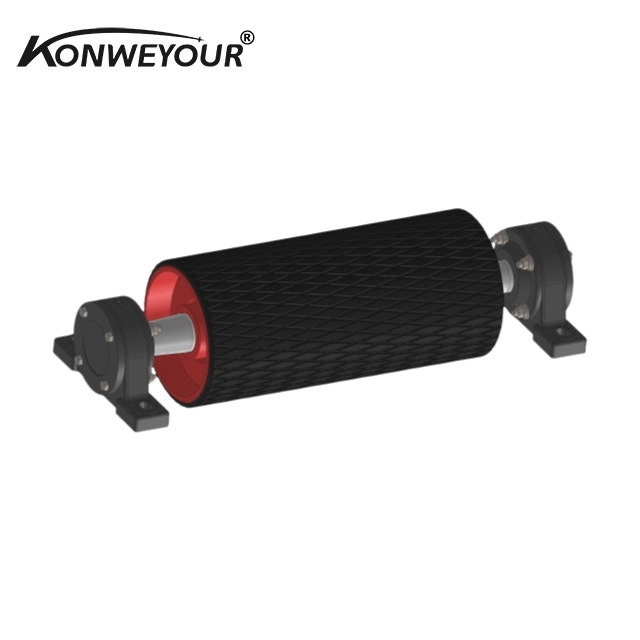
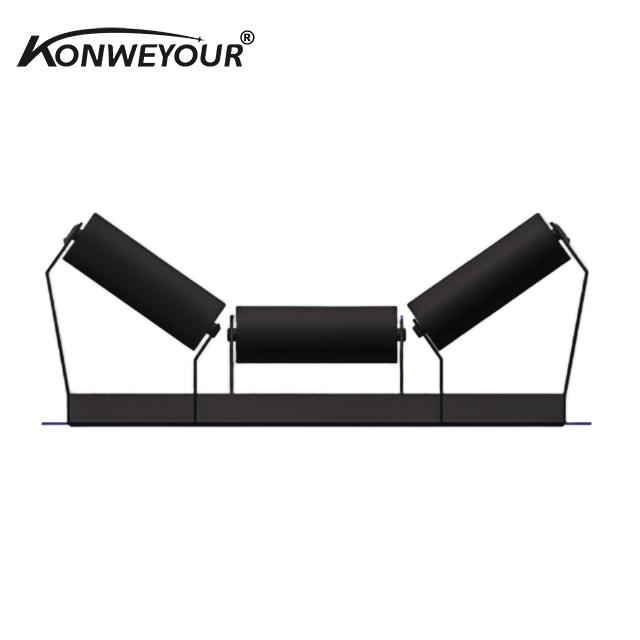
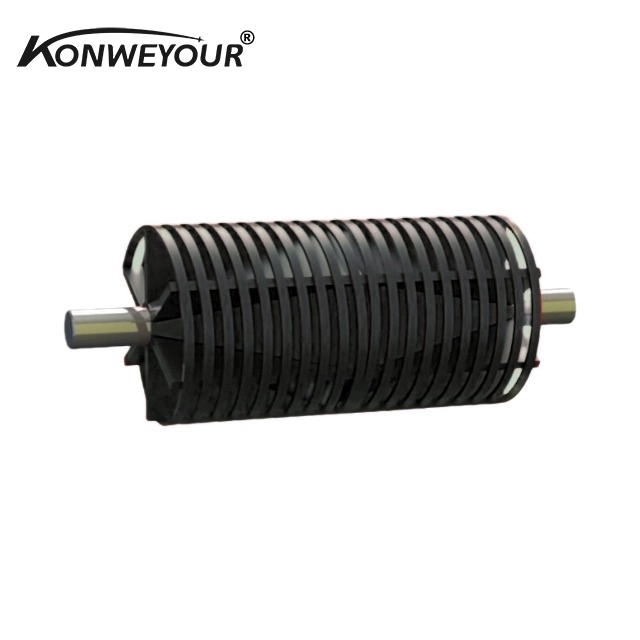
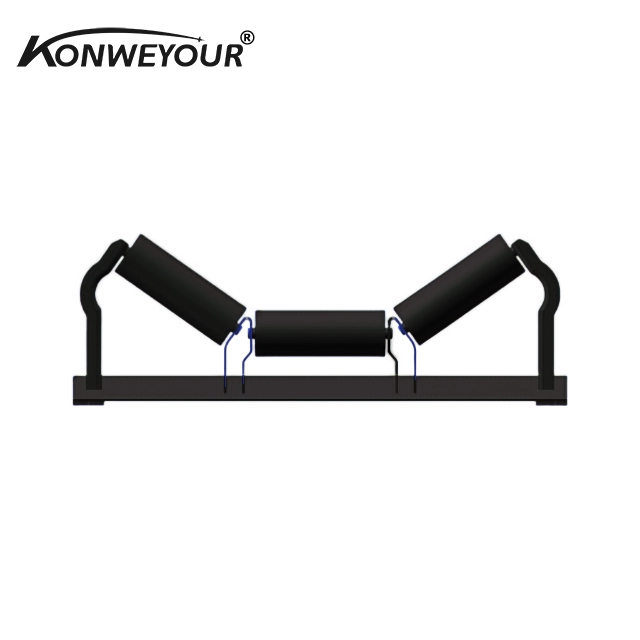
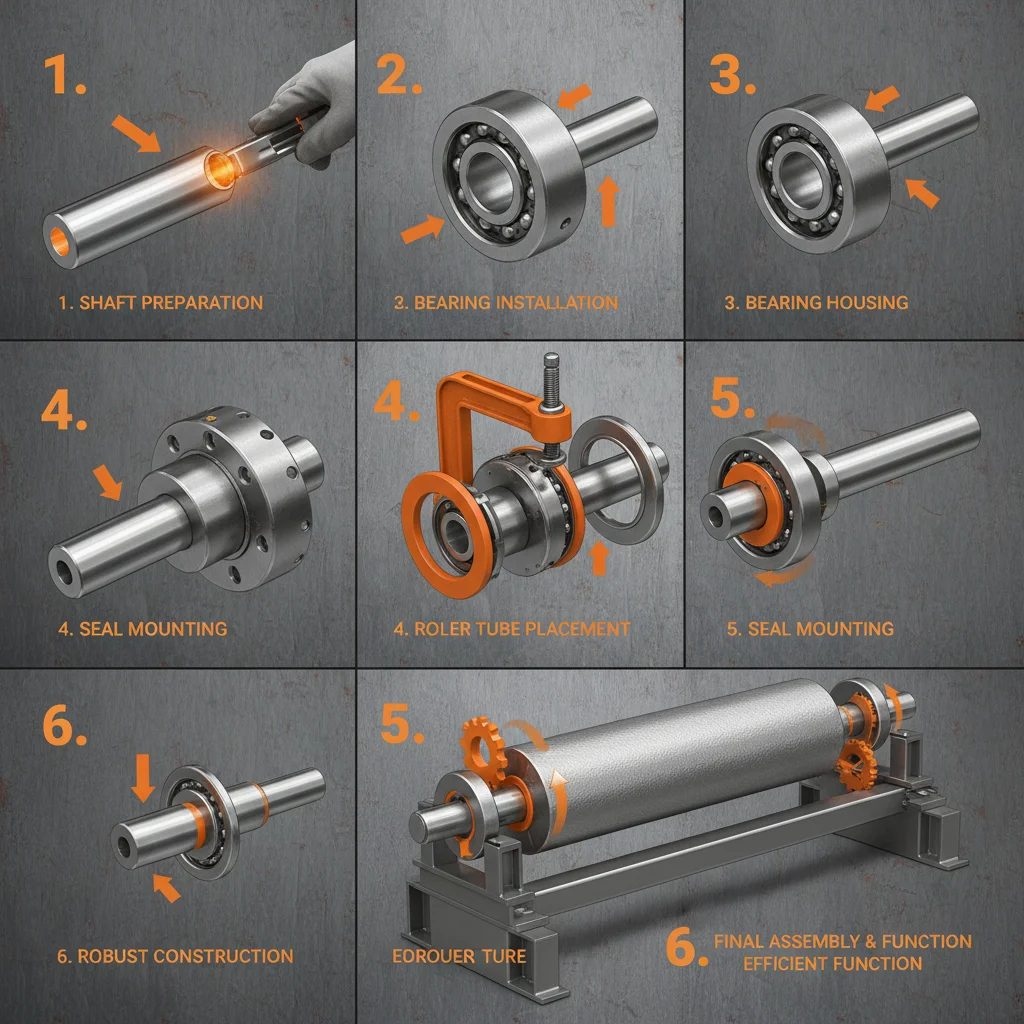
For example, one key detail I always look for is how a manufacturer handles their roller bearings and idlers. Bearings, if poorly chosen, quickly become the weak link in the chain, leading to downtime nobody wants. I remember a client whose old conveyor rollers consistently failed because the parts were made with substandard steel and poor sealing. After switching to a supplier with higher-grade cold-rolled steel rollers that featured premium seals, the difference was night and day.
Speaking of materials, the leading manufacturers tend to use high-quality steel combos designed to resist corrosion and withstand the harshest environments. It’s not just about strength; it’s about longevity. I’ve noticed that conveyor frames and rollers that undergo proper heat treatment often last twice as long. And oddly enough, while some newer companies push flashy, lightweight composites, the tried-and-true steel still tends to dominate heavy industry. It feels reassuring, you know?
Customization is another angle I don’t underestimate. Many engineers say the secret to a smooth-running line is a parts supplier willing to make minor tweaks — maybe a slightly different shaft size, or a reinforced bracket. I've found conveyor parts manufacturer specialists able to provide these modifications tend to foster long-term relationships. And those relationships pay off when you want priority turnaround or expert advice.
Here’s a quick snapshot of typical product specs from a reputable conveyor parts manufacturer I’ve worked with:
| Part |
Material |
Load Capacity |
Common Shaft Size |
Typical Lifespan |
| Idler Roller |
Cold Rolled Steel |
Up to 2000 lbs |
25mm / 1 inch |
3-5 years |
| Heavy Duty Roller |
Hi-Strength Alloy Steel |
Up to 4000 lbs |
30mm / 1.2 inch |
5-7 years |
| Sprockets |
Heat Treated Steel |
Varies by chain size |
Custom |
4-6 years |
But not every manufacturer is created equal in the market. Here’s a brief comparison based on my professional observations, factoring quality, customization, and support.
| Vendor |
Material Quality |
Customization Services |
Lead Time |
Technical Support |
| JT Conveyor |
Excellent (Premium Steel) |
Flexible, for bulk or small orders |
2-3 weeks |
Highly responsive |
| Vendor B |
Good (Standard Steel) |
Limited customization |
4-5 weeks |
Moderate |
| Vendor C |
Fair (Mixed Materials) |
Rarely customizes |
3-4 weeks |
Limited |
Honestly, picking a manufacturer isn’t just ticking boxes. You want someone who’s been in the trenches, understands the nuances — and has your back when you need that critical part fast. From my experience, conveyor parts manufacturer experts like JT Conveyor combine solid engineering with practical know-how that you feel on the factory floor. I recall a particular project where a last-minute customization saved an entire logistics shift—details matter.
In the end, whether you’re retrofitting an existing conveyor or building a new line from scratch, the right conveyor parts manufacturer makes all the difference. It’s about quality that lasts, responsive service, and partners who treat your downtime like their own problem.
So, if you’re searching for conveyor parts that you can trust, start with the companies who back their specs with experience — it’s worth the peace of mind.
Reflection: Having seen conveyor parts under all sorts of demanding conditions, I’m convinced that the best manufacturers marry careful material selection with a flexible approach to customer needs. There’s a lot to learn from the subtle details; it’s really about the kind of partnership you build over time.
References:
- Manufacturing Engineering Journal, 2023 “Advances in Conveyor Component Materials”
- Industrial Conveyor Systems Handbook, 2nd Ed., 2022
- JT Conveyor Official Website – product & customization details