Corrugated Sidewall Conveyor

Corrugated Sidewall Conveyor

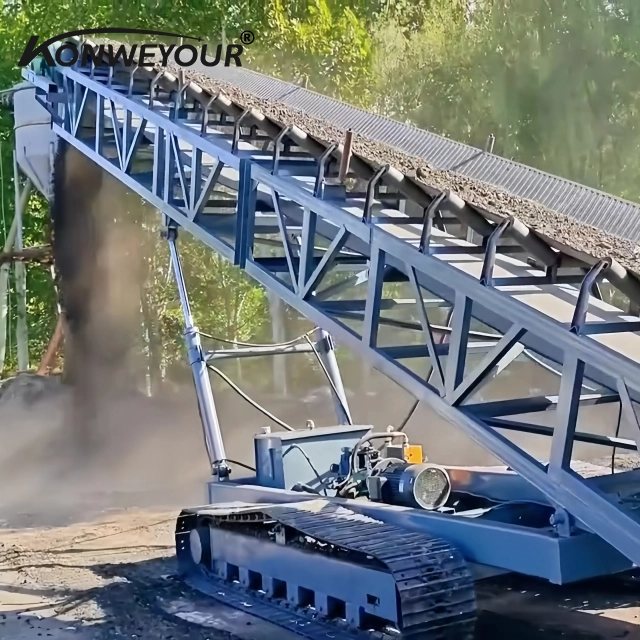
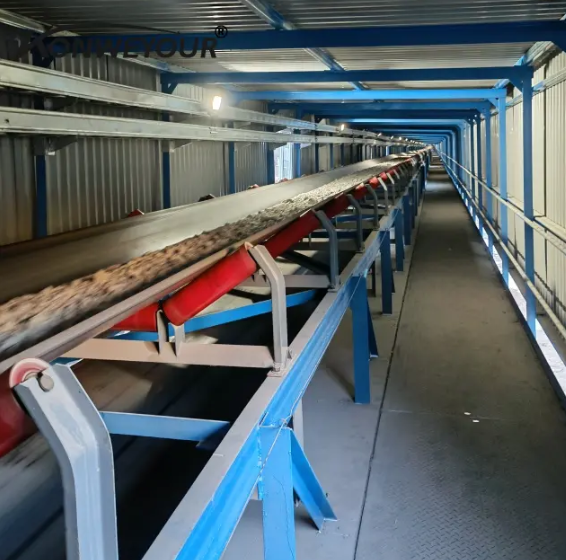
A Corrugated Sidewall Conveyor is a specialized belt conveyor system designed to transport bulk materials at steep angles, even vertically. It features a belt with corrugated rubber sidewalls and cleats, which prevent materials from slipping or falling off during inclined transport. This unique design allows for space-saving vertical or steep-incline conveying in industries such as mining, agriculture, cement, recycling, and construction.

The corrugated sidewalls are flexible yet strong, forming a continuous barrier along the sides of the belt. Cleats are securely attached between the sidewalls to support and carry materials upward, maintaining product stability and preventing rollback. The belt is made from high-strength rubber or synthetic materials, offering excellent wear resistance and durability in harsh environments.

Corrugated sidewall conveyors are ideal for conveying bulk materials like coal, sand, grain, ores, and fertilizers, especially in areas with limited horizontal space. They eliminate the need for multiple transfer points, reducing material loss, dust generation, and equipment wear.

Easy to install and maintain, this conveyor system increases efficiency, minimizes spillage, and ensures a reliable material flow in complex layouts. It is an excellent solution for operations that require high-capacity transport in compact or vertical configurations.


The Belt Model of Corrugated Sidewall Conveyor

The belt model of a corrugated sidewall conveyor is a specialized conveyor belt designed to transport bulk materials at steep inclines or vertical angles without spillage. This type of belt features corrugated sidewalls and transverse cleats, creating a trough-like structure that securely carries materials such as sand, gravel, coal, cement, or agricultural products. Its unique design makes it ideal for applications where traditional flat belts are insufficient due to steep gradients or space constraints.

The belt is typically made from durable rubber, PVC, or PU (polyurethane) materials, often reinforced with fabric or steel cords to provide high tensile strength, flexibility, and resistance to wear, tear, and impact. Transverse cleats are molded or attached at regular intervals along the belt to prevent materials from sliding back during transport. Corrugated sidewalls rise vertically from the edges, forming a channel that keeps bulk materials contained even on inclines of up to 90 degrees.

The belt model is designed to operate with sidewall idlers and pulleys that match its profile, ensuring smooth motion, proper alignment, and reduced wear. It supports continuous material flow while minimizing spillage and dust, which enhances operational efficiency and reduces cleanup costs. The reinforced carcass provides durability for heavy loads, while the choice of belt cover material allows operation in harsh environments, including high temperatures, abrasive conditions, or exposure to chemicals.

Corrugated sidewall conveyor belts are widely used in industries such as mining, cement plants, steel, and chemical processing. They are especially valuable in vertical or steep-angle conveying applications where space is limited and high capacity is required.

Overall, the belt model of a corrugated sidewall conveyor offers superior material containment, flexibility, and strength. Its design ensures safe, efficient, and continuous transport of bulk materials, making it a reliable solution for industries requiring steep-angle or vertical material handling.


Benefits of Corrugated Sidewall Belt Conveyor Design

Benefits of Corrugated Sidewall Belt Conveyor Design

The corrugated sidewall belt conveyor is a highly efficient material-handling solution, designed to transport bulk materials at steep angles or even vertically without spillage. Its innovative design combines corrugated sidewalls and transverse cleats, providing significant advantages over traditional flat belt conveyors, especially in industries such as mining, cement, steel, and agriculture.

One of the main benefits is steep-angle conveying capability. The corrugated sidewalls and cleats create a trough that securely holds materials, allowing the conveyor to operate on inclines up to 90 degrees. This feature maximizes vertical space, reduces the footprint of the conveyor system, and is ideal for plants or facilities where floor space is limited.

The design also offers high material retention and minimal spillage. Bulk materials such as sand, gravel, coal, or granules remain securely on the belt, even at high speeds or steep gradients. This reduces product loss, maintains a cleaner work environment, and lowers maintenance costs associated with spillage cleanup.

Durability and strength are key advantages. Corrugated sidewall belts are typically made of reinforced rubber, PU, or PVC with fabric or steel cords, providing high tensile strength, abrasion resistance, and impact resistance. This ensures long service life, even under heavy loads or abrasive conditions.

Another benefit is flexibility in layout design. The conveyor can transport materials vertically, horizontally, or along curves, making it highly adaptable to complex plant layouts. Additionally, the reinforced belt and matched sidewall pulleys and idlers reduce wear and maintenance, ensuring consistent, reliable operation.

Overall, the corrugated sidewall belt conveyor design delivers efficient, safe, and versatile material handling. Its combination of steep-angle capability, superior material retention, durability, and adaptability makes it an ideal choice for industries requiring high-capacity bulk material transport with minimal spillage and optimal space utilization.


Benefits of Corrugated Sidewall Belt Conveyor Design

SUBSCRIBE NEWSLETTER

Efficient Conveying Equipment, Get Customized Solutions Immediately

If you are interested in our products, you can choose to leave your information here, and we will be in touch with you shortly.

  • captcha