A tubular conveyor and a screw conveyor are both popular systems for moving bulk materials, but their designs and operating principles differ significantly, making each suitable for specific applications.
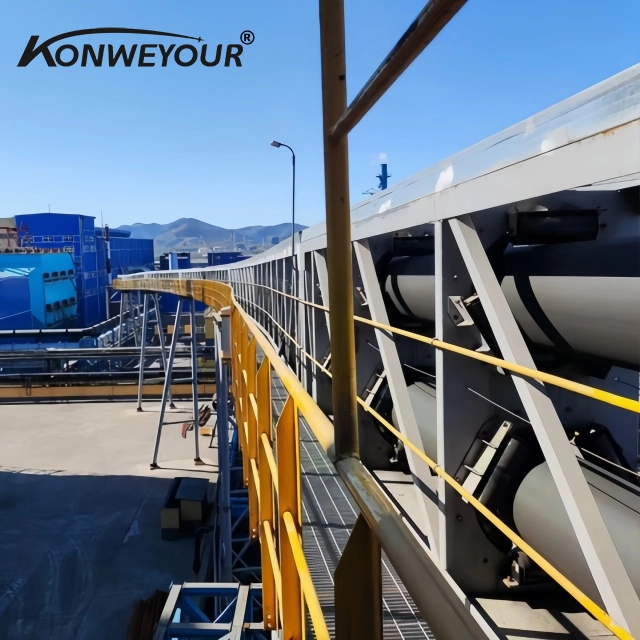
A tubular conveyor—often called a tubular drag or tubular chain conveyor—uses a continuous chain or cable with evenly spaced discs that move inside an enclosed round tube. As the discs glide through the tube, they gently pull material along the conveying path. This design allows for flexible routing with horizontal, vertical, and inclined sections in a single run. Because the material moves slowly in a sealed environment, tubular conveyors minimize product degradation, prevent dust emissions, and reduce contamination. They are ideal for handling fragile or food-grade materials such as coffee beans, cereals, powdered chemicals, or specialty grains.
In contrast, a screw conveyor features a rotating helical screw blade (auger) housed in a trough or tube. As the screw rotates, it pushes material forward along the conveyor’s length. Screw conveyors are well-suited for semi-solid or granular materials like cement, grain, or wastewater sludge. They are robust, cost-effective, and capable of handling abrasive or high-temperature products. However, their mechanical action can generate friction and shear, which may damage delicate materials and create dust.
Key differences include material handling method, energy efficiency, and maintenance needs. Tubular conveyors operate at low speed, preserving product integrity and consuming less power, while screw conveyors move material faster but may require more frequent wear-part replacement.
In summary, choose a tubular conveyor for gentle, enclosed, and flexible conveying of sensitive or food-grade products, and a screw conveyor for heavy-duty, high-volume transport of bulk solids where some product degradation is acceptable. Both systems excel when matched to the right material and process requirements.