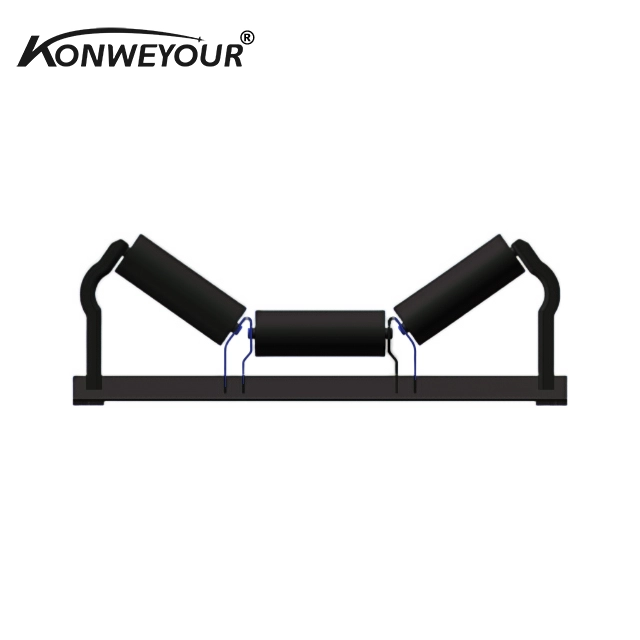
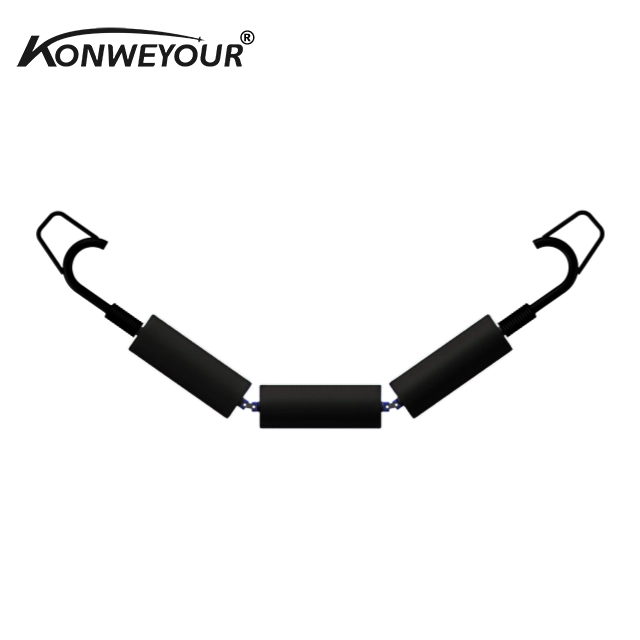
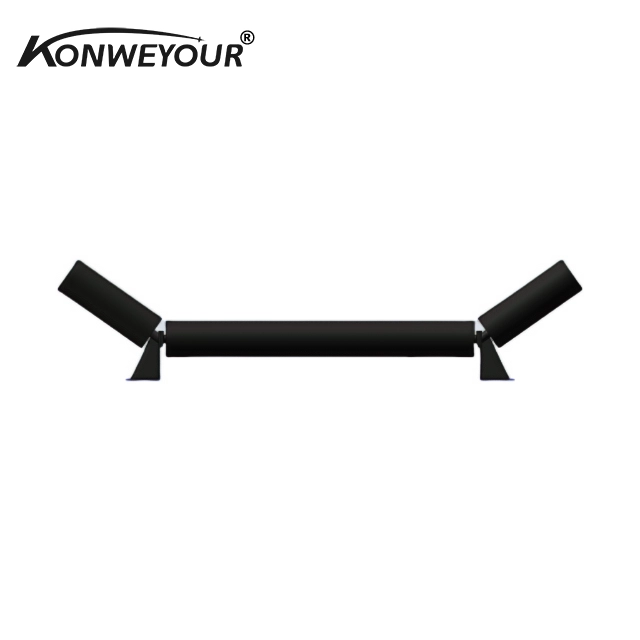
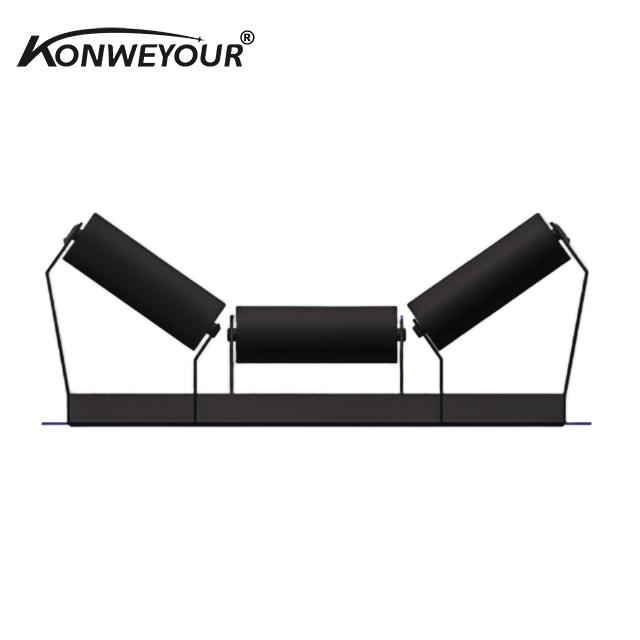
Conveyor rollers are key components in belt and roller conveyor systems, providing smooth and efficient transport of materials across industrial operations. They support the belt or load, reduce friction, and maintain alignment, making them essential for industries such as manufacturing, logistics, mining, and food processing. Various types of rollers are designed to meet specific applications, load capacities, and environmental conditions.
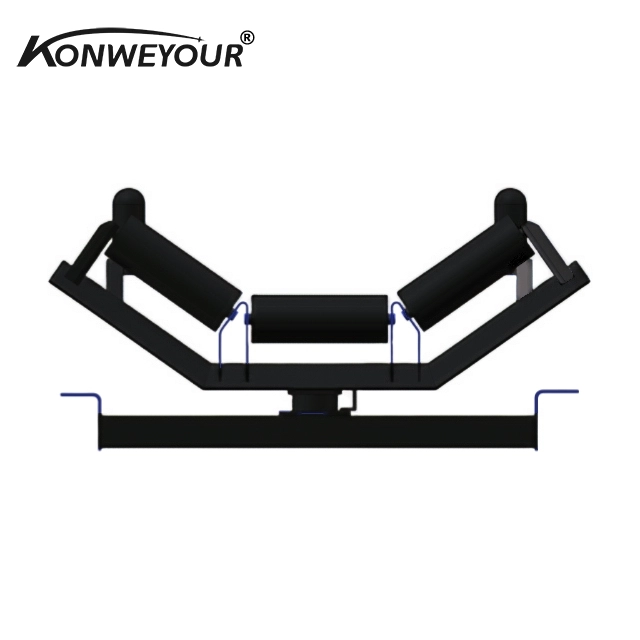
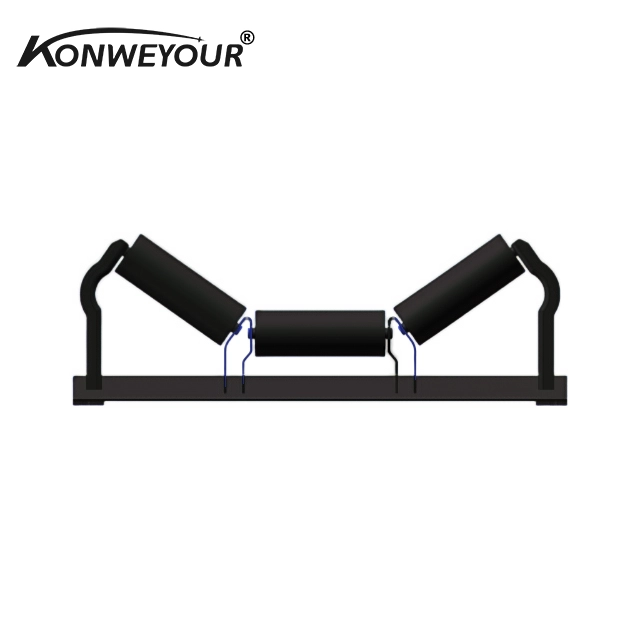
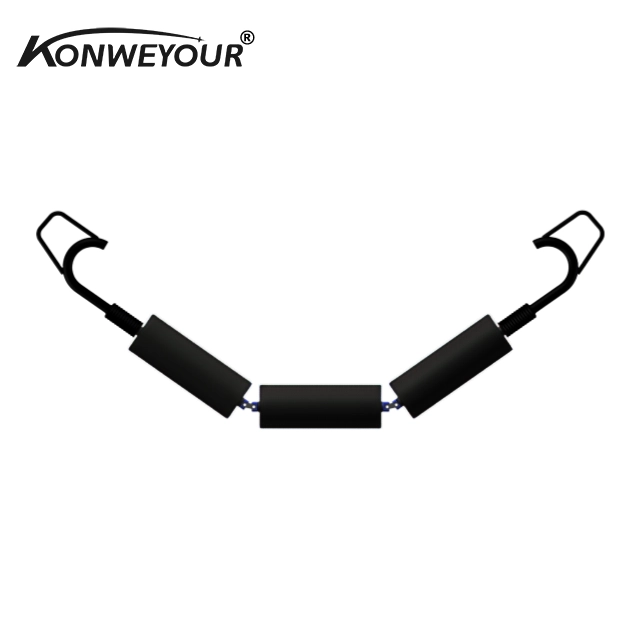
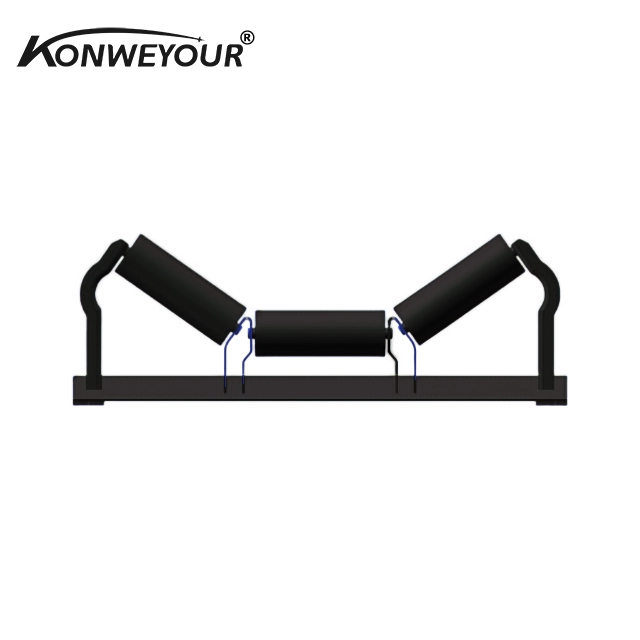
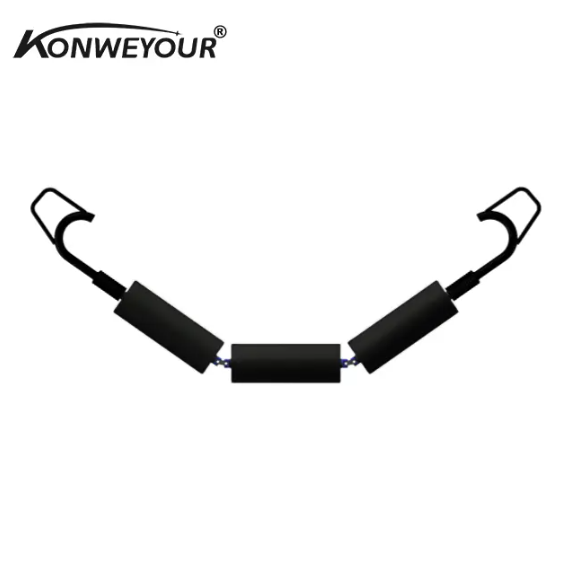
The most common type is the troughing roller, used in bulk material conveyors. These rollers are typically arranged in sets of three—one bottom roller and two angled side rollers—to form a V-shaped trough. This design keeps bulk materials, such as coal, gravel, or grain, centered on the belt and prevents spillage during transport.
Return rollers support the empty belt on its return path and are usually single, straight rollers. They help maintain belt alignment, reduce sagging, and ensure smooth motion back to the loading point.
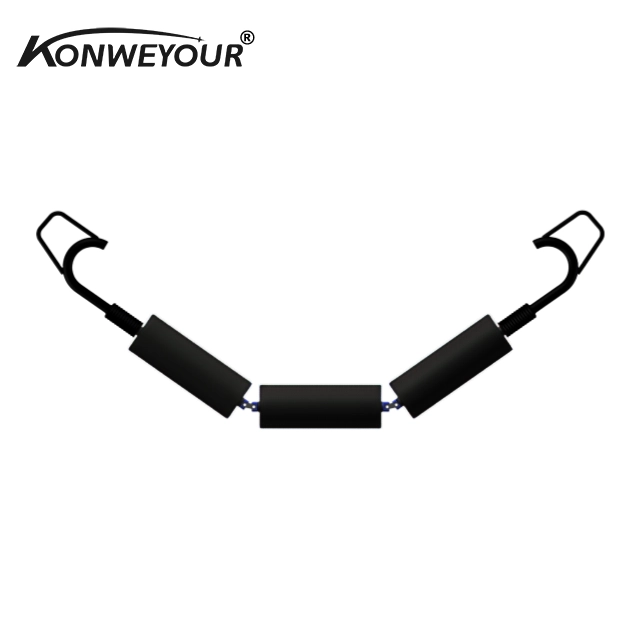
For areas where materials are loaded onto the conveyor, impact rollers are used to absorb shocks and protect the belt from damage. They feature heavy-duty frames, cushioned rollers, and sometimes rubber covers to minimize wear and reduce maintenance costs.
Self-aligning or step rollers assist in correcting minor belt misalignment. These rollers feature floating or pivoting mechanisms that automatically adjust the belt’s position, reducing edge wear and preventing material spillage.
Pipe or steel rollers are cylindrical and suitable for heavy-duty applications or long-distance conveyors, offering high load-bearing capacity and durability. Stainless steel or plastic rollers are often chosen for hygienic environments such as food processing or pharmaceuticals, where corrosion resistance and cleanliness are critical.
Selecting the right combination of conveyor rollers—troughing, return, impact, and self-aligning—ensures efficient operation, minimizes downtime, and extends belt life. Proper roller design and spacing enhance system performance, reduce energy consumption, and provide reliable material handling across diverse industrial applications.