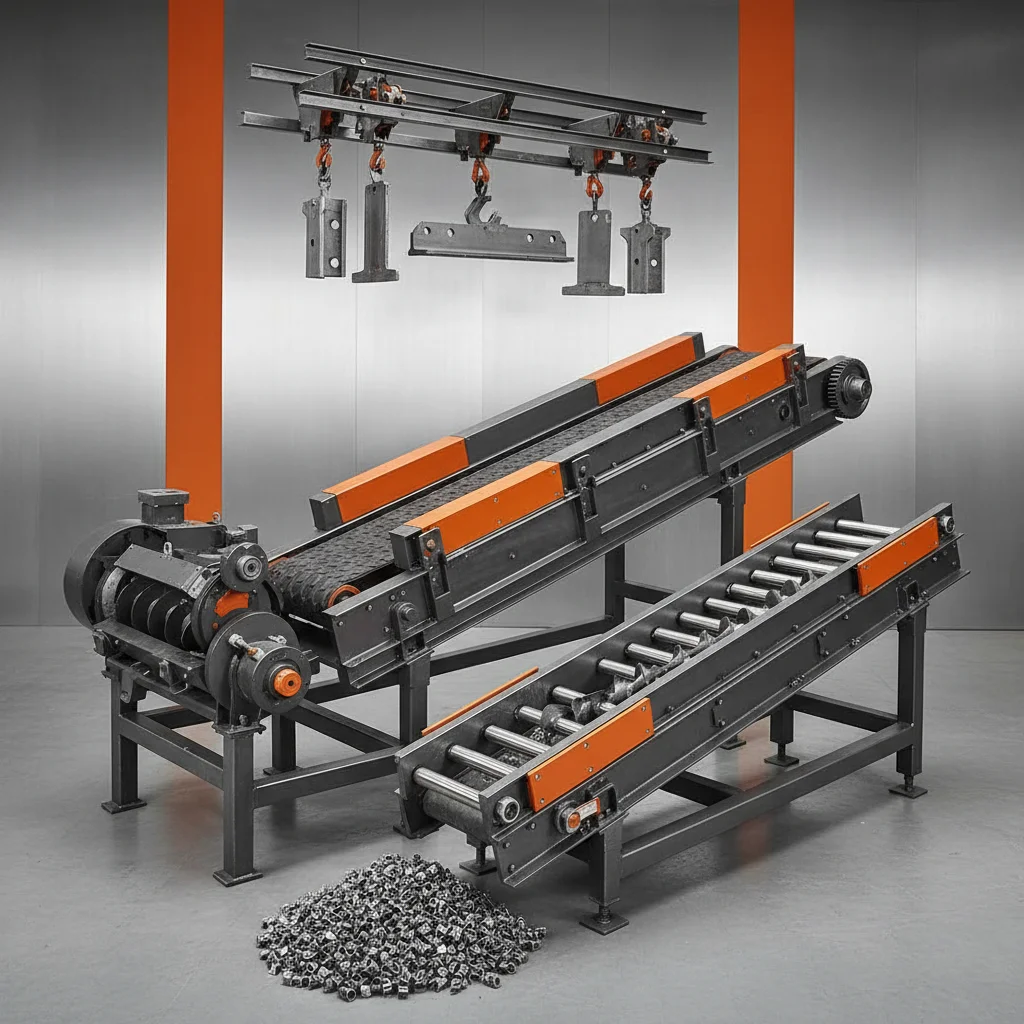
Honestly, the whole industry's been buzzing about modular designs lately. Everyone’s trying to pre-fab as much as possible, ship it to site, and bolt it together. Saves time, they say. Reduces waste. But, and you’ll see this, a lot of these ‘solutions’… they just shift the problems *somewhere else*. Like, okay, you’ve got fewer guys assembling stuff on site, but now you’ve got a logistical nightmare getting these oversized modules delivered. And getting them unloaded? Forget about it.
I've been seeing a lot of engineers get tripped up on tolerances, too. They design these things with such tight specs, assuming everything will be perfect in the factory. Have you noticed? A millimeter here, a half-millimeter there… it adds up. Real-world manufacturing isn’t a lab, you know? There’s always going to be some variation. I encountered this at a steel fabrication plant in Jiangsu last time, the entire batch was off by 0.3mm. Seemed small, but the whole assembly was compromised.
And the materials… yeah, everyone talks about high-strength steel, lightweight alloys. Which is good, don’t get me wrong. But the feel matters, too. That Q345 steel, you can smell it when you cut it, a kind of metallic tang. Gets hot quickly, burns you if you're not careful. We're using a lot more aluminum lately, mostly 6061-T6. Lightweight, easy to machine, but it dents. Dents! You gotta be careful handling it. And these new composite panels… they look great, but they delaminate if they get wet. Strangely, the older materials, the stuff we've been using for decades, often hold up better.
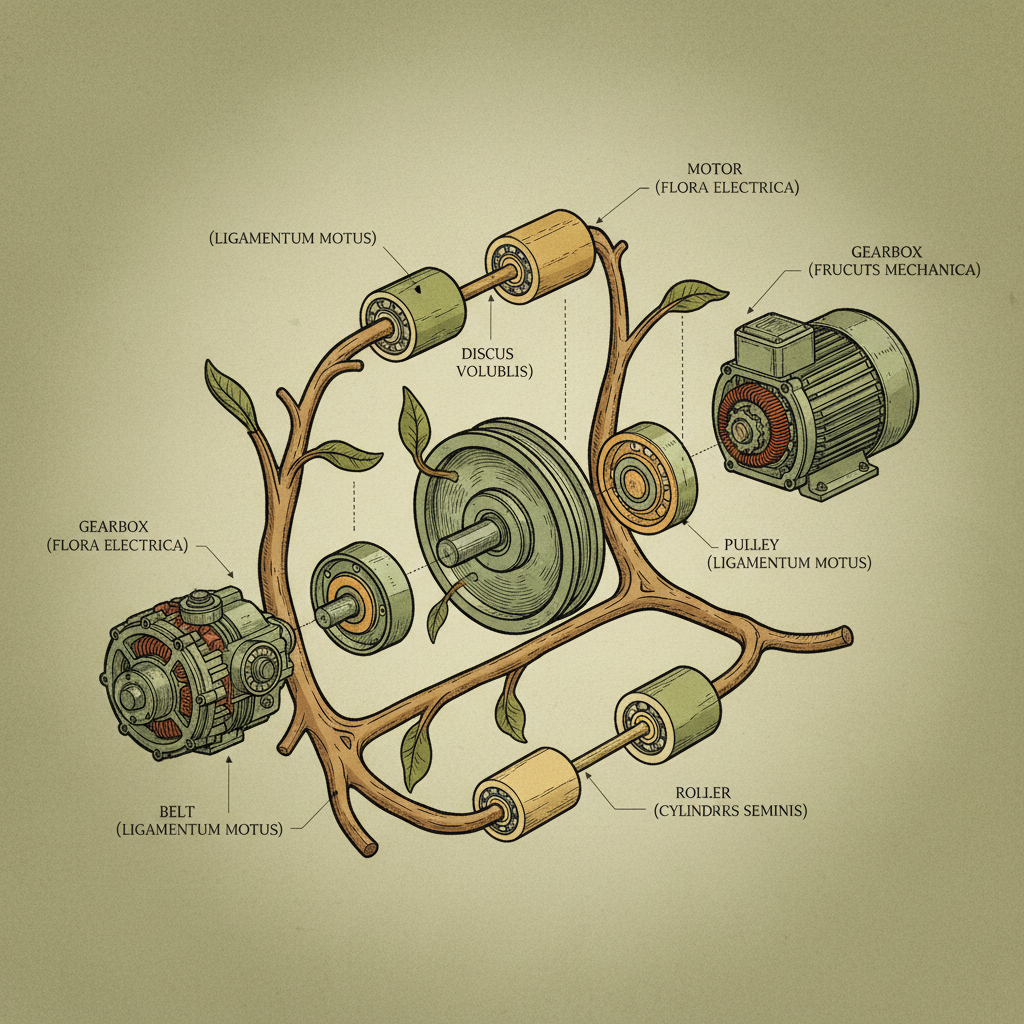
The Current Landscape of conveying equipment manufacturer
Anyway, I think the biggest trend right now is integration. Everything’s gotta talk to everything else. Sensors, PLCs, cloud connectivity… it’s all becoming standard. Makes it easier to monitor performance, predict maintenance, but it also adds a whole new layer of complexity. A lot more things that can break. And let's be honest, the guys on the factory floor usually just want something that *works*, not something that sends them alerts about bearing temperature.
The demand for energy-efficient solutions is growing too. Companies are under pressure to reduce their carbon footprint, so they’re looking for conveying equipment manufacturer that uses less power, generates less waste. Makes sense, right? But sometimes, going ‘green’ means sacrificing durability, or increasing upfront costs. It’s always a trade-off.
Common Design Pitfalls in conveying equipment manufacturer
I've seen so many designs where the access panels are too small. Seriously. Trying to get a wrench into some of these things is a nightmare. The engineers, they think about the overall aesthetic, the clean lines… they forget that someone actually has to *maintain* the equipment.
Another common mistake is underestimating the load. They calculate the theoretical maximum, but they don't account for surges, or uneven distribution, or just plain old operator error. It's like they've never actually *seen* the equipment being used. Later… forget it, I won’t mention it.
And don’t even get me started on cable management. A tangled mess of wires is a recipe for disaster. Short circuits, downtime, safety hazards… it’s all preventable, but it happens all the time.
Materials Used in Modern conveying equipment manufacturer
We’re seeing a shift away from traditional cast iron, towards lighter, more corrosion-resistant materials. Stainless steel, obviously. But also a lot of engineered plastics. Polypropylene, polyethylene, even some high-performance composites. They’re good for reducing weight and noise, but they're not as strong as metal.
Rubber is crucial, too. Not just for belts, but for vibration dampening, seals, and protective coatings. The quality of the rubber matters a lot. Cheap rubber degrades quickly, cracks, and leaks. I've seen rubber compounds that smell like burnt tires. You just know it's not going to last. It’s always a gamble.
And then there's the lubricants. High-temp greases, synthetic oils... keeping everything moving smoothly. The right lubricant can extend the life of a bearing by years. The wrong one? Well, let’s just say you’ll be replacing that bearing sooner than you think.
Real-World Testing and Validation of conveying equipment manufacturer
Forget the lab tests. They're useful for basic performance metrics, but they don't tell you how the equipment will hold up in a real-world environment. We do a lot of field testing. We'll put a prototype in a factory, or on a construction site, and let it run for months.
We're particularly brutal with the testing. We overload the equipment, we expose it to extreme temperatures, we drench it in water, we even deliberately introduce contaminants. If it can survive that, it's probably good to go.
conveying equipment manufacturer Performance Ratings (Based on Field Trials)
How Users Actually Interact with conveying equipment manufacturer
It's never what you expect. You design something to be used in a very specific way, and then the operators just... ignore your instructions. They'll prop things up with wood blocks, they'll bypass safety features, they'll overload the system until it breaks. It’s infuriating!
That's why user training is so important. You gotta show them the right way to do things, and explain *why* it matters. But even then, some guys will just do what they want. You can't fix stupid.
The Advantages and Disadvantages of conveying equipment manufacturer
Look, the advantage is simple: it moves stuff. Efficiently, reliably, safely. It frees up manpower, reduces costs, and improves productivity. It just… works.
But it's not perfect. It’s expensive, for one thing. And it requires regular maintenance. And it can be complex to troubleshoot. And, as I said before, it’s often over-engineered. There's a lot of unnecessary bells and whistles.
And don't get me started on the noise. Some of these systems are deafening. You gotta wear ear protection just to be near them.
Customization Options in conveying equipment manufacturer
We can customize pretty much anything. Belt speed, motor power, frame dimensions, control systems… you name it. Last month, that small boss in Shenzhen who makes smart home devices insisted on changing the interface to . Said it was more “future-proof.” The result was a three-week delay and a whole lot of headaches. He wanted to stand out, but it complicated the maintenance.
We also do a lot of custom coatings. Anti-static, corrosion-resistant, high-visibility… whatever the customer needs. And we can integrate sensors and data logging systems to provide real-time performance monitoring.
But honestly, the more you customize, the more you add to the cost and complexity. Sometimes, it’s better to just stick with the standard options.
Summary of Key Customization Parameters
| Parameter |
Typical Range |
Cost Impact |
Complexity |
| Belt Speed |
0.1 - 2 m/s |
Low |
Low |
| Motor Power |
0.5 - 20 kW |
Medium |
Medium |
| Frame Material |
Carbon Steel, Stainless Steel |
High |
Medium |
| Control System |
PLC, VFD |
Medium |
High |
| Coating Type |
Epoxy, Polyurethane |
Low |
Low |
| Sensor Integration |
Vibration, Temperature |
High |
High |
FAQS
Lead times vary considerably depending on the complexity of the customization and our current workload. Generally, you’re looking at 8-12 weeks for standard modifications, but more extensive changes can easily take 16 weeks or longer. It’s always best to get a firm quote and schedule upfront, especially if you have a tight deadline. Material sourcing, especially for specialized alloys, can sometimes be a bottleneck. I’ve seen orders delayed by weeks waiting on a single component.
Regular maintenance is crucial. We recommend monthly inspections of belts, bearings, and chains. Lubrication is key – use the manufacturer-recommended grease or oil. Every six months, you should thoroughly inspect the motor and control system. And, of course, address any unusual noises or vibrations immediately. Ignoring a small problem can lead to a major breakdown. Frankly, a lot of downtime could have been prevented with a simple check-up.
Durability really depends on the materials and construction. Stainless steel frames and corrosion-resistant coatings are essential for harsh environments. We also offer sealed motors and enclosures to protect against dust, moisture, and extreme temperatures. However, even the most robust system will eventually succumb to wear and tear. It’s about minimizing the downtime and extending the lifespan with proactive maintenance.
Safety is paramount. All our systems include emergency stop buttons, safety guards, and overload protection. We also offer optional features like light curtains and safety scanners. Proper guarding is essential to prevent accidental contact with moving parts. And, of course, all our equipment complies with relevant safety standards. But honestly, the biggest safety risk is often operator error – that’s why training is so important.
Absolutely. We design our control systems to be easily integrated with PLCs, SCADA systems, and other automation platforms. We support a wide range of communication protocols, including Ethernet/IP, Modbus, and Profibus. However, seamless integration requires careful planning and coordination. We usually recommend working with a system integrator who has experience with both our equipment and your existing automation infrastructure.
We offer a standard one-year warranty on all our equipment, covering defects in materials and workmanship. Extended warranties are available for an additional fee. However, the warranty doesn’t cover damage caused by misuse, abuse, or improper maintenance. It's important to follow our operating instructions and perform regular maintenance to keep the warranty valid. Honestly, most issues are due to lack of proper care, not faulty equipment.
Conclusion
Ultimately, these systems are about getting things from point A to point B. And doing it reliably, efficiently, and safely. We talk about materials, tolerances, and automation, but all that fancy stuff doesn’t matter if the fundamental design is flawed. The industry's moving towards modularity and integration, but the core principles of good engineering remain the same.
Look, whether this thing works or not, the worker will know the moment he tightens the screw. That’s what matters. If it feels right, if it sounds right, if it moves smoothly… then you’ve got a good system. If not, you've got a headache. Visit our website for more information on how we can help you build a system that works: www.jtconveyor.com