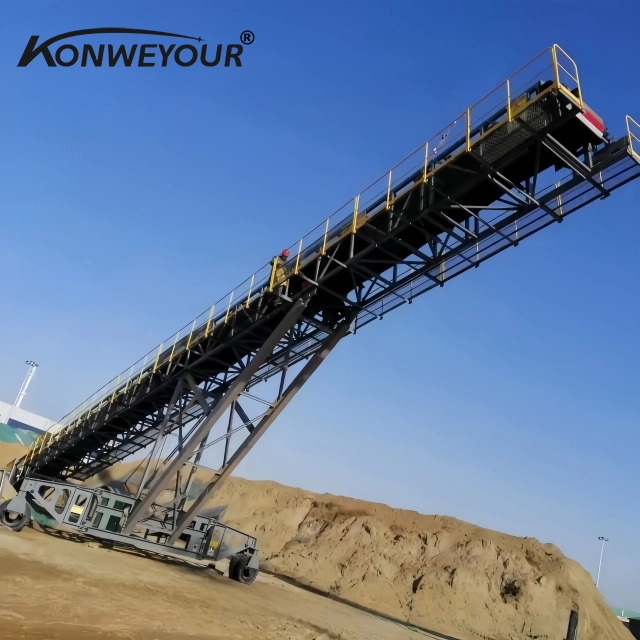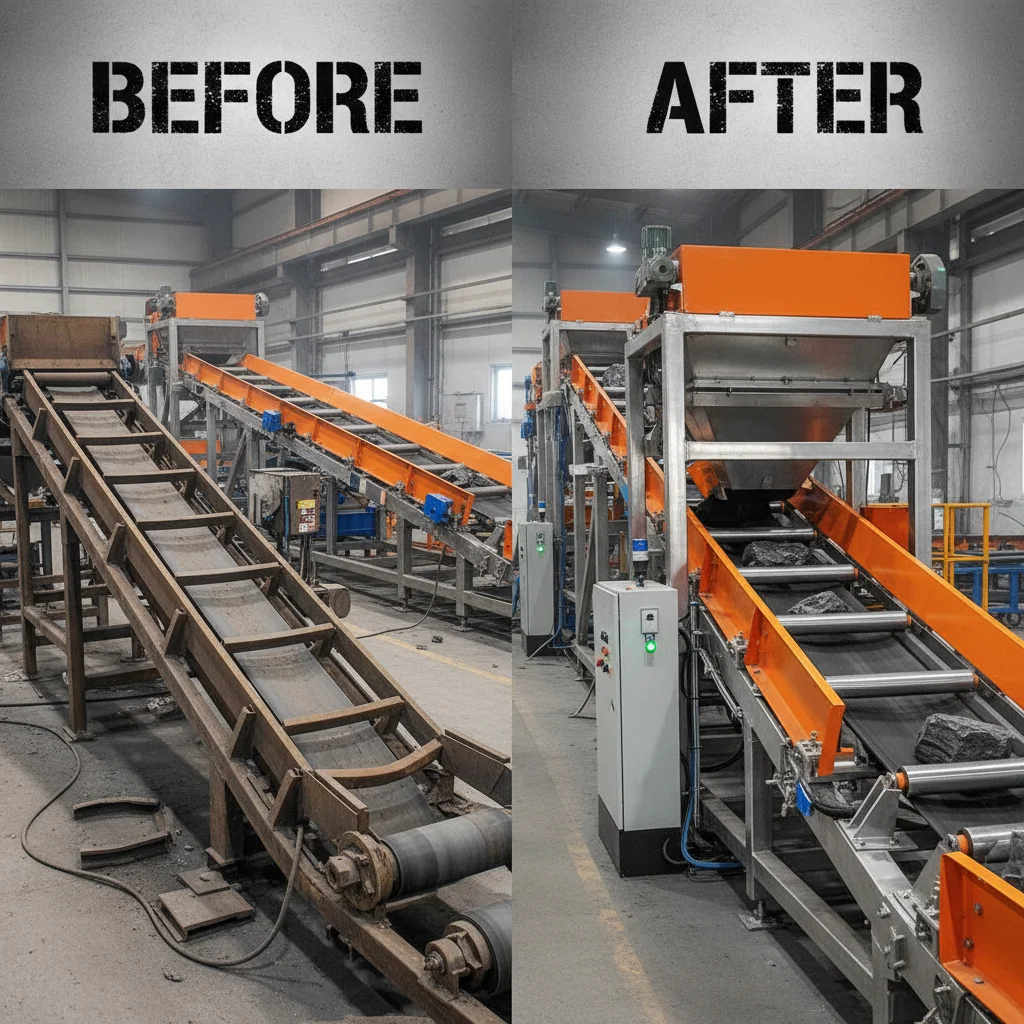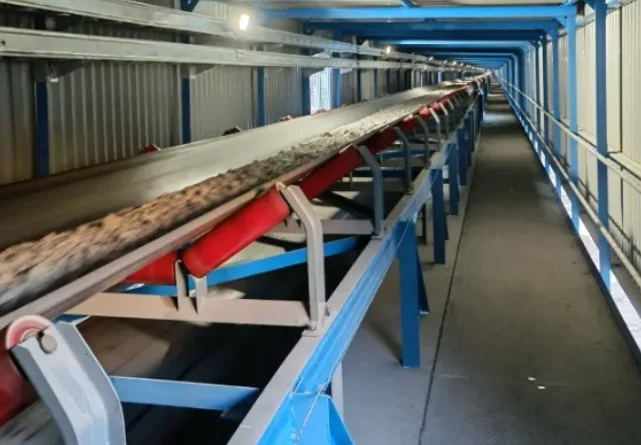
Belt conveyors are essential components of modern material handling systems, playing a critical role in industries ranging from mining and agriculture to manufacturing and logistics. These systems efficiently transport bulk materials – think coal, grain, packages, and everything in between – over varying distances and terrains. Their widespread adoption is a testament to their reliability, scalability, and relatively low operational costs. Understanding the intricacies of belt conveyors is paramount for optimizing industrial processes and ensuring smooth supply chains. Globally, the demand for efficient material handling is consistently increasing, driven by population growth, urbanization, and expanding industrial production. According to the UN, global trade volume continues to rise, necessitating robust infrastructure for the movement of goods. The World Bank highlights the importance of efficient logistics in reducing poverty and fostering economic development. Belt conveyor technology directly addresses these challenges by providing a cost-effective and reliable solution for transporting essential materials. The core challenge lies in balancing cost efficiency with increasing demands for throughput, durability, and environmental sustainability.
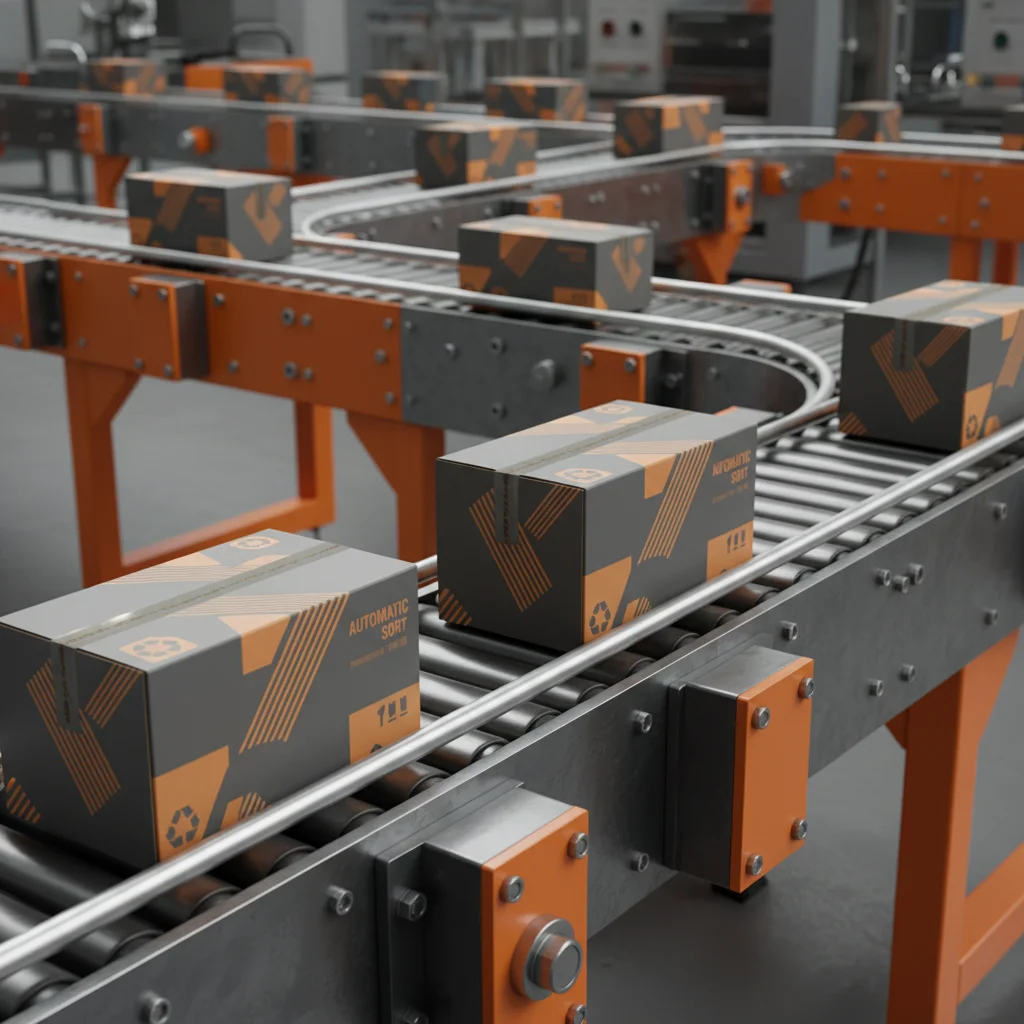
We deliver cutting-edge conveyor belt automation solutions designed to optimize efficiency, enhance reliability, and drive profitability for your manufacturing operations. As a leading provider of conveyor belt automation systems, we've established a reputation for innovation and reliability. We are consistently ranked among the top suppliers in the industry, delivering solutions that meet the most demanding requirements of modern manufacturing. Our commitment to quality and customer satisfaction sets us apart. Our technical expertise centers around advanced control systems, integrated sensors, and predictive maintenance capabilities. Utilizing PLC programming, HMI interfaces, and IIoT connectivity, we enable real-time monitoring and optimization of conveyor operations. This translates to significant cost savings and improved productivity for our clients.
Honestly, the whole industry's been buzzing about modular designs lately. Everyone’s trying to pre-fab as much as possible, ship it to site, and bolt it together. Saves time, they say. Reduces waste. But, and you’ll see this, a lot of these ‘solutions’… they just shift the problems *somewhere else*. Like, okay, you’ve got fewer guys assembling stuff on site, but now you’ve got a logistical nightmare getting these oversized modules delivered. And getting them unloaded? Forget about it.
I've been seeing a lot of engineers get tripped up on tolerances, too. They design these things with such tight specs, assuming everything will be perfect in the factory. Have you noticed? A millimeter here, a half-millimeter there… it adds up. Real-world manufacturing isn’t a lab, you know? There’s always going to be some variation. I encountered this at a steel fabrication plant in Jiangsu last time, the entire batch was off by 0.3mm. Seemed small, but the whole assembly was compromised.
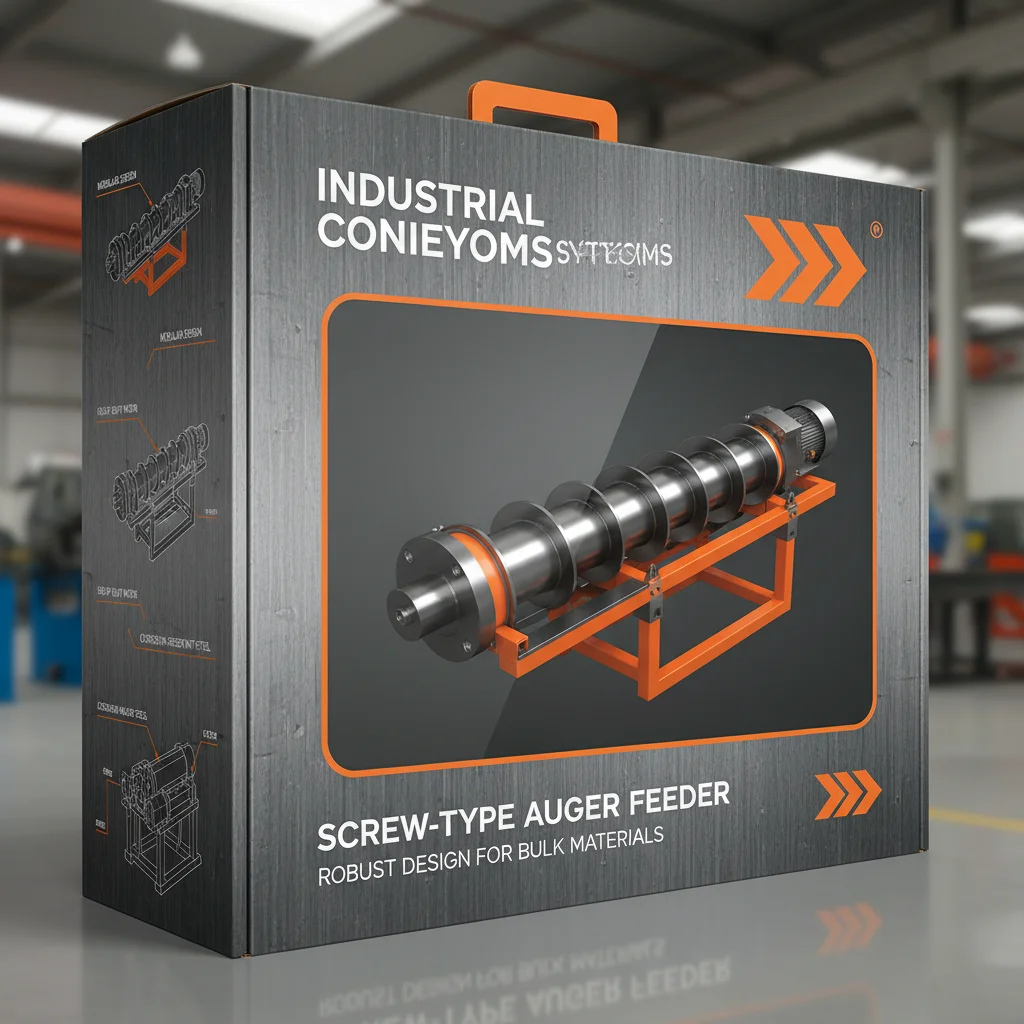
In the demanding landscape of modern industrial material handling, the screw type conveyor system stands as a cornerstone for the efficient movement of bulk solids. From pharmaceutical powders to heavy mining aggregates, these systems provide a sealed, controlled, and reliable method of transport that minimizes waste and maximizes throughput. Understanding the nuances of screw conveyance is essential for any facility looking to optimize its production line and reduce operational downtime.