Conveyor belt equipment forms the backbone of modern material handling systems, streamlining processes across countless industries. From manufacturing and logistics to agriculture and mining, these systems efficiently transport goods, reducing labor costs and increasing throughput. Understanding the nuances of conveyor belt equipment is crucial for businesses seeking to optimize their operations and maintain a competitive edge in today's fast-paced global market.
The global conveyor belt market is experiencing significant growth, driven by factors such as increasing automation, rising e-commerce demands, and infrastructure development in emerging economies. According to recent reports, the market is projected to reach billions of dollars in the coming years. This expansion highlights the essential role of conveyor systems in supporting global trade and economic activity. Addressing challenges like energy efficiency and material sustainability are key areas of focus.
Investing in robust and well-maintained conveyor systems isn't simply about moving materials; it’s about enhancing productivity, improving safety, and building resilient supply chains. Effective implementation of conveyor belt equipment directly contributes to a company’s bottom line and its ability to meet evolving customer needs, solidifying its position within its respective industry.
Introduction to conveyor belt equipment
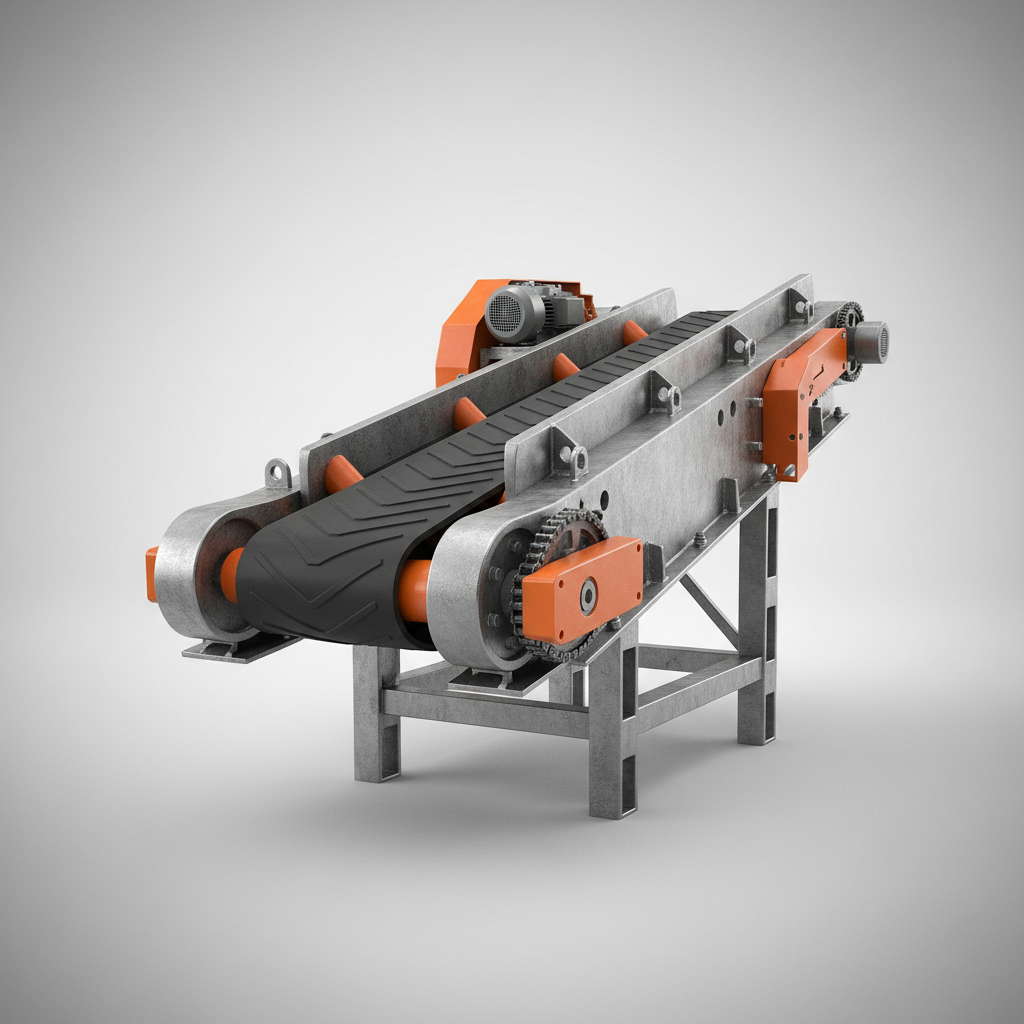
Conveyor belt equipment encompasses a diverse range of systems designed for automated material transport. These systems utilize continuous belts to move items horizontally, vertically, or at an incline, significantly reducing manual handling and improving efficiency. The selection of the correct conveyor belt equipment is crucial for optimizing workflow and minimizing operational bottlenecks.
From simple flat belt conveyors to complex modular designs, the functionality of these systems can be customized to suit a wide array of applications. Choosing the right belt material, drive system, and frame construction is vital for ensuring longevity, reliability, and optimal performance in specific environments and with particular types of materials.
Defining conveyor belt equipment
At its core, conveyor belt equipment is a mechanical system that uses a continuous moving belt to transport materials from one location to another. This can include anything from small packages and raw materials to bulk commodities and finished goods. The systems are engineered to handle varying loads, speeds, and environmental conditions, providing a versatile solution for numerous industrial processes.
These systems are intrinsically linked to the efficiency of modern industry and even play a role in humanitarian efforts. In manufacturing, they facilitate assembly line operations; in logistics, they expedite order fulfillment; and in disaster relief, they assist in distributing aid to affected populations. Conveyor belt equipment forms a critical component of modern supply chains and logistical networks.
The sophistication of these systems ranges from basic manual setups to fully automated, computer-controlled operations. Modern conveyors frequently integrate sensors, programmable logic controllers (PLCs), and data analytics to optimize performance, predict maintenance needs, and enhance overall system reliability.
Key Factors of conveyor belt equipment
Durability is paramount. Industrial environments often subject conveyor belts to abrasive materials, extreme temperatures, and heavy loads. High-quality belts and robust frame construction are essential for minimizing downtime and maximizing lifespan. Selecting the appropriate material, such as rubber, PVC, or steel, directly impacts the longevity of the system.
Scalability is another key aspect. Businesses often experience fluctuating demands, necessitating a conveyor system that can be easily adapted or expanded. Modular conveyor systems offer exceptional scalability, allowing for the addition of sections or modifications to existing layouts without significant disruption.
Cost Efficiency doesn't just relate to the initial purchase price. Factors like energy consumption, maintenance requirements, and operational lifespan contribute to the total cost of ownership. Investing in energy-efficient motors and choosing low-maintenance components can yield substantial savings over time.
Safety is a non-negotiable consideration. Guarding, emergency stop mechanisms, and proper belt alignment are crucial for preventing accidents and protecting personnel. Regular inspections and adherence to safety standards are essential for maintaining a safe working environment.
Applications of conveyor belt equipment
The applications of conveyor belt equipment are incredibly diverse. In the manufacturing sector, they are used extensively in assembly lines, packaging processes, and quality control checks. Logistics and warehousing rely on conveyors to sort, transport, and distribute goods efficiently.
The mining industry employs heavy-duty conveyor systems to move vast quantities of ore and minerals. In agriculture, conveyors are used for handling crops, fertilizers, and animal feed. Even in airport baggage handling, conveyor belt equipment plays a vital role in ensuring timely and accurate baggage delivery.
In remote industrial zones lacking skilled labor, automated conveyor systems provide a reliable and efficient means of material handling. Furthermore, in post-disaster relief operations, portable conveyor systems are invaluable for quickly distributing essential supplies to affected communities.
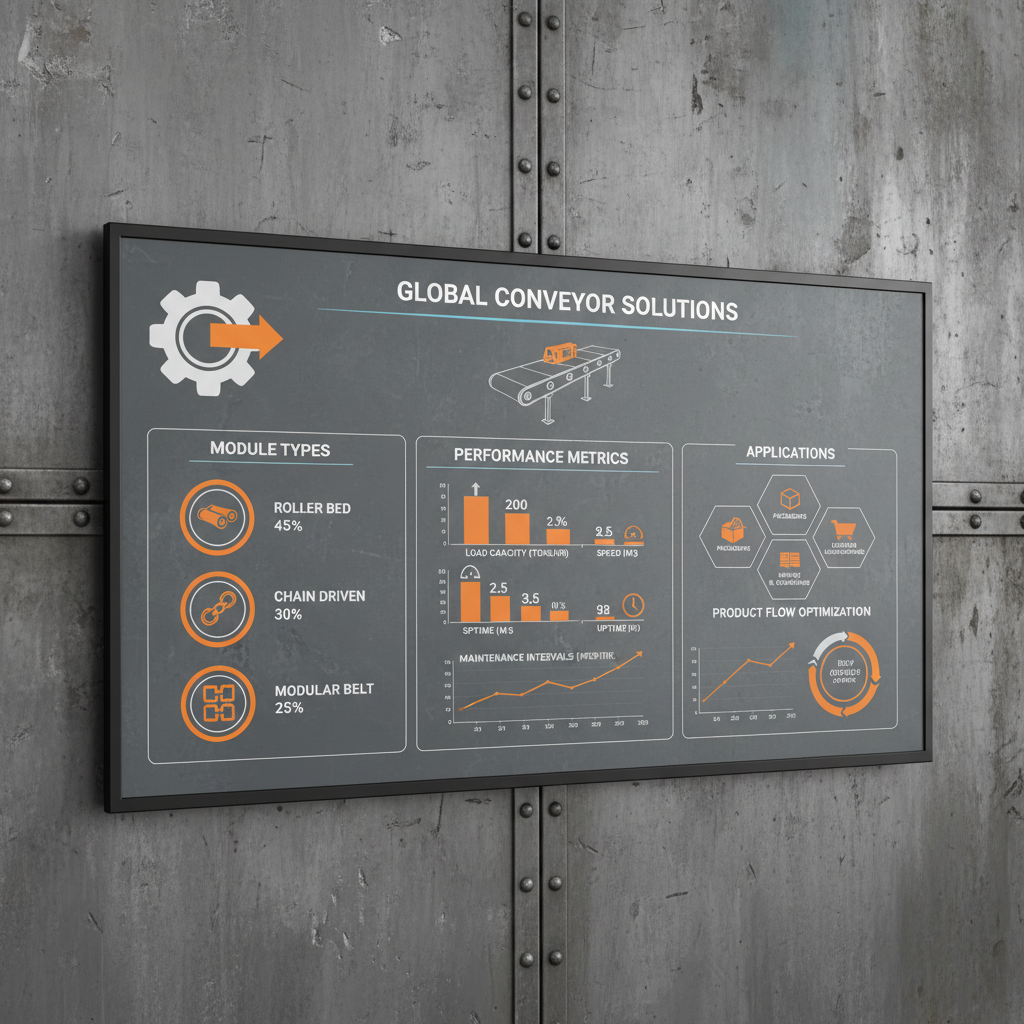
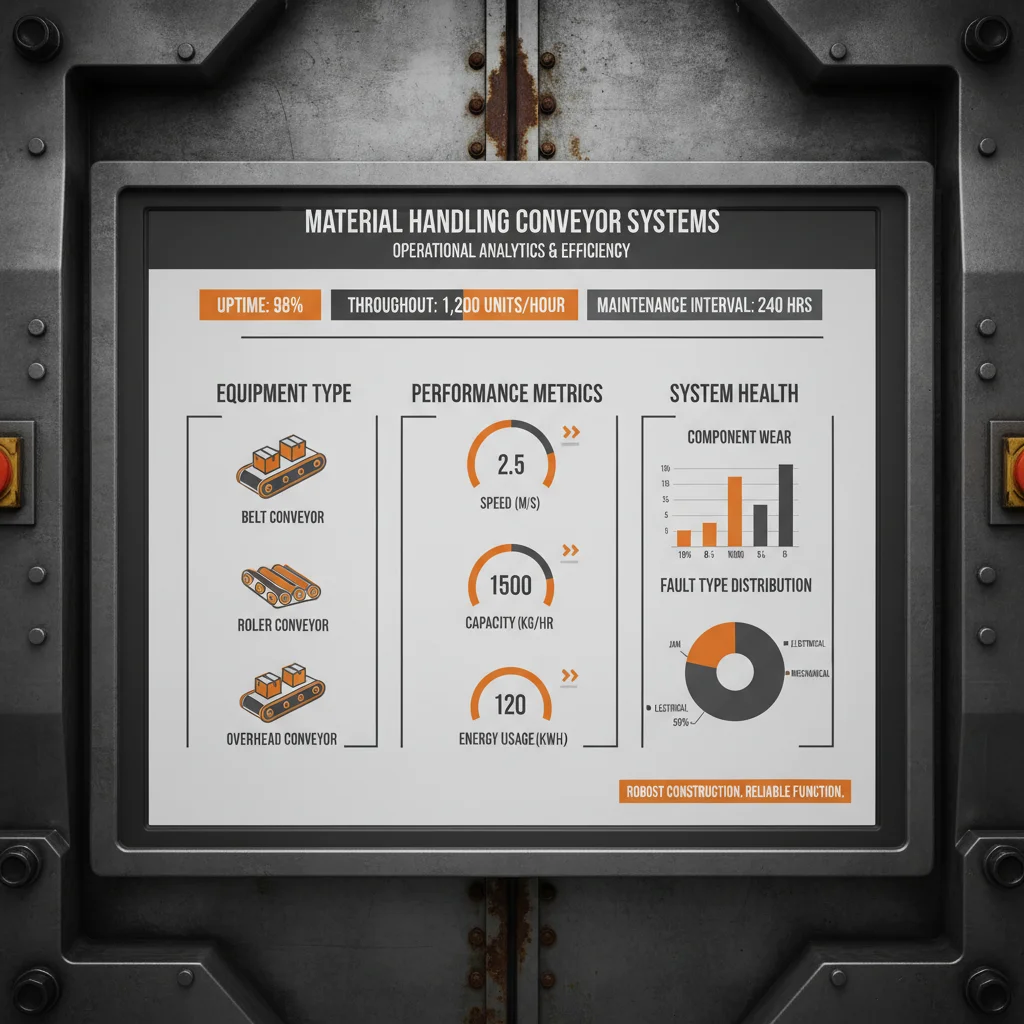
conveyor belt equipment Performance Metrics
Advantages of conveyor belt equipment
Implementing conveyor belt equipment yields numerous tangible benefits. Reduced labor costs are a significant advantage, as automation minimizes the need for manual material handling. Increased throughput and improved efficiency contribute to higher productivity and faster order fulfillment.
Beyond operational benefits, these systems enhance workplace safety by reducing the risk of injuries associated with manual lifting and carrying. Furthermore, reliable conveyor systems contribute to improved product quality by minimizing damage during transport. They cultivate trust through consistent performance.
Future Trends in conveyor belt equipment
The future of conveyor belt equipment is being shaped by several key trends. The integration of Artificial Intelligence (AI) and Machine Learning (ML) is enabling predictive maintenance, optimizing system performance, and automating complex sorting tasks. Furthermore, the demand for sustainable materials and energy-efficient designs is driving innovation in belt materials and drive systems.
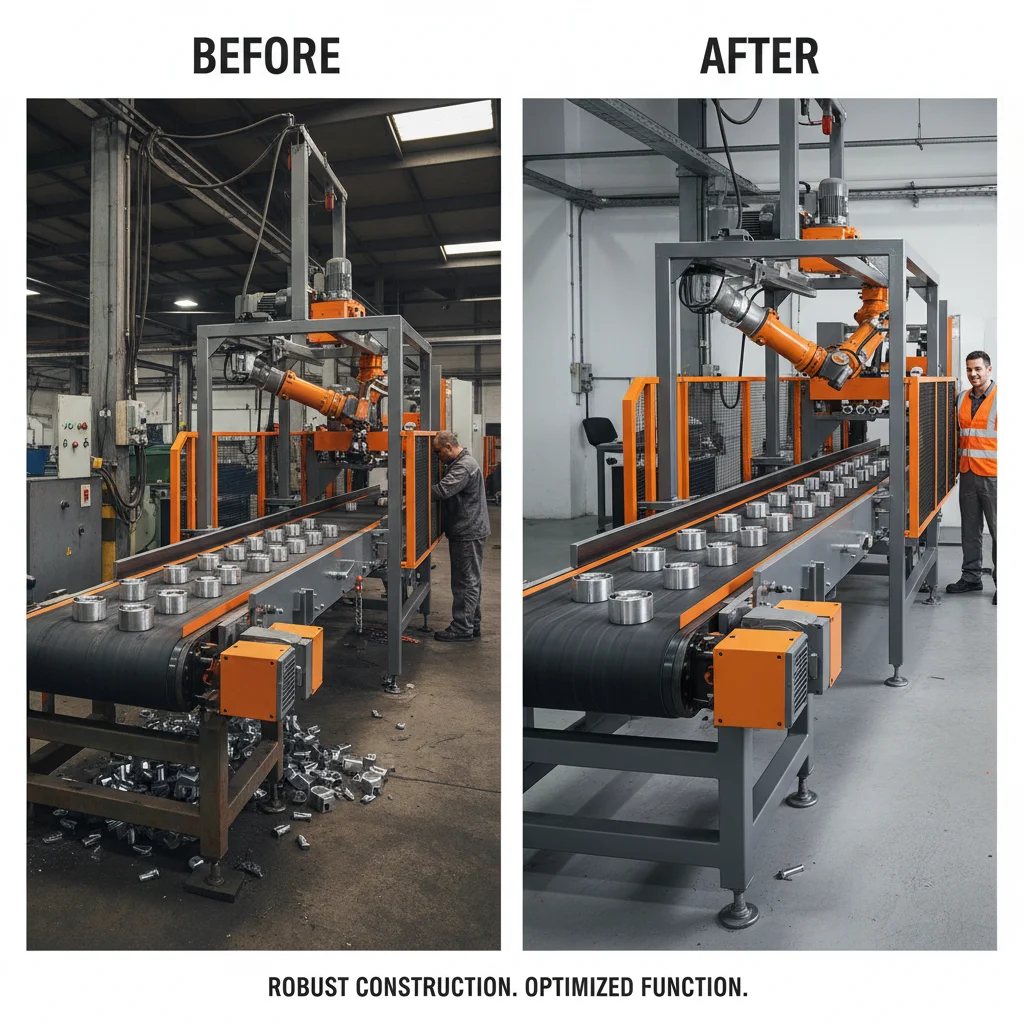
Digital twin technology allows for virtual modeling and simulation of conveyor systems, enabling businesses to optimize layouts and predict potential problems before they occur. Automation and robotics are increasingly integrated with conveyor systems, creating fully automated material handling solutions that require minimal human intervention.
The rise of e-commerce and the need for faster delivery times are pushing the development of even more efficient and reliable conveyor systems. These advancements promise to further streamline supply chains, reduce costs, and improve overall operational efficiency.
Challenges and Solutions in conveyor belt equipment
Despite their many benefits, conveyor belt equipment systems can face challenges. Maintenance and downtime are common concerns, particularly in demanding industrial environments. Belt misalignment, component failures, and unexpected breakdowns can disrupt operations and lead to costly repairs.
Implementing robust preventative maintenance programs, utilizing condition monitoring sensors, and investing in high-quality components can mitigate these challenges. Remote monitoring and diagnostic capabilities allow for proactive identification of potential problems, minimizing downtime and maximizing system availability.
Another challenge lies in adapting conveyor systems to handle increasingly diverse product shapes and sizes. Flexible conveyor systems, modular designs, and advanced control algorithms offer solutions for accommodating a wider range of materials and configurations.
Core Challenges and Solutions in Conveyor Belt Equipment Implementation
| Challenge |
Impact on Operations |
Proposed Solution |
Implementation Cost (1-10) |
| Belt Misalignment |
Increased wear, reduced efficiency, potential damage. |
Automated belt tracking sensors and alignment adjustments. |
6 |
| Component Failure |
System downtime, production delays, repair costs. |
Predictive maintenance utilizing sensor data and machine learning. |
8 |
| Integration Complexity |
Difficulties connecting conveyors with existing systems (WMS, ERP). |
Standardized communication protocols and APIs for seamless data exchange. |
7 |
| Energy Consumption |
High operating costs, environmental impact. |
Variable frequency drives and energy-efficient motor technologies. |
5 |
| Material Handling Versatility |
Inability to efficiently handle diverse product shapes and sizes. |
Modular conveyor systems and adaptable belt designs. |
7 |
| Safety Concerns |
Risk of worker injury due to moving parts and potential hazards. |
Comprehensive guarding, emergency stops, and safety training programs. |
9 |
FAQS
Selecting the right conveyor belt material is crucial for ensuring optimal performance and longevity. Factors to consider include the type of material being conveyed (abrasive, sharp, hot, oily), the operating environment (temperature, humidity, exposure to chemicals), and the required belt properties (strength, flexibility, resistance to wear and tear). Common materials include rubber, PVC, polyurethane, and metal, each with its own advantages and disadvantages.
Preventative maintenance frequency depends on the application and operating conditions. However, a general guideline is to conduct routine inspections at least monthly, with more thorough maintenance performed quarterly or bi-annually. This includes checking belt alignment, tension, and wear, lubricating moving parts, and inspecting electrical connections. Regular maintenance minimizes downtime and extends the life of the equipment.
Modular conveyor belt systems offer several advantages, including increased flexibility, ease of maintenance, and improved sanitation. The modular design allows for quick and easy repairs or modifications, minimizing downtime. They are also easy to clean, making them ideal for food processing and pharmaceutical applications. Furthermore, they can be configured to accommodate complex layouts and product handling requirements.
Several strategies can improve energy efficiency. Utilizing variable frequency drives (VFDs) allows you to adjust motor speed to match the load, reducing energy consumption during periods of low demand. Implementing energy-efficient motors and minimizing belt friction are also effective measures. Regularly inspecting and maintaining the system to ensure optimal performance can further contribute to energy savings.
Essential safety features include emergency stop buttons readily accessible along the conveyor’s length, full guarding to prevent contact with moving parts, and belt misalignment detection systems. Proper signage indicating potential hazards and clear operating procedures are also vital. Regular safety training for personnel is paramount for preventing accidents and ensuring a safe working environment.
The lifespan of a conveyor belt varies greatly depending on factors such as the material, operating conditions, and the type of materials being conveyed. Generally, a well-maintained conveyor belt can last anywhere from 2 to 5 years, although some high-quality belts can last considerably longer. Regular inspections and preventative maintenance are crucial for maximizing belt lifespan and minimizing replacement costs.
Conclusion
In conclusion, conveyor belt equipment represents a cornerstone of modern material handling, offering significant advantages in efficiency, safety, and cost reduction across diverse industries. Understanding the core factors influencing performance, embracing emerging technologies, and proactively addressing challenges are critical for maximizing the value of these systems.
Looking forward, continued innovation in materials, automation, and data analytics will further enhance the capabilities of conveyor belt equipment, driving even greater operational efficiencies and sustainability. To explore tailored solutions for your specific needs, and to discover how JT Conveyor can optimize your material handling processes, visit our website today.