You know, after running around construction sites all year, you start to see things. Things that engineers in their offices just wouldn’t. Lately, everyone’s talking about prefabrication. Huge, right? Everything’s gotta be modular, built off-site, shipped in. To be honest, it's not all sunshine and roses. I've seen modules arrive with misaligned holes, or worse, the wrong materials entirely. It's a headache. But it is the way things are going, so we gotta get it right.
And let me tell you, getting it right isn’t just about CAD drawings. It’s about understanding what happens when a guy with greasy hands is trying to assemble something in the rain. We gotta think about tolerances, about how steel behaves in different temperatures, about what happens when someone drops a wrench on it. It's a whole different ballgame than what the spec sheet says.
Seriously, designing for real-world use? That's the hardest part.
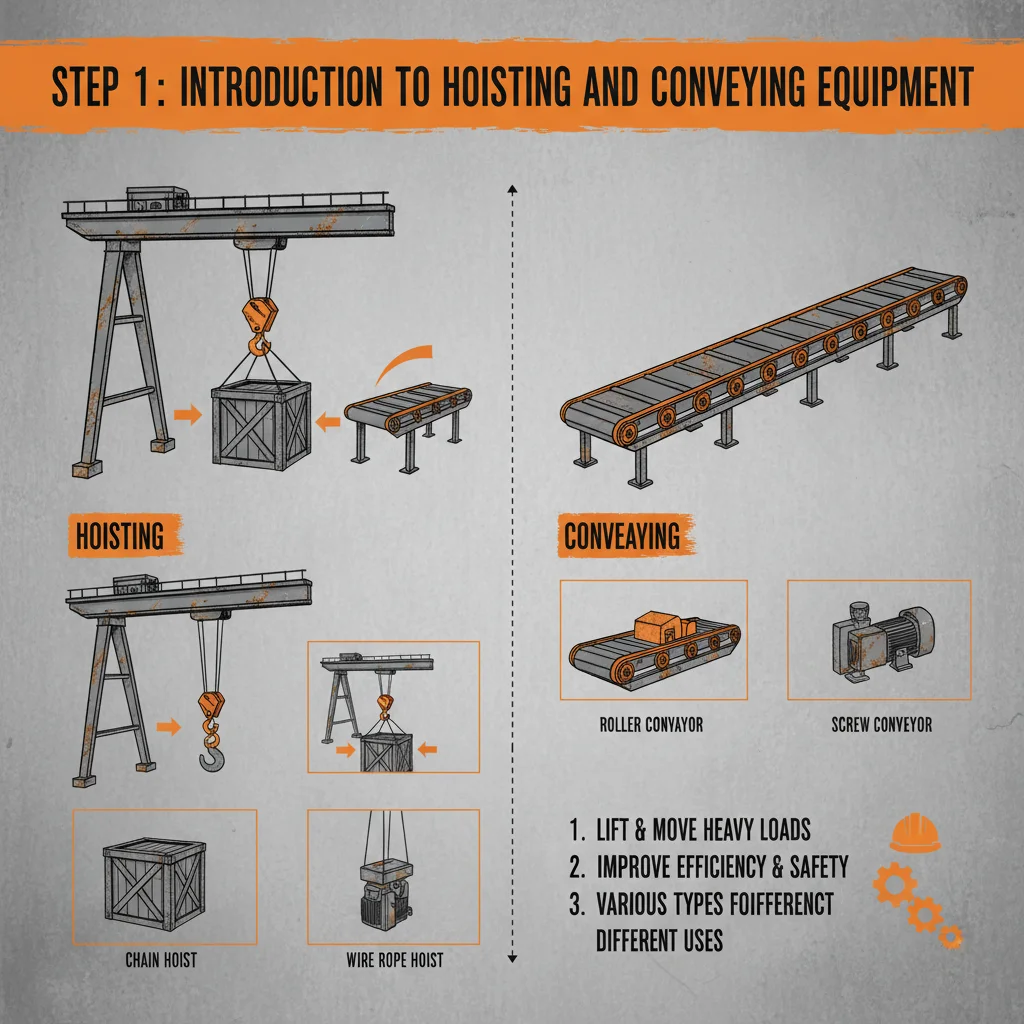
The Shifting Landscape of Custom Conveyor Manufacturers
The demand for custom conveyor manufacturers is exploding, driven largely by the rise of e-commerce and automated warehousing. I mean, have you seen the size of some of these distribution centers? It’s insane. Globally, the conveyor systems market is projected to hit something like $15 billion by 2028 - that's according to a report I skimmed last month, anyway. What's interesting is the increasing need for agility. Companies don’t want fixed systems anymore; they want things that can be reconfigured quickly to handle different products, different volumes.
It used to be, you’d build a conveyor line for a specific product and it’d stay that way for twenty years. Now? They’re changing product lines every six months. That puts a lot of pressure on the manufacturers, and it’s where the value of a truly custom solution comes into play.
Design Pitfalls and Practical Considerations
Look, the biggest mistake I see is designers who don’t talk to the guys who actually build and maintain these things. They come up with these fancy designs, all optimized for efficiency, but they forget about things like access for repairs. Have you ever tried to change a belt on a conveyor that's crammed into a tiny space? It's a nightmare. Strangely, it’s always the little things that trip you up. And don't even get me started on proper guarding. Safety is paramount, obviously, but some of these guards are so over-engineered they actually make it harder to work on the system.
Another common problem? Underestimating the weight of the product. People think about the average weight, but they don’t account for the peaks. You get a surge of heavy items, and suddenly your conveyor is struggling. It’s about anticipating the worst-case scenario.
Simple things, like the angle of decline on a powered roller, make all the difference. Too steep and you get product damage. Too shallow, and it won’t move. It’s a balancing act.
Material Choices: Beyond the Datasheet
You can read all the datasheets you want, but nothing beats actually feeling the material. Stainless steel is obviously the workhorse – durable, hygienic, good looking. But it’s heavy and expensive. Aluminum is lighter, but it dents easily. And don’t even get me started on plastics. There are a million different types, each with its own quirks. The smell of a new conveyor belt, that rubbery, almost chemical scent? That’s a smell that means money.
I encountered this at a food processing plant last time. They’d switched to a cheaper plastic for the conveyor belts, and it started shedding tiny particles. Not good when you’re dealing with food, obviously. They had to rip it all out and go back to the more expensive option. It's about food-grade compliance, but it's also about the overall lifespan and reliability of the system.
And the coatings! Powder coating, galvanizing, painting... they all have their pros and cons. Galvanizing offers great corrosion resistance, but it's brittle. Powder coating is more durable, but it can chip. It really depends on the environment. Anyway, I think a good material selection process is 70% experience and 30% science.
Real-World Testing and Field Performance
Lab tests are fine, but they don’t tell you the whole story. I’ve seen conveyors that performed perfectly in the lab fall apart after a week on the factory floor. You need to simulate real-world conditions. That means testing with the actual product, at the actual speed, for the actual duration.
We do a lot of “abuse testing.” We deliberately overload the conveyor, we drop things on it, we expose it to extreme temperatures. It sounds brutal, but it's the only way to identify weak points. Later... Forget it, I won’t mention the time we accidentally set a conveyor belt on fire. It’s a long story.
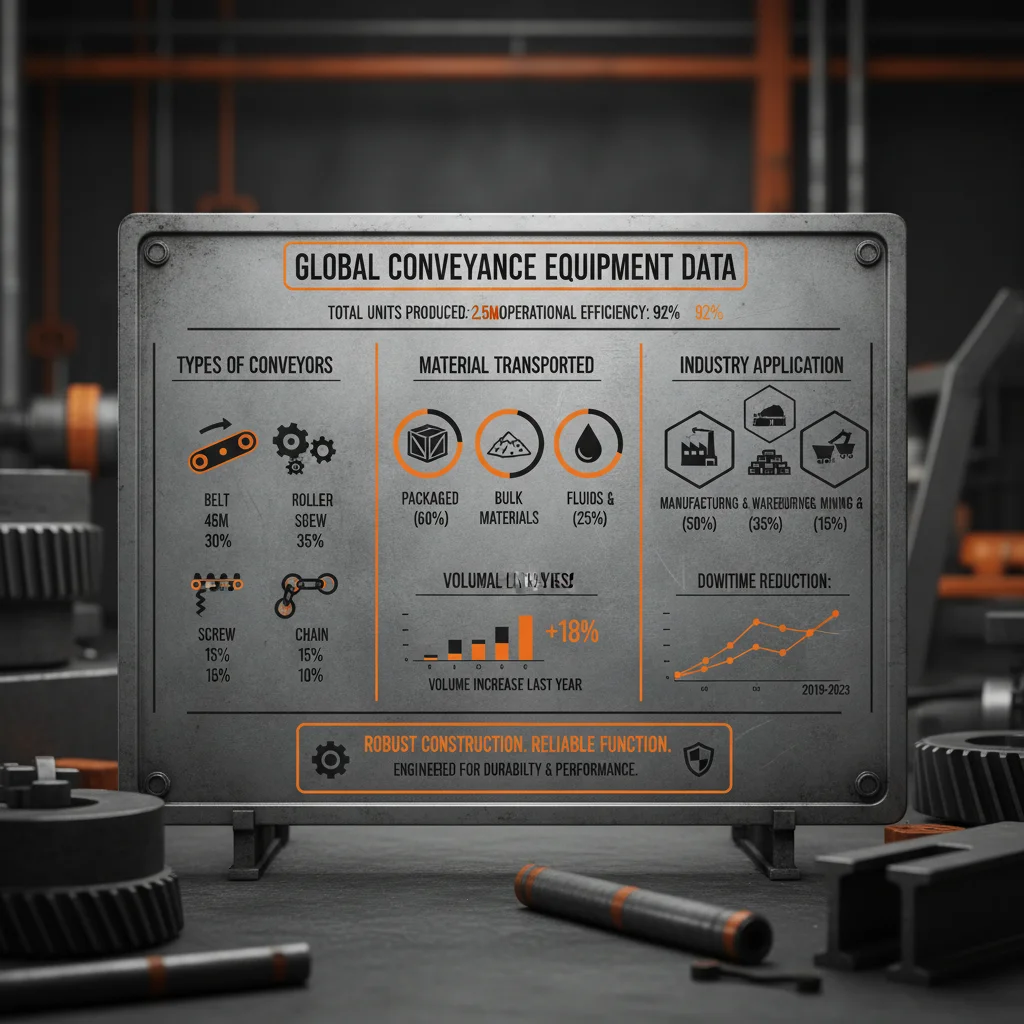
Custom Conveyor Manufacturer Performance Metrics
How Users Actually Utilize Custom Conveyors
It’s funny, you spend all this time designing a system for a specific purpose, and then the customer finds a completely different way to use it. I remember one guy who was using a conveyor designed for boxes to move stacks of tires. It wasn’t ideal, but it worked for him. People are resourceful.
The biggest surprise? How often people don't bother with preventative maintenance. You can design the most reliable conveyor in the world, but if they don't grease the bearings and check the belt tension, it's going to fail eventually.
Advantages, Drawbacks, and the Balancing Act
Custom conveyors are expensive, no getting around that. But they pay for themselves in the long run with increased efficiency and reduced downtime. You get exactly what you need, nothing more, nothing less. The downside? Lead times can be long, especially if you're dealing with complex designs. And frankly, finding skilled technicians who can build and maintain these systems is getting harder every year.
But the advantages usually outweigh the drawbacks. Especially when you need to handle something unique, something that off-the-shelf conveyors just can't do.
It's a trade-off. Always.
Customization and Bespoke Solutions
That’s where we really shine. Last month, that small boss in Shenzhen who makes smart home devices insisted on changing the interface to – for some reason. Said it was “more future-proof.” It was a pain to re-engineer, but we did it. It’s that willingness to go the extra mile that sets us apart.
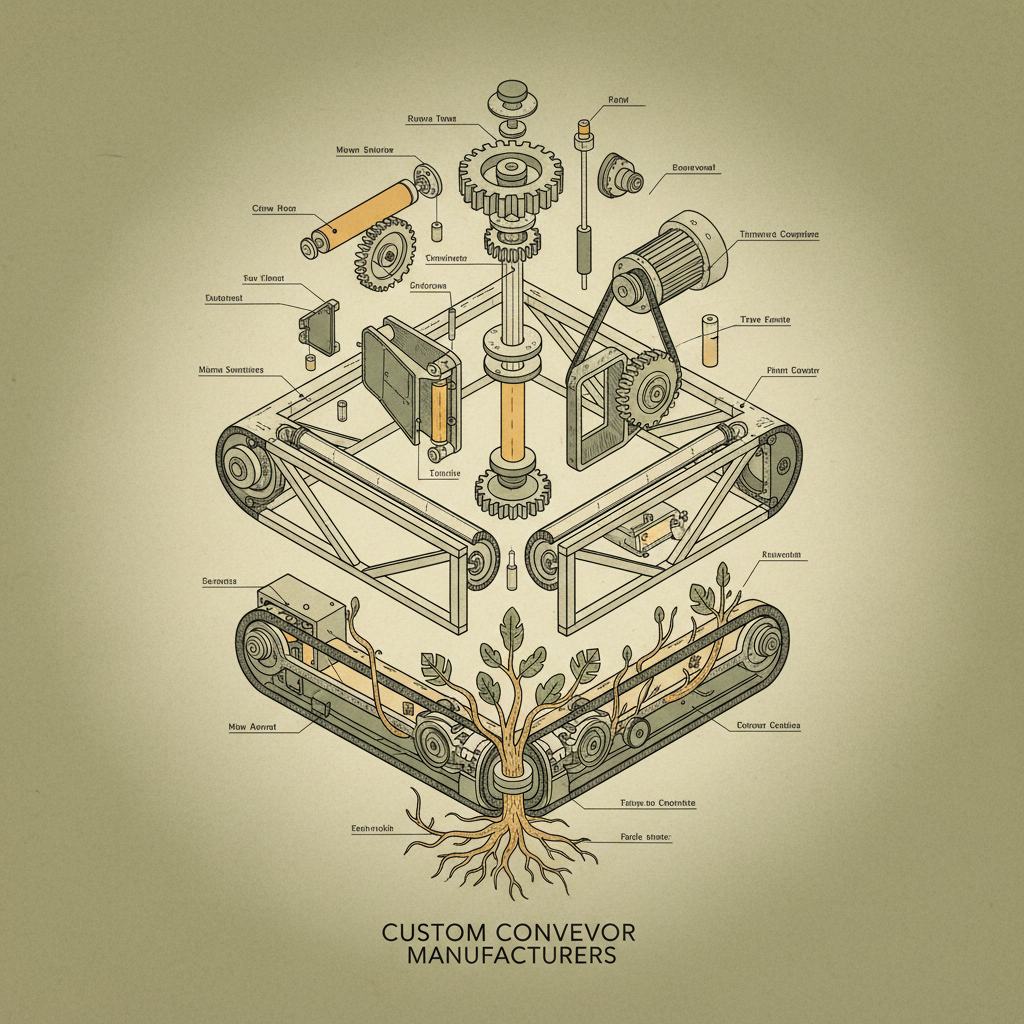
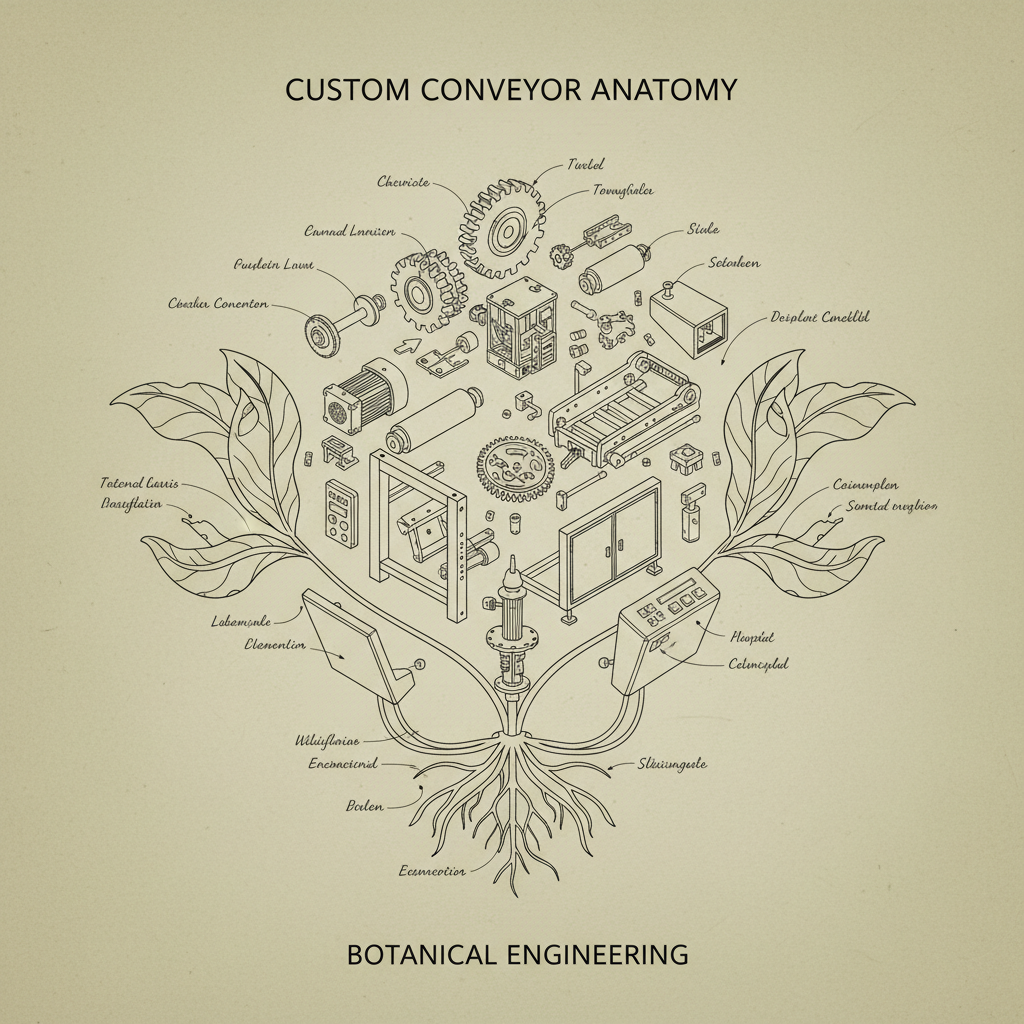
We can modify everything: the belt material, the frame dimensions, the motor speed, the control system. We’ve even built conveyors with integrated weighing systems and barcode scanners. It’s all possible.
Honestly, I’ve lost track of all the weird and wonderful requests we've fulfilled.
Key Customization Parameters
| Parameter |
Typical Range |
Impact on Cost |
Complexity Level |
| Belt Material |
Rubber, PVC, Modular Plastic |
Low to Medium |
Low |
| Frame Material |
Steel, Stainless Steel, Aluminum |
Medium to High |
Medium |
| Motor Power |
0.25 HP – 5 HP |
Low |
Low |
| Conveyor Speed |
10 – 200 ft/min |
Low |
Low |
| Sensor Integration |
Barcode Scanners, Weight Scales, Proximity Sensors |
Medium to High |
High |
| Custom Guarding |
Material, Height, Enclosure Type |
Low to Medium |
Medium |
FAQs
Lead times vary wildly depending on the complexity, material availability, and our current workload. A relatively straightforward system might take 6-8 weeks, while something really intricate could be 12 weeks or more. We try to be upfront about this from the start, and we provide regular updates throughout the process. Honestly, the biggest delays usually come from waiting on specialized components.
Absolutely. In fact, it's becoming increasingly common. We work with a lot of different PLC brands and communication protocols. We can integrate conveyors with robots, pick-and-place machines, and other automated equipment. The key is clear communication upfront about your existing system. Compatibility is rarely a major issue, but it needs to be addressed during the design phase.
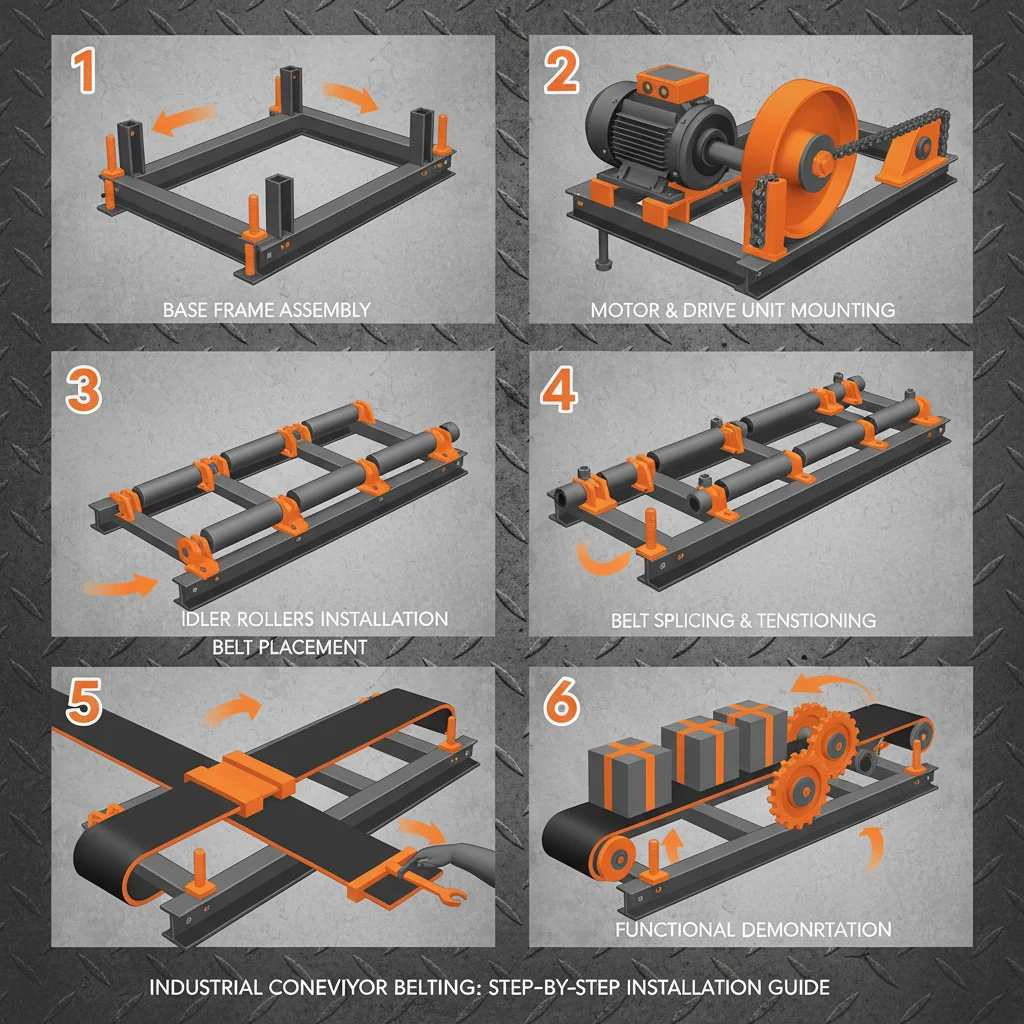
Regular maintenance is critical for ensuring long-term reliability. This includes lubricating bearings, checking belt tension, inspecting rollers, and cleaning debris. We provide detailed maintenance manuals and can offer on-site training for your staff. Ignoring maintenance will lead to premature wear and tear, and eventually, a costly breakdown.
The most common failure points are usually related to wear and tear: belt splices breaking, bearings seizing, rollers failing, and motor issues. Overloading the conveyor or improper maintenance will accelerate these failures. Good design and quality components can significantly reduce the risk, but eventually, things will wear out.
We have a pretty frank conversation. We explain the potential problems, offer alternative solutions, and try to find a compromise that meets their needs while still being feasible. Sometimes, they're willing to adjust their specifications. Other times, we have to walk away from the project. It's better to be honest upfront than to build something that's going to fail.
We are increasingly offering remote monitoring and diagnostic capabilities. With the integration of smart sensors, we can monitor conveyor performance in real-time and identify potential issues before they become major problems. This allows us to provide faster, more efficient support to our customers and minimize downtime. It’s still fairly new, but it’s showing a lot of promise.
Conclusion
Ultimately, custom conveyor manufacturers are about solving problems. It's about taking a complex logistical challenge and turning it into a smooth, efficient process. It requires a deep understanding of materials, mechanics, and, most importantly, the realities of the factory floor. It isn’t glamorous work, but it’s vital.
And let’s be clear, all the engineering in the world doesn't matter if the guy on the line can’t operate it, or if it breaks down after a week. Ultimately, whether this thing works or not, the worker will know the moment he tightens the screw. If you need a conveyor that's built to last, give us a shout. Visit our website: www.jtconveyor.com