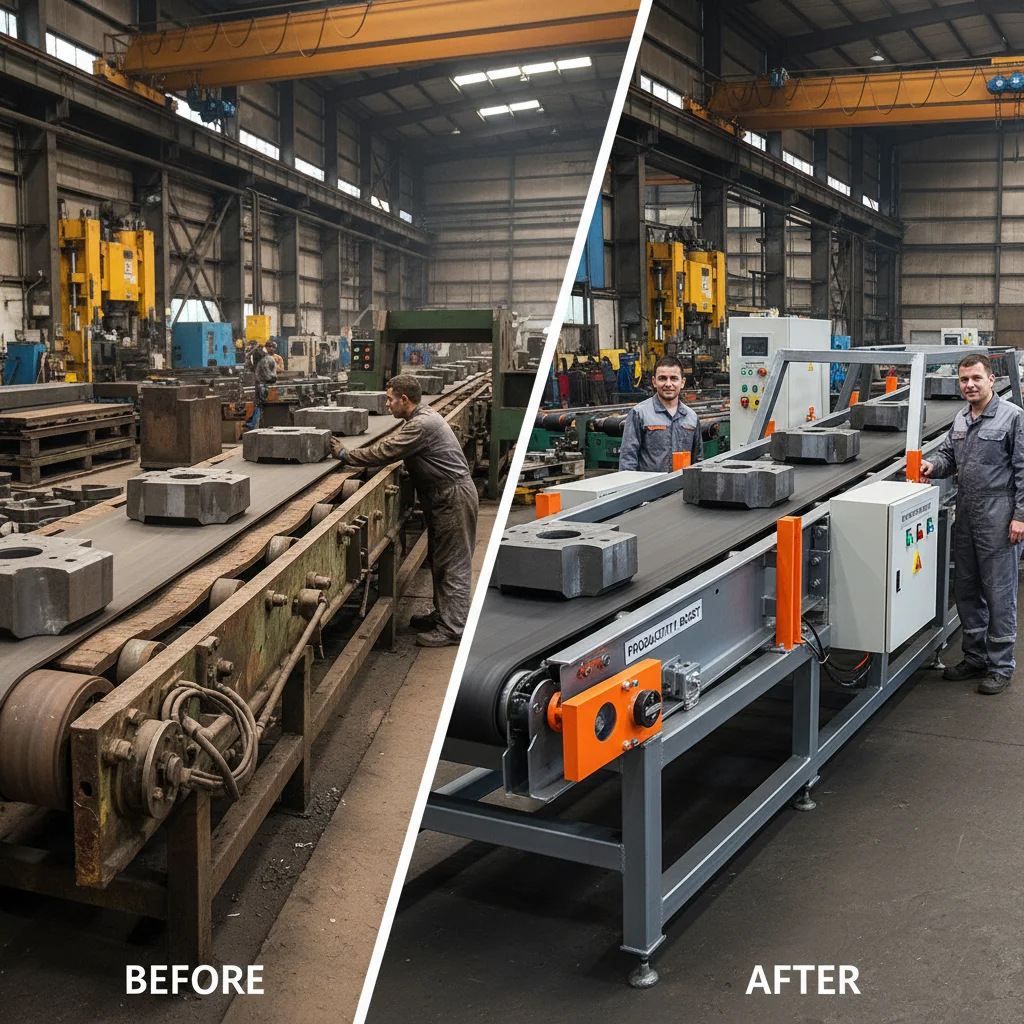
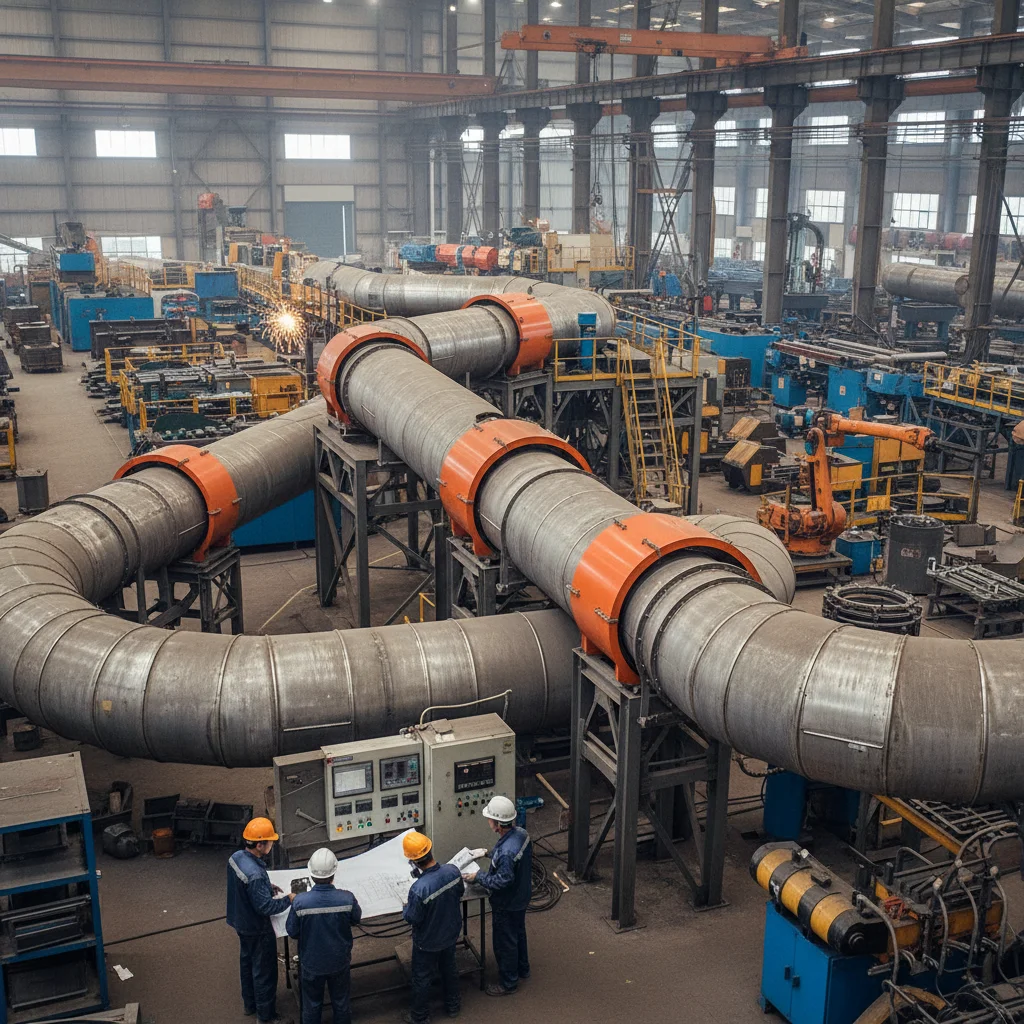
Conveyors and conveying equipment are the backbone of modern logistics and material handling, playing a critical role in industries ranging from manufacturing and agriculture to mining and package delivery. These systems efficiently transport materials, reducing labor costs, increasing throughput, and improving workplace safety. Globally, the demand for effective conveying solutions is driven by increasing production volumes, growing e-commerce, and the need for streamlined supply chains.
The economic impact of conveyors and conveying equipment is substantial. The global conveyor systems market is projected to reach significant values in the coming years, driven by investments in automation and infrastructure development, particularly in emerging economies. These systems are crucial for optimizing resource utilization and minimizing waste, contributing to more sustainable industrial practices. Without robust and efficient conveyors and conveying equipment, many modern industries simply wouldn’t function at their current scale.
From simple belt conveyors to complex automated sorting systems, conveyors and conveying equipment represent a vital component of modern infrastructure. They enable the movement of goods and materials, connecting production facilities, distribution centers, and end consumers, ultimately facilitating global trade and economic growth. Understanding their principles, applications, and emerging trends is essential for professionals in logistics, engineering, and supply chain management.
Introduction to conveyors and conveying equipment
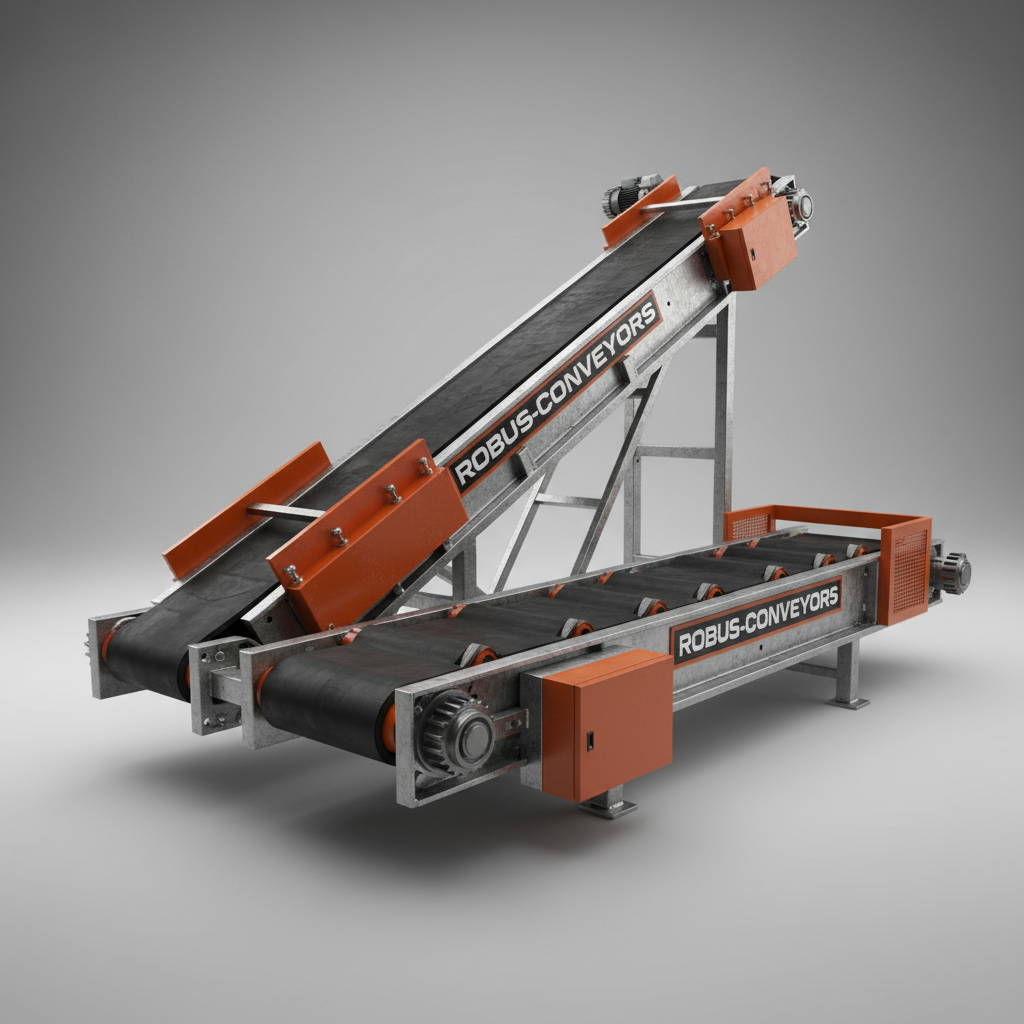
conveyors and conveying equipment encompass a wide range of mechanical handling systems designed to move materials from one location to another. Their applications are remarkably diverse, spanning nearly every sector of industry. Whether it's moving raw materials in a mine, transporting finished goods in a warehouse, or handling baggage at an airport, these systems are often invisible yet essential components of modern operations.
The selection of the correct conveying system isn't just about moving items from point A to point B; it’s about optimizing the entire process. Factors like material characteristics, distance, speed, elevation changes, and integration with existing automation systems all come into play. The proper design and implementation can significantly improve efficiency, reduce costs, and enhance safety.
Defining Conveyors and Conveying Equipment
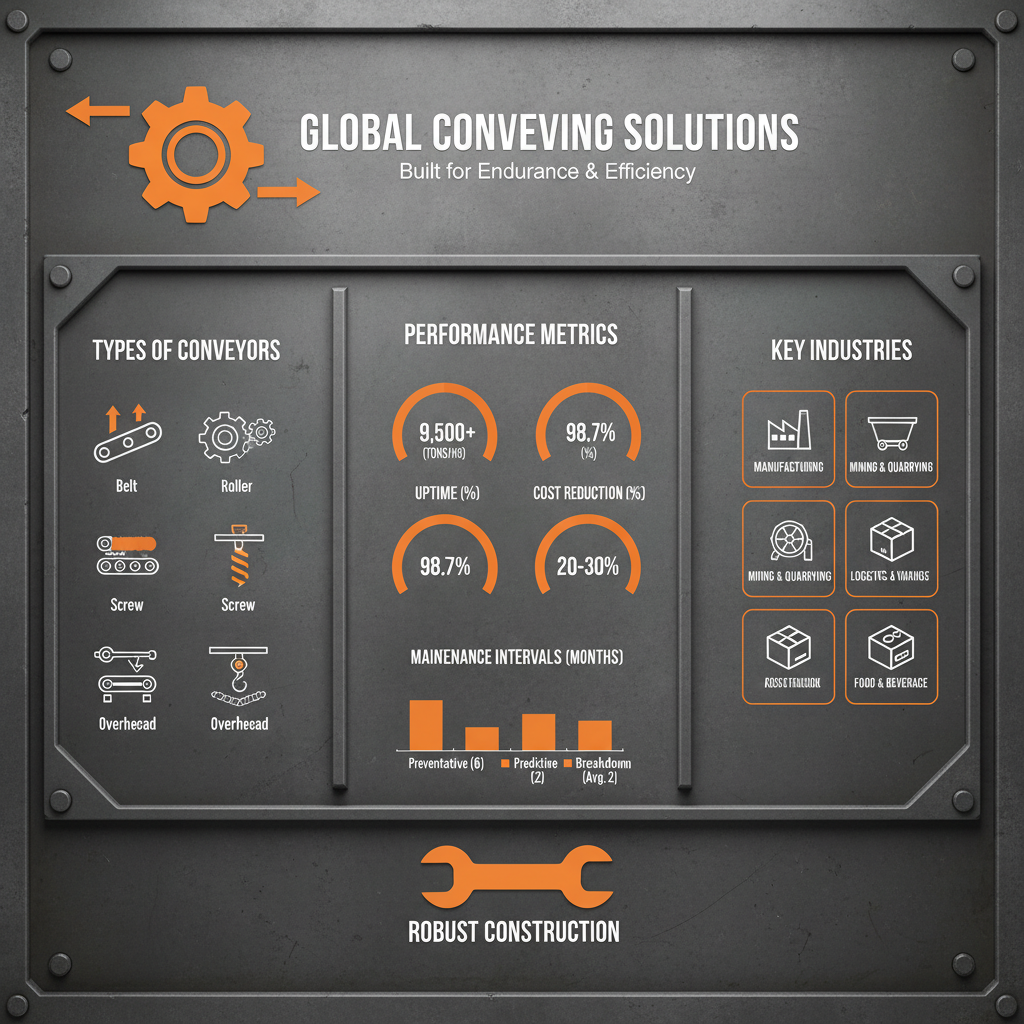
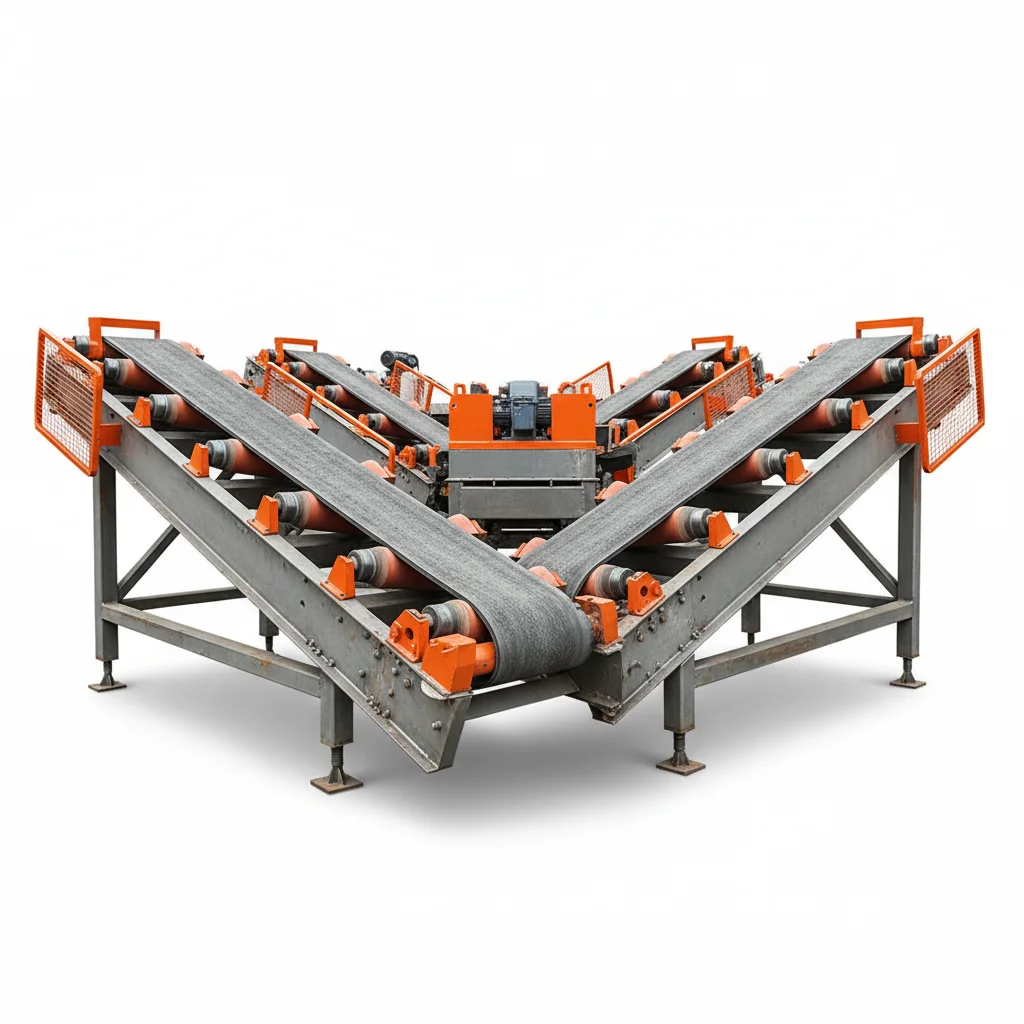
At their core, conveyors and conveying equipment are mechanical systems used to transport materials continuously. This can include a vast array of components such as belts, rollers, chains, screws, and pneumatic tubes. The term ‘conveying equipment’ extends beyond just the conveyor itself, encompassing supporting structures, controls, sensors, and software necessary for operation.
This technology is fundamentally linked to the evolution of modern industry. Before the advent of effective conveying systems, material handling was often labor-intensive and inefficient. The introduction of mechanized systems revolutionized production processes, enabling mass production, streamlined logistics, and increased output.
Beyond industrial applications, conveyors and conveying equipment also address crucial humanitarian needs. In disaster relief scenarios, they facilitate the rapid distribution of essential supplies, enabling aid organizations to reach affected populations efficiently. Similarly, in remote or challenging environments, they are vital for transporting resources and supporting infrastructure projects.
Core Components of Efficient Conveying Systems
Durability is a cornerstone of any effective conveying system. Industrial environments can be harsh, with exposure to dust, moisture, extreme temperatures, and abrasive materials. Components must be constructed from robust materials, designed to withstand constant use, and regularly maintained to ensure long-term reliability. A well-built conveyor minimizes downtime and reduces the need for costly repairs.
Scalability refers to the ability of a system to adapt to changing needs. As production volumes increase or new product lines are introduced, a conveyor system should be easily expandable or reconfigurable without major disruptions. Modular designs are particularly valuable in this context, allowing for flexible adaptation to evolving demands.
Cost efficiency isn’t just about the initial investment. A truly cost-effective system minimizes energy consumption, reduces labor requirements, and optimizes material flow. Regular maintenance, preventative measures, and the selection of appropriately sized components all contribute to lower total cost of ownership.
Key Factors Influencing Conveyor Performance
Proper material selection is paramount for ensuring the longevity and efficiency of conveyors and conveying equipment. The type of material being conveyed dictates the necessary belt material, roller construction, and overall system design. Handling abrasive materials requires wear-resistant components, while transporting fragile items demands gentle handling systems.
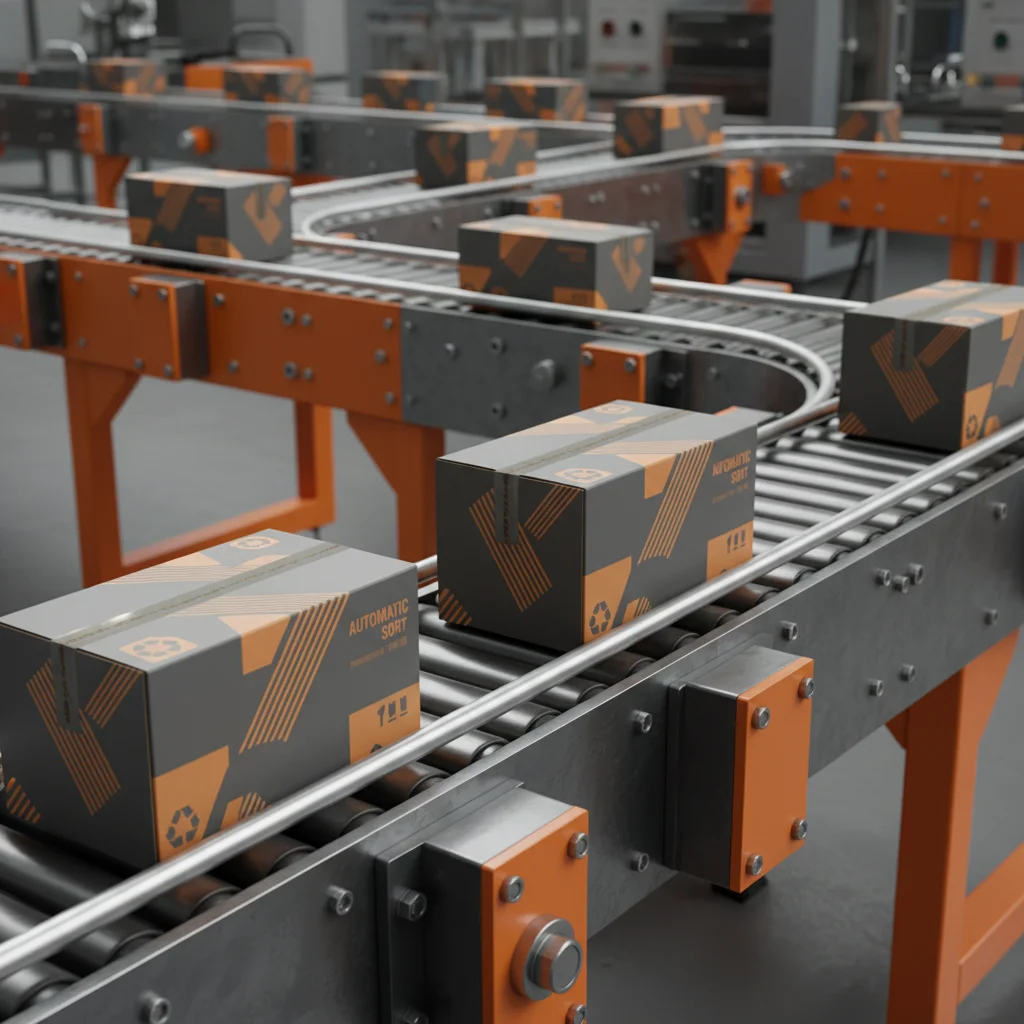
System integration significantly impacts overall performance. Conveyors rarely operate in isolation. They must seamlessly integrate with other processes, such as automated sorting systems, robotic arms, and packaging machines. Effective communication protocols and control systems are essential for smooth operation and maximizing throughput.
Conveyor System Performance Metrics
Global Applications and Diverse Use Cases
In post-disaster relief operations, portable conveyors and conveying equipment are indispensable for quickly establishing supply lines and distributing aid to affected communities. Their ability to be rapidly deployed and reconfigured makes them ideally suited for challenging environments where infrastructure is damaged or non-existent.
In remote industrial zones, such as mining operations in isolated areas, robust and reliable conveying systems are essential for transporting raw materials to processing facilities. These systems often operate continuously under harsh conditions, demanding exceptional durability and minimal downtime. Their effectiveness directly impacts production efficiency and profitability.
The Advantages and Long-Term Value Proposition
The cost savings associated with utilizing conveyors and conveying equipment are significant. Reduced labor costs, increased throughput, and minimized material handling errors contribute to substantial financial benefits. Furthermore, improved workplace safety reduces the risk of accidents and associated expenses.
Sustainability is increasingly becoming a key consideration. Efficient conveying systems reduce energy consumption and minimize waste, contributing to a smaller environmental footprint. By optimizing material flow and reducing the need for manual handling, these systems support more sustainable industrial practices.
Future Trends and Innovation in Conveying Technology
The integration of Artificial Intelligence (AI) and Machine Learning (ML) is poised to revolutionize the field of conveyors and conveying equipment. AI-powered systems can optimize conveyor speed, predict maintenance needs, and detect anomalies in real-time, leading to improved efficiency and reduced downtime.
The development of more energy-efficient conveyor components, coupled with the adoption of renewable energy sources, will further enhance the sustainability of these systems. Smart conveyor systems that dynamically adjust their energy consumption based on load and operating conditions will become increasingly prevalent.
Summary of Challenges and Potential Solutions in Conveying Systems
| Challenge |
Impact on Operations |
Potential Solution |
Implementation Cost (1-10) |
| Belt Misalignment |
Increased wear, reduced efficiency |
Automated alignment sensors & correction systems |
6 |
| Material Buildup |
Reduced capacity, blockage risk |
Self-cleaning conveyor designs & scraper systems |
5 |
| Energy Consumption |
High operating costs, environmental impact |
Variable Frequency Drives (VFDs), energy-efficient motors |
7 |
| Maintenance Downtime |
Production delays, lost revenue |
Predictive maintenance using sensor data & AI |
8 |
| Integration Complexity |
System incompatibility, data silos |
Standardized communication protocols (e.g., OPC UA) |
4 |
| Safety Hazards |
Worker injuries, compliance issues |
Emergency stop systems, safety guarding, light curtains |
3 |
FAQS
When handling abrasive materials, it's crucial to prioritize durability. Select conveyor belts constructed from abrasion-resistant materials like rubber compounds reinforced with fabric plies. Consider using impact rollers and wear-resistant liners to protect the conveyor structure. Regular inspection and replacement of worn components are also essential for maintaining optimal performance and preventing costly downtime. The angle of incline and the speed of the conveyor should also be carefully evaluated to minimize wear.
There are several strategies for reducing energy consumption. Utilizing Variable Frequency Drives (VFDs) allows you to adjust conveyor speed based on demand, eliminating unnecessary energy usage. Implementing energy-efficient motors and regularly maintaining conveyor components to reduce friction are also important. Optimizing load distribution and minimizing conveyor length can further contribute to energy savings. Consider using regenerative braking systems to capture and reuse energy during deceleration.
Preventative maintenance is vital for maximizing the lifespan and reliability of any conveyor and conveying equipment system. Regularly scheduled inspections, lubrication of moving parts, belt tension adjustments, and alignment checks can identify and address potential problems before they escalate into costly repairs. Implementing a detailed maintenance schedule and tracking maintenance activities can significantly reduce downtime and extend the overall lifespan of the system.
Conveyors can be seamlessly integrated with automation systems such as Programmable Logic Controllers (PLCs), robotic arms, and automated sorting systems. Utilizing standardized communication protocols like OPC UA ensures interoperability between different components. Sensors can be used to detect product presence, trigger automated actions, and monitor conveyor performance in real-time. Integration with a Warehouse Management System (WMS) or Enterprise Resource Planning (ERP) system provides end-to-end visibility and control.
Safety should be paramount in conveyor system design and operation. Implement emergency stop systems accessible along the entire length of the conveyor. Install safety guarding to prevent access to moving parts. Use light curtains or pressure sensors to automatically stop the conveyor if an obstruction is detected. Provide clear signage and training for operators regarding safe operating procedures. Conduct regular safety audits to identify and address potential hazards.
Selecting the correct belt material depends on several factors, including the material being conveyed, its weight, temperature, and abrasiveness. Rubber belts are suitable for general-purpose applications, while specialized materials like PVC or polyurethane are better for specific needs. For oily or chemical environments, oil-resistant or chemically resistant belts are essential. Consider the belt's tensile strength, elongation properties, and resistance to wear and tear to ensure optimal performance and longevity.
Conclusion
In conclusion, conveyors and conveying equipment are indispensable components of modern industry and logistics, driving efficiency, reducing costs, and enhancing safety. From simple belt systems to complex automated solutions, these technologies adapt to a vast range of applications and play a crucial role in global supply chains. Understanding the core principles, key considerations, and emerging trends is paramount for professionals seeking to optimize material handling processes and stay ahead of the curve.
Looking ahead, the future of conveying technology lies in embracing innovation – AI-powered optimization, sustainable materials, and seamless integration with automation systems. Investing in these advancements will not only improve operational efficiency but also contribute to a more resilient and sustainable future. For expert guidance and innovative conveying solutions, visit our website at www.jtconveyor.com.