Optimizing Underground Logistics: The Critical Role of Conveyor Belts in Coal Mines
The relentless pursuit of efficiency and safety within the coal mining industry is fundamentally tied to the capabilities of its material transport systems. In an environment where every minute of downtime can translate into significant financial losses and heightened risks, the selection and deployment of a robust conveyor belt in coal mines is not merely a logistical consideration but a strategic imperative. Historically, coal extraction was an arduous, labor-intensive process, fraught with inefficiencies. Today, modern mining operations leverage sophisticated conveyor systems to move millions of tons of raw coal and overburden, facilitating continuous extraction and processing. For instance, a typical large-scale underground coal mine can transport upwards of 10,000 tons of coal per day using advanced conveyor systems, demonstrating an exponential leap in productivity compared to older methods. The economic impact of such systems is profound: optimized material flow can reduce operational costs by up to 15-20% through decreased labor requirements, minimized equipment wear, and a significant reduction in vehicle-related accidents. Beyond pure tonnage, these systems are precisely designed to navigate the complex, often challenging subterranean topography, providing a reliable artery for the mine's output. The efficiency gains are not just about speed; they encompass reliability, energy consumption, and the ability to operate continuously under harsh conditions, ultimately determining the profitability and competitive edge of a mining venture. Without a high-performance conveyor system, the ambitious production targets of contemporary coal mines would be unattainable, making it the veritable backbone of underground logistics.
Engineering Excellence: The Technical Edge of Modern Conveyor Solutions
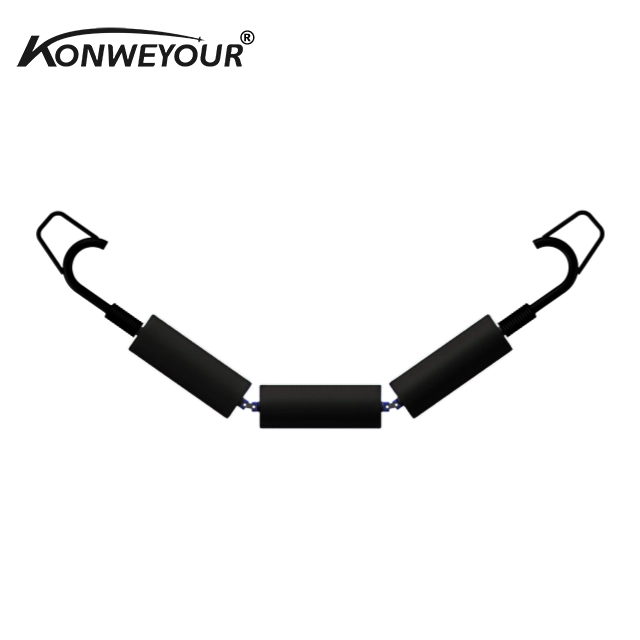
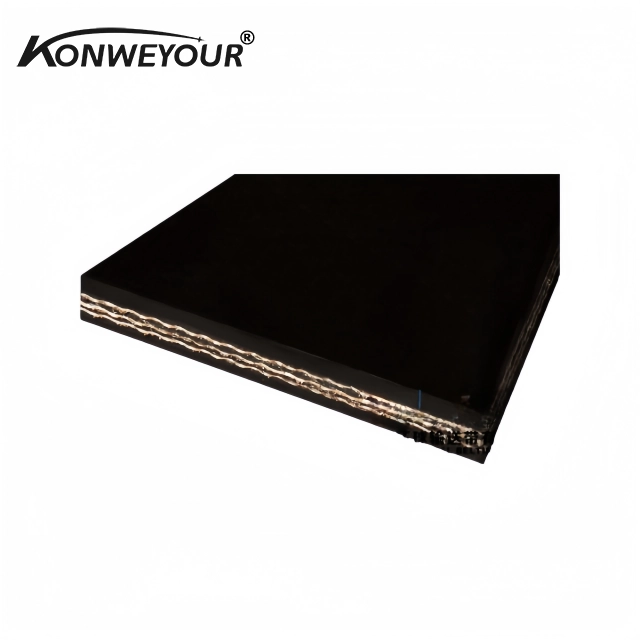
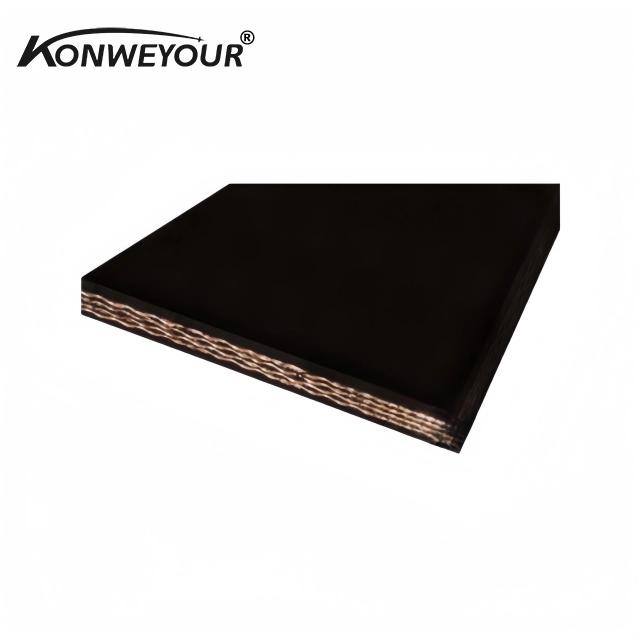
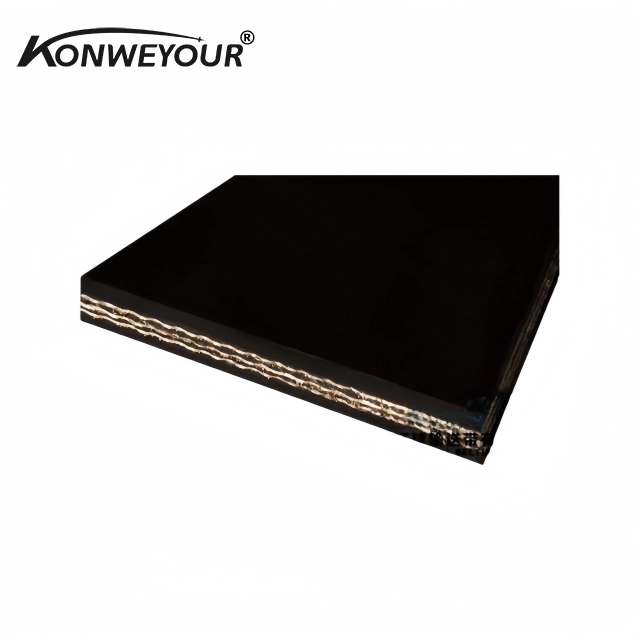
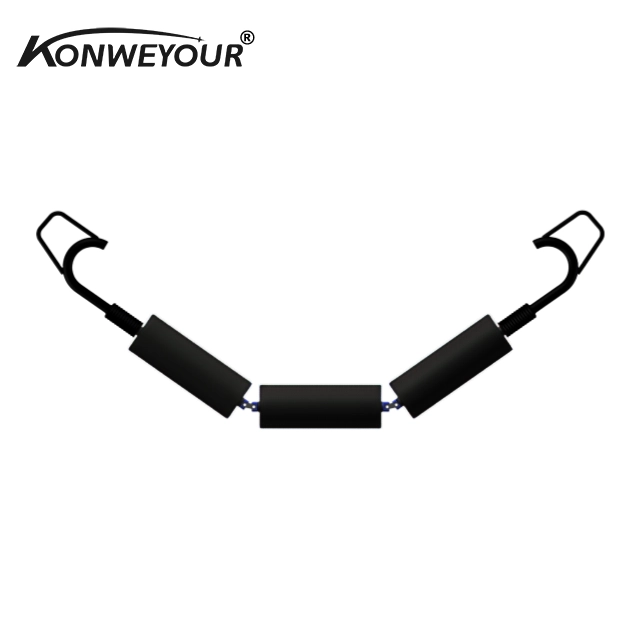
Modern conveyor belt systems in coal mines are engineering marvels, representing a convergence of advanced materials science, sophisticated mechanical design, and intelligent control systems. The core component, the conveyor belt itself, is no longer a simple rubber strip but a multi-layered composite designed for extreme durability and specific functionalities. Belts often feature steel cord reinforcement, providing exceptional tensile strength capable of spanning kilometers and handling immense loads, or high-strength textile plies for flexibility and lighter applications. Materials like specialized synthetic rubbers (e.g., styrene-butadiene rubber, SBR, or polychloroprene, Neoprene) are meticulously formulated to resist abrasion, impact, oils, chemicals, and flame, adhering strictly to mining safety standards such as MSHA in the US or ATEX in Europe. Idlers and rollers, crucial for supporting the belt and load, are engineered with sealed, lubricated-for-life bearings to withstand dust and moisture ingress, ensuring smooth, low-friction operation and minimizing maintenance requirements. Drives, typically high-power electric motors coupled with robust gear reducers, are precisely sized and controlled by variable frequency drives (VFDs) to manage belt speed, tension, and power consumption efficiently, adapting to varying load conditions. This intelligent control minimizes energy waste, extends equipment lifespan, and prevents sudden stresses on the belt. Furthermore, sophisticated monitoring systems incorporating an array of sensors for belt slippage, rip detection, misalignment, temperature, and emergency stops are integrated to provide real-time operational data. These systems not only enhance safety by preventing catastrophic failures but also enable predictive maintenance, significantly reducing unplanned downtime. Innovations such as self-cleaning pulleys, impact beds that absorb heavy loads, and chute designs optimized for material transfer further exemplify the relentless pursuit of operational excellence and reliability in these demanding environments.
Performance Benchmarks: A Comparative Analysis of Leading Conveyor Manufacturers
Choosing the right conveyor system for a coal mine involves a meticulous evaluation of various manufacturers, each offering distinct advantages in technology, material science, and support infrastructure. While specific performance metrics can vary based on the application and geological conditions, a general comparison of leading providers can illuminate their strengths. Key differentiators include belt material durability, motor efficiency, control system sophistication, and the robustness of after-sales support. For instance, a manufacturer specializing in ultra-high strength steel cord belts might offer superior longevity in high-tension, long-distance applications, potentially reducing replacement costs by 25% over a decade compared to conventional textile belts. Another might excel in modular designs, facilitating quicker installation and easier maintenance in dynamic underground environments. When evaluating, factors like mean time between failures (MTBF) for critical components, energy consumption per ton of material moved, and compliance with stringent environmental and safety regulations are paramount. Below is a simplified comparative analysis of hypothetical leading conveyor system manufacturers, focusing on key performance indicators relevant to coal mining operations:
Feature/Manufacturer | Manufacturer A (Heavy-Duty Specialist) | Manufacturer B (Energy Efficiency Leader) | Manufacturer C (Custom Solutions Provider) |
Primary Belt Type Focus | Steel Cord, Aramid Reinforced | Fabric Plied (EP/NN), High Abrasion Resistant | Mixed (Steel Cord/Fabric), Application Specific |
Typical Tensile Strength (kN/m) | ST 2000 - ST 6000+ | EP 630 - EP 2500 | Custom up to ST 5000 |
Energy Efficiency Rating | Excellent (VFD Integration) | Superior (Low-Friction Idlers, Optimized Drives) | Very Good (Tailored System Optimization) |
Flame Retardancy / Safety Compliance | MSHA, ATEX, EN 14973 Certified | MSHA, ATEX, DIN 22100 Certified | Global Standards Compliant (Client Specific) |
Estimated Lifespan (Belt) | 10-15 years+ (with proper maintenance) | 8-12 years (with proper maintenance) | Varies, often 10-15 years for key sections |
Monitoring & Automation | Comprehensive (Rip, Tear, Alignment, Temp) | Advanced (Predictive Maintenance AI) | Modular (Integrates with existing systems) |
After-Sales Support & Spares Availability | Global network, good parts availability | Strong regional support, quick spares delivery | Project-based support, customized spares |
This comparison underscores the need for a thorough needs assessment, considering factors like mine layout, anticipated throughput, environmental conditions, and budget. While Manufacturer A might offer unparalleled robustness for long-haul applications, Manufacturer B could provide a more energy-efficient solution for shallower, higher-volume mines. Manufacturer C, with its focus on customization, might be ideal for unique geological challenges or seamless integration with legacy infrastructure.
Tailored for Tomorrow: Customization and Integration Strategies
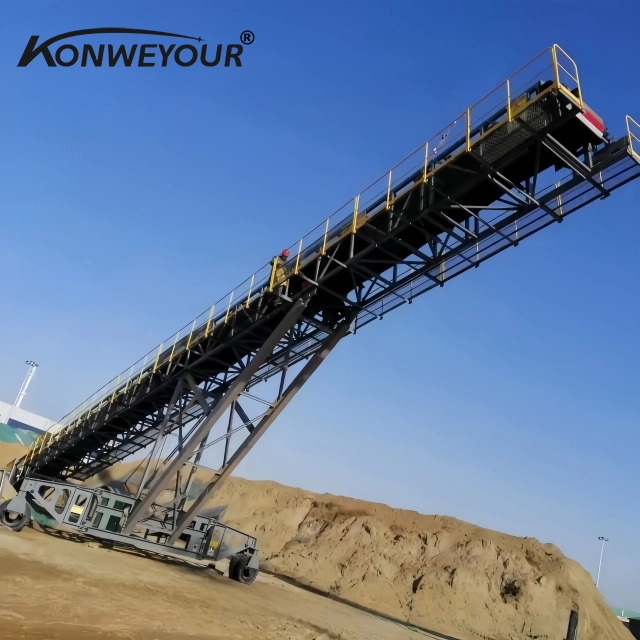
One size rarely fits all in the complex geology and operational nuances of coal mining. Therefore, modern conveyor system providers excel in offering highly customized solutions and seamless integration into existing mine infrastructure. Customization begins with an in-depth geological and topographical survey of the mine, meticulously accounting for gradients, curves, shaft depths, and the specific material properties of the coal and overburden. Based on this comprehensive data, engineers design bespoke belt widths, lengths, and drive configurations to optimize throughput and energy consumption for that unique environment. For instance, a mine with steep inclines might necessitate a corrugated sidewall belt or a specialized cleated belt to prevent material rollback, a solution that standard flat belts cannot provide effectively. Similarly, transfer points, notorious for wear and spillage, are meticulously designed using advanced simulation software to minimize impact, reduce material spillage, and mitigate dust generation, all critical for both safety and environmental compliance. Integration strategies involve more than just connecting new segments; they encompass harmonizing new conveyor systems with existing electrical grids, control networks, and safety protocols. This might involve developing custom programmable logic controller (PLC) programs to interface with legacy SCADA systems or implementing standardized communication protocols (e.g., Modbus, Profibus) across disparate equipment. The ultimate goal is to create a cohesive, intelligent transport network that operates as a single, unified entity, rather than a mere collection of individual machines. Furthermore, modular design principles are increasingly adopted, allowing for easier expansion, reconfiguration, or even relocation of conveyor sections as mining operations progress or new seams are accessed. This inherent adaptability significantly extends the system's lifecycle and return on investment, providing a future-proof solution against evolving operational demands. The emphasis on tailored solutions ensures that each system is not just installed but precisely engineered to deliver peak performance within its specific operational context.
Seamless Operations: Real-World Applications and Success Stories
The efficacy of advanced conveyor systems is best demonstrated through their successful deployment in real-world coal mining scenarios, often overcoming significant operational hurdles and driving measurable improvements. Consider a large-scale longwall mine in Appalachia, known for its extensive, deep seams and complex geology. Faced with increasing production demands and a critical need to reduce reliance on costly and hazardous truck transport within the mine, the operator invested in a high-capacity, multi-flight steel cord conveyor system stretching over 10 kilometers. This intricate system, featuring multiple interconnected flights, each controlled by sophisticated VFDs, was engineered to ascend steep gradients and navigate tight underground turns. Post-installation, the mine reported a remarkable 30% increase in daily coal output, primarily due to continuous flow, and a significant 45% reduction in internal transport-related accidents over two years. The energy consumption was also optimized, leveraging regenerative braking on decline sections to feed power back into the grid, resulting in a 10% decrease in overall power costs for the transport segment. Another compelling case involves an open-pit coal mine in Australia, transitioning to an in-pit crushing and conveying (IPCC) system. Historically, the mine relied on a vast fleet of large diesel dump trucks, leading to high fuel consumption, significant emissions, and considerable operational expenditure. By implementing a semi-mobile IPCC system with a series of heavy-duty overland conveyors, the mine achieved a 20% reduction in operating costs per ton. This system not only moved material more efficiently but also dramatically lowered the carbon footprint, cutting greenhouse gas emissions by an estimated 25,000 tons annually. These examples powerfully underscore how tailored conveyor solutions, backed by robust engineering and intelligent controls, are pivotal in transforming mining operations from being merely productive to being both highly efficient and environmentally responsible, setting new benchmarks for productivity and safety across the industry.
Safety and Sustainability: Addressing Critical Concerns in Mine Operations
Beyond raw efficiency and output, the imperative for uncompromising safety and environmental sustainability drives much of the innovation in modern conveyor belt systems for coal mines. Safety is paramount, particularly in underground environments where inherent risks are always present. Modern systems incorporate multiple layers of protection. Flame-retardant and anti-static (FRAS) belts are a standard, often legally mandated, requirement, significantly reducing the risk of fire and explosions. Emergency stop pull cords, belt sway switches, underspeed sensors, and rip detection systems are strategically placed along the entire conveyor line to quickly identify and halt operations in case of an anomaly, effectively protecting personnel and preventing catastrophic equipment damage. Comprehensive dust suppression systems, including precisely calibrated water sprays and high-efficiency dust collectors at transfer points, are crucial for mitigating the risk of coal dust explosions and dramatically improving air quality for workers. Furthermore, enclosed conveyor sections and powerful magnetic separators prevent foreign metallic objects from reaching downstream processing equipment, safeguarding machinery and preventing dangerous sparks. From a sustainability perspective, the design and operation of these systems are increasingly focused on minimizing environmental impact throughout their lifecycle. Energy efficiency, as previously discussed, plays a major role, directly reducing the overall carbon footprint of mining operations. The use of durable, long-life components reduces waste generation, while manufacturers are actively exploring more recyclable materials for belts and other parts. Water management, particularly for dust suppression, is optimized through sophisticated recirculating systems. Noise pollution, a significant concern in both underground and surface operations, is addressed through quieter idler designs and insulated motor housings. Moreover, the fundamental shift from diesel-powered trucks to electric conveyor systems drastically cuts down on diesel particulate matter and other harmful emissions within the mine, contributing to a healthier working environment and ensuring compliance with increasingly stringent environmental regulations. These holistic approaches ensure that modern conveyor systems are not just tools for extraction but integral components of a responsible and forward-thinking mining operation.
Pioneering Efficiency: The Future of the Conveyor Belt in Coal Mines
The evolution of the conveyor belt in coal mines is far from complete, with ongoing innovations promising even greater levels of efficiency, safety, and autonomy. The future will likely see a significant expansion in smart conveyor systems, leveraging advanced IoT sensors, artificial intelligence, and machine learning for predictive maintenance and operational optimization. Imagine systems that not only detect an impending idler bearing failure but can also autonomously schedule its replacement, ordering the necessary part and alerting maintenance crews, long before any operational impact or downtime occurs. Drones and robotic inspections are already being explored for remote monitoring of inaccessible conveyor sections, further reducing human exposure to hazardous areas. Energy recovery systems, which capture and reuse kinetic energy from descending loads, will become more sophisticated and widely implemented, potentially turning long decline conveyors into energy generators that contribute to the mine's power grid. Material science continues its rapid advancements, promising even lighter, stronger, and more environmentally friendly belt compounds that can withstand harsher conditions with extended lifespans. The integration with overall mine management systems will become seamless, allowing for real-time optimization of the entire production chain from the coal face to the processing plant. Furthermore, as mines go deeper and become more structurally complex, the demand for ultra-long-distance, single-flight conveyor systems will increase, pushing the boundaries of current engineering capabilities for tension management and drive power. The overarching goal is to create fully autonomous, self-optimizing material transport networks that maximize throughput, minimize operational costs, and uphold the highest standards of safety and environmental stewardship. The continuous innovation in conveyor belt technology is not just about moving coal; it's about pioneering the future of mining itself, making it safer, more productive, and more sustainable for generations to come.
Frequently Asked Questions about Conveyor Belts in Coal Mines
Q1: What are the primary types of conveyor belts used in coal mines?
A1: The primary types include high-strength steel cord belts for long-distance, heavy-duty applications and textile (fabric-plied, e.g., EP or NN) belts for shorter distances and moderate loads. Specialized types like corrugated sidewall belts or cleated belts are used for steep inclines, and all must be FRAS (Flame Retardant Anti-Static) for safety.
Q2: How do modern conveyor systems enhance safety in coal mines?
A2: Modern systems enhance safety through mandatory FRAS belt materials, comprehensive monitoring systems (rip, tear, slippage, misalignment, emergency stops), sophisticated dust suppression, enclosed transfer points, and reduced human exposure compared to traditional truck haulage. Predictive maintenance capabilities also prevent unexpected failures that could pose risks.
Q3: What role does energy efficiency play in the design of coal mine conveyor belts?
A3: Energy efficiency is crucial. Modern designs incorporate low-friction idlers, optimized drive systems with Variable Frequency Drives (VFDs) for precise speed and tension control, and energy recovery systems (regenerative braking) on decline sections. This significantly reduces operational costs, lowers carbon footprints, and extends equipment lifespan.
Q4: How long does a typical conveyor belt last in a coal mine?
A4: The lifespan varies significantly based on belt type, material quality, operational conditions, and maintenance practices. High-quality steel cord belts, with proper maintenance and suitable operating conditions, can last 10-15 years or even longer, while fabric-plied belts might last 5-10 years. Abrasion, impact, and improper tensioning are major factors affecting longevity.
Q5: Can conveyor systems in coal mines be customized for specific geological conditions?
A5: Absolutely. Customization is a key advantage. Engineers conduct detailed geological and topographical surveys to design bespoke solutions for gradients, curves, material properties, and throughput requirements. This includes selecting appropriate belt types, drive configurations, transfer chute designs, and integrating with existing mine infrastructure to optimize performance.
Q6: What are the environmental benefits of using conveyor belts over other transport methods in coal mines?
A6: Conveyor belts offer significant environmental benefits, including reduced greenhouse gas emissions (especially compared to diesel trucks), lower noise pollution, minimized dust generation through controlled systems, and efficient energy consumption. Their continuous operation also reduces the need for extensive road infrastructure and land disturbance in surface mining.
Q7: What advancements are expected in future conveyor belt technology for coal mines?
A7: Future advancements include increased integration with IoT and AI for predictive maintenance, remote diagnostics, and autonomous operation. Further innovations in material science will lead to lighter, stronger, and more sustainable belts. More sophisticated energy recovery systems and fully integrated, self-optimizing mine-wide transport networks are also on the horizon.