Steel Conveyor Rollers with Bearings: A Comprehensive Guide
Efficient material handling is the backbone of many industries, and steel conveyor rollers with bearings are critical components in ensuring smooth and reliable operation. This article provides an in-depth look at these rollers, their applications, benefits, and key considerations for selecting the right type for your needs. We'll cover everything from the different bearing options to the impact of material and construction on performance. Understanding these factors can lead to significant improvements in your conveyor system’s efficiency and longevity.
Understanding Steel Conveyor Rollers with Bearings
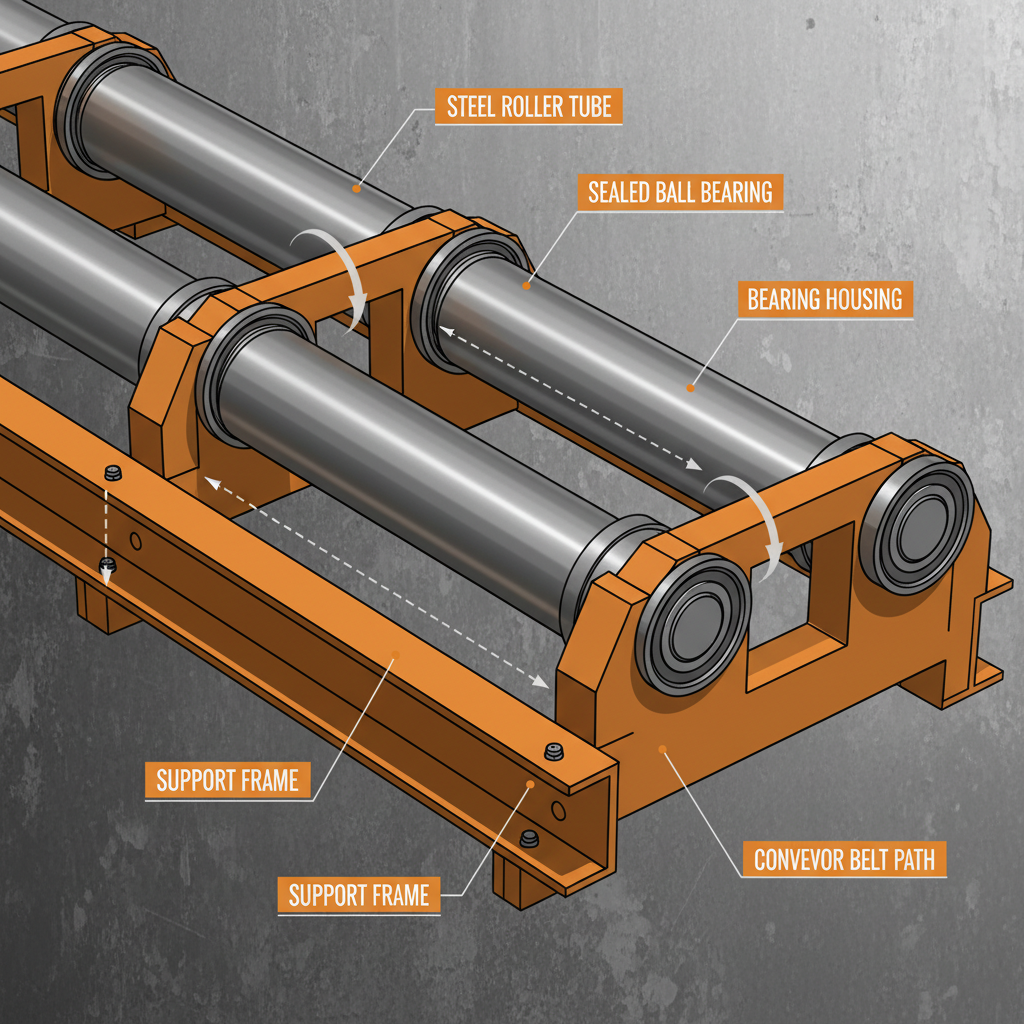
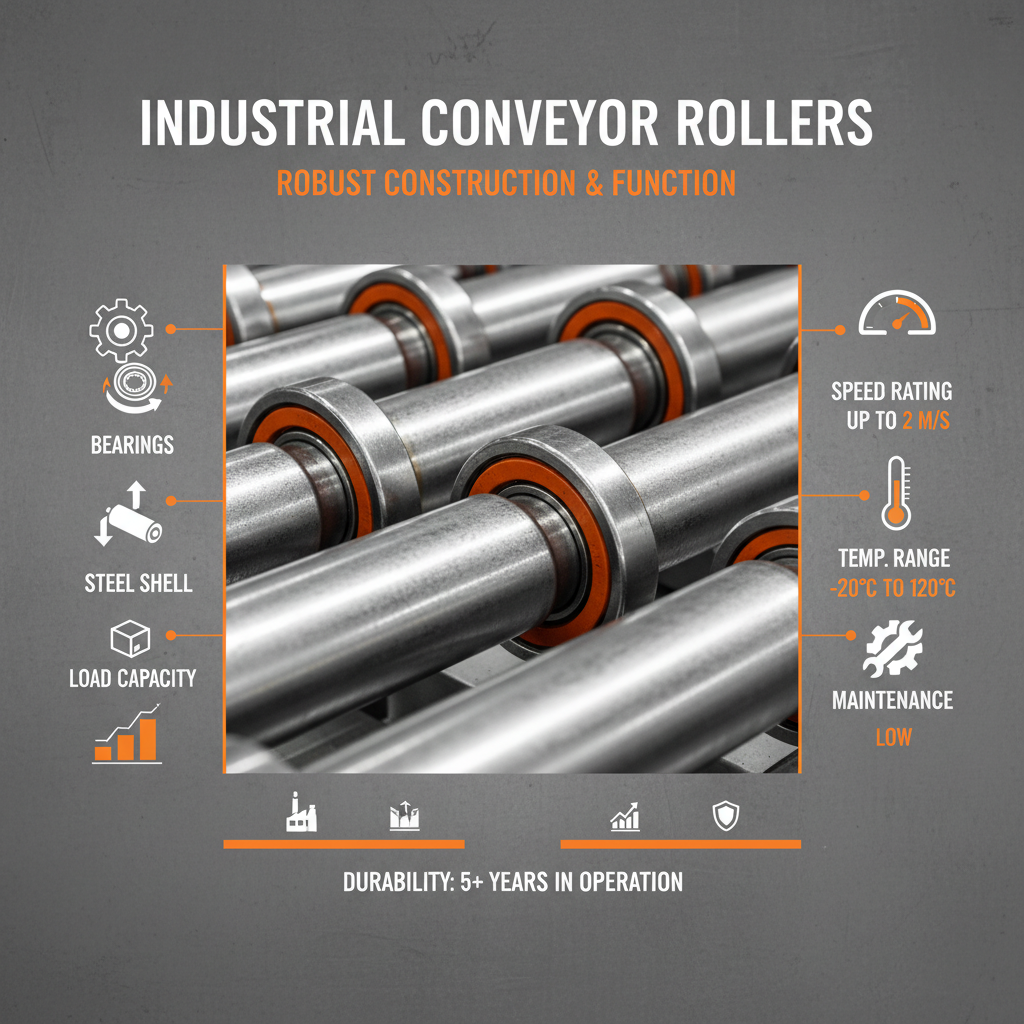
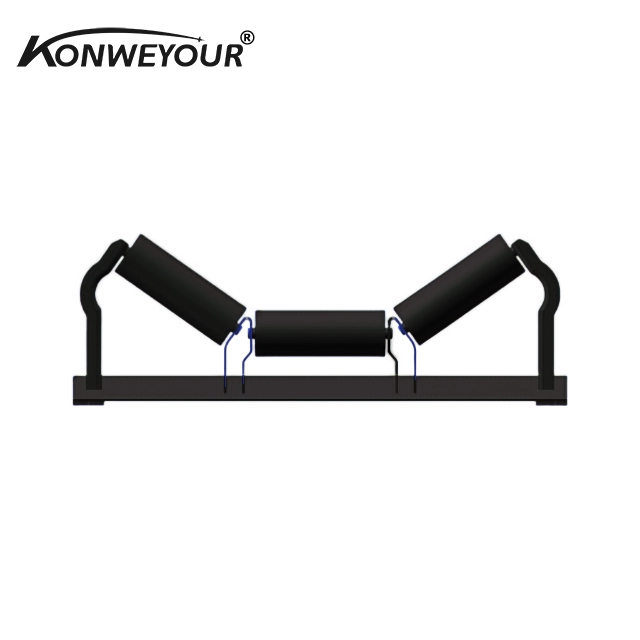
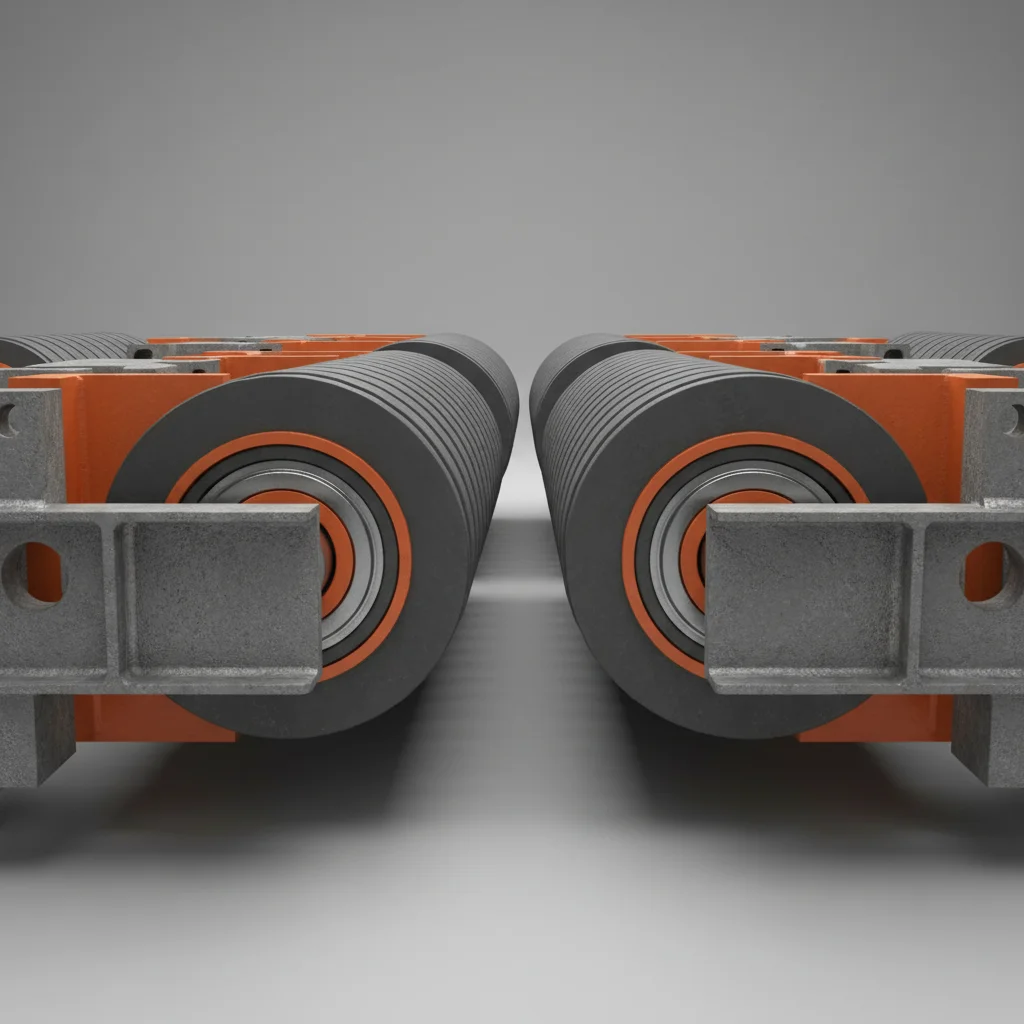
Steel conveyor rollers are fundamental to the functionality of belt conveyor systems. They support the conveyor belt and facilitate the movement of materials. The integration of bearings within these rollers is crucial, as they reduce friction, increase load capacity, and enhance operational efficiency. Without bearings, the energy expenditure to move the belt would be dramatically higher, and the rollers themselves would wear out much faster. The type of bearing used significantly impacts the roller’s performance, durability, and suitability for specific applications. Choosing the right bearing is therefore a critical step in maximizing the lifespan and efficiency of your conveyor system. You can browse our selection of high-quality rollers on our website.
Key Benefits: Reduced friction, increased load capacity, enhanced operational efficiency, extended roller lifespan, and improved conveyor system performance.
Common Bearing Types Used in Steel Conveyor Rollers
Several types of bearings are commonly used in steel conveyor rollers, each offering unique advantages and disadvantages. The most prevalent are ball bearings, roller bearings (including tapered and cylindrical roller bearings), and sleeve bearings. Ball bearings are cost-effective and suitable for lighter loads and higher speeds. Roller bearings excel at handling heavier loads and provide superior shock resistance. Sleeve bearings, while less expensive, require more frequent lubrication and are best suited for lower speed, lower-load applications. Selecting the appropriate bearing depends on the specific demands of your conveyor system.
Bearing Type Comparison:
• Ball Bearings: Cost-effective, suitable for lighter loads & higher speeds.
• Roller Bearings: Handles heavier loads, superior shock resistance.
• Sleeve Bearings: Lower cost, requires frequent lubrication, best for low speed/load.
Steel Material and Construction: Impact on Performance
The material used in the construction of the steel roller itself is equally important. Carbon steel is a common choice due to its strength and affordability, but stainless steel is often preferred in corrosive environments. The thickness of the steel also plays a role, with heavier-gauge steel providing greater durability and load-bearing capacity. Surface treatments, such as galvanizing or powder coating, can further enhance corrosion resistance and extend the roller’s lifespan. Consider the materials being conveyed and the operating environment when selecting the appropriate steel grade and coating.
| Steel Type |
Pros |
Cons |
Typical Applications |
| Carbon Steel |
High strength, cost-effective |
Susceptible to corrosion |
Dry, indoor environments |
| Stainless Steel |
Excellent corrosion resistance, durable |
Higher cost |
Wet, corrosive environments |
Selecting the Right Steel Conveyor Rollers for Your Application
Choosing the correct steel conveyor rollers with bearings involves carefully considering several factors. These include the load capacity requirements, the speed of the conveyor, the operating environment (temperature, humidity, potential for corrosion), and the type of material being conveyed. It’s also important to consider the maintenance requirements of different bearing types. Proactive maintenance, including regular lubrication and inspection, can significantly extend the lifespan of your rollers and minimize downtime.
Where to Find Reliable Steel Conveyor Rollers
Finding a reputable supplier is paramount when purchasing steel conveyor rollers with bearings. JT Conveyor offers a wide range of high-quality rollers designed to meet diverse industrial needs. We specialize in providing customized solutions and expert advice to ensure you select the optimal rollers for your specific application. Our commitment to quality and customer satisfaction sets us apart.
Conclusion: Investing in Quality for Optimal Performance
Investing in high-quality steel conveyor rollers with bearings is a strategic decision that can significantly impact your operational efficiency and reduce long-term costs. By carefully considering the factors outlined in this guide and partnering with a reliable supplier like JT Conveyor, you can ensure a smooth and reliable material handling process.
Frequently Asked Questions (FAQs)
What is the typical lifespan of steel conveyor rollers with bearings?
The lifespan varies significantly based on factors like load, speed, operating environment, and maintenance. However, with proper lubrication and regular inspections, well-maintained rollers can last between 5 to 10 years. Extreme conditions, such as high temperatures, corrosive materials, or excessive shock loads, can shorten this lifespan. Periodic replacement based on visual inspection for wear and tear is recommended. JT Conveyor offers a comprehensive maintenance program to help you maximize the life of your rollers.
How often should I lubricate the bearings in my steel conveyor rollers?
Lubrication frequency depends on the bearing type and operating conditions. Generally, ball bearings require more frequent lubrication than roller bearings. A good rule of thumb is to lubricate every 3-6 months under normal operating conditions. In harsh environments or with heavy loads, more frequent lubrication may be necessary. Refer to the bearing manufacturer’s recommendations for specific guidance. JT Conveyor can provide customized lubrication schedules and training for your team.
What are the signs that a steel conveyor roller needs to be replaced?
Several signs indicate the need for roller replacement. These include excessive noise, vibration, difficulty rotating, visible wear or damage to the roller or bearings, and increased energy consumption. If you notice any of these symptoms, it's crucial to inspect the rollers and replace them if necessary. Ignoring these signs can lead to system failures and costly downtime. Contact JT Conveyor for a professional assessment.