
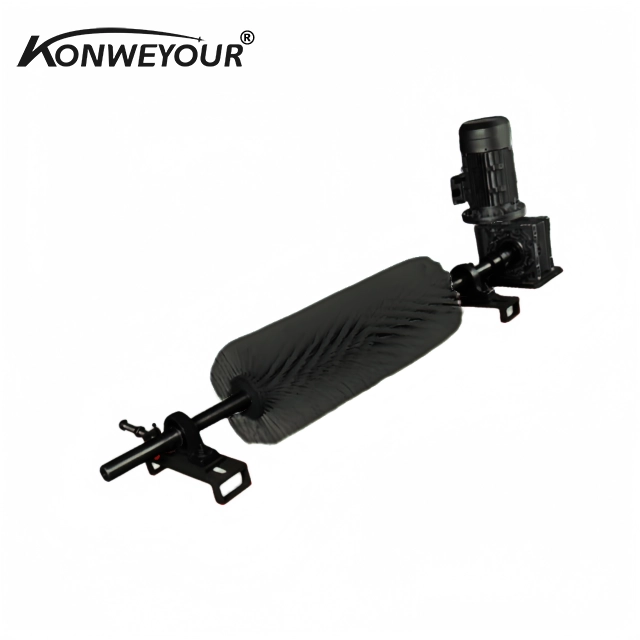
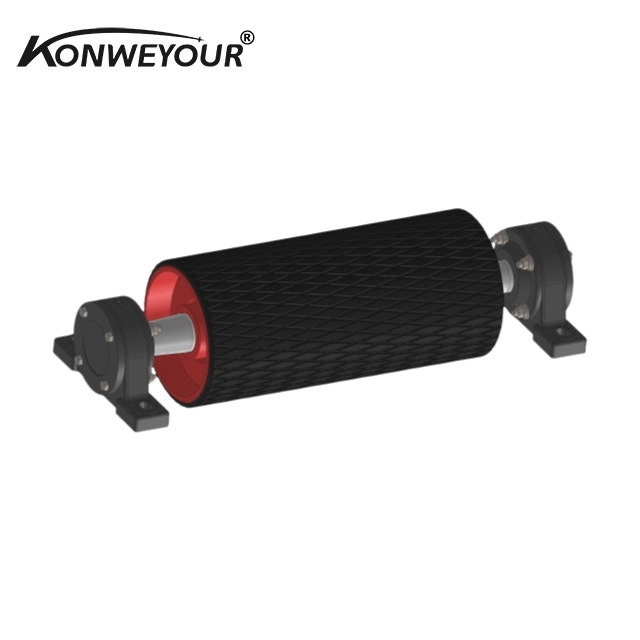
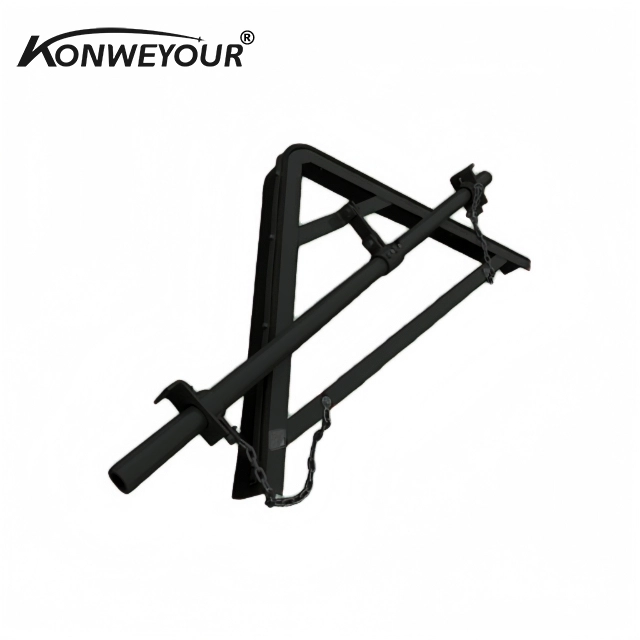
Industrial Grade conveyor transfer systems for UK Mining

Industrial Grade conveyor transfer systems for UK Mining

Engineering high-efficiency material handling solutions tailored for the rigorous demands of the United Kingdom's industrial and extractive sectors.

Industrial Grade conveyor transfer systems for UK Mining

Integrating advanced automation and heavy-duty durability to optimize bulk material flow across diverse UK geological terrains.

Current Landscape of Material Handling in the United Kingdom

Analyzing the synergy between heritage mining and modern environmental standards in Britain.

The United Kingdom's current industrial environment is characterized by a transition toward sustainable extraction. In regions like the North of England and Scotland, the demand for a robust conveyor system has evolved to prioritize energy efficiency and low-emission operation to meet strict UK Net Zero targets.

Due to the damp British climate, corrosion resistance has become a critical technical requirement. Modern facilities are increasingly upgrading their conveyor components to include high-grade galvanized steel and synthetic polymers that withstand the high humidity and saline air common in coastal industrial hubs.

Furthermore, the integration of IoT-based monitoring is now standard in the UK, where predictive maintenance is used to prevent costly downtime in deep-pit operations, ensuring that the flow of materials remains uninterrupted despite the challenging underground geography.

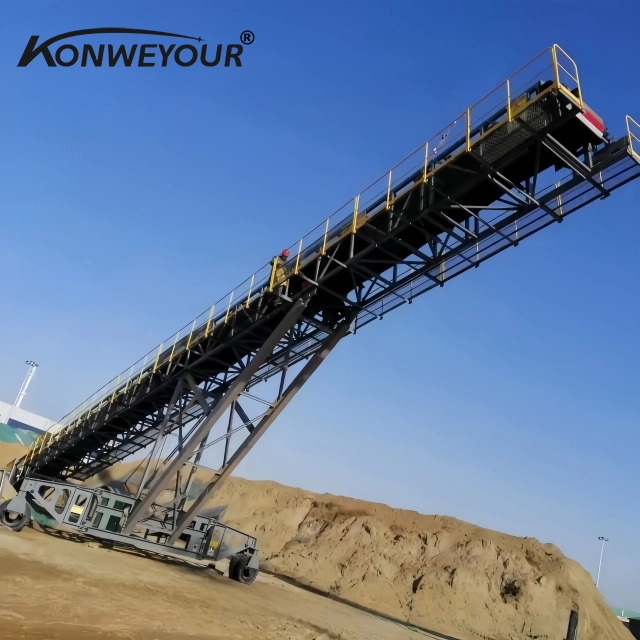
Evolution and Trajectory of UK Conveyance Technology

From the mechanical belts of the Industrial Revolution to the intelligent systems of today.

Market Development History

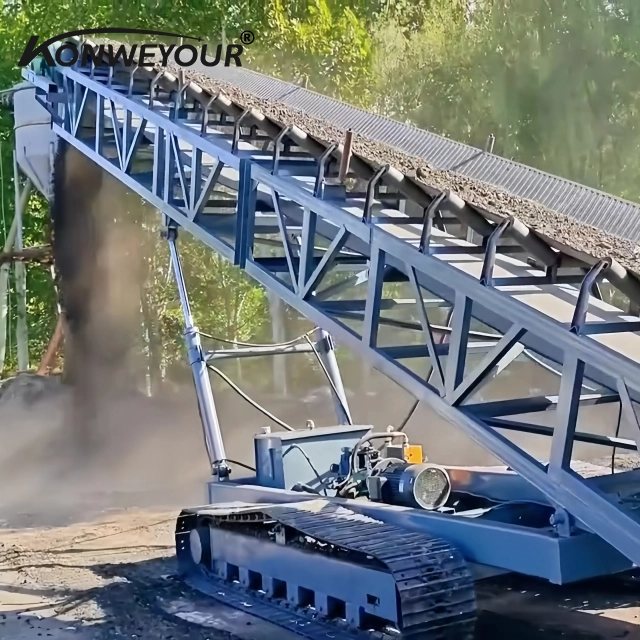
During the mid-20th century, the UK relied heavily on traditional mechanical belts. The classic coal mine conveyor was the backbone of the British economy, utilizing simple motor-driven systems designed for massive volume but with limited control over belt tension and speed.

Between 1990 and 2010, the industry shifted toward modularity. The introduction of standardized conveyor components allowed for faster repairs and customized configurations, reducing the reliance on bespoke, hard-to-maintain machinery in aging mine shafts.

From 2015 onwards, the focus shifted to "Smart Conveying." The adoption of Variable Frequency Drives (VFDs) and automated sensors transformed the mine conveyor into a data-driven asset, optimizing energy consumption based on real-time load weights.

Future Development Trends

AI-Driven Predictive Logistics

Expect a surge in AI integration where systems automatically adjust speeds and routes to prevent bottlenecks, which is a growing search trend among UK logistics managers.

Carbon-Neutral Drive Systems

The transition toward hydrogen-powered or fully electric high-torque drives to eliminate carbon footprints in underground mining environments.

Advanced Composite Belting

Development of self-healing, ultra-high-molecular-weight polyethylene belts that reduce friction and wear, significantly lowering the cost of ownership.

Future Trends and Industrial Outlook for UK Conveyance

Strategic forecasts for the next 3-5 years in the material handling sector.

Energy Optimization
Implementing regenerative braking systems to feed energy back into the grid during downhill conveyor transport.
Remote Diagnostics
Using 5G connectivity for real-time monitoring of belt alignment and motor health from remote control centers.
Modular Scalability
Adopting "Plug-and-Play" sections that allow UK mines to expand their capacity without total system redesign.
Autonomous Integration
Synchronizing conveyor speeds with autonomous haulage trucks for seamless material handover.

Industry Outlook

The trajectory of the UK market points toward a "Lean-Green" philosophy. Google search trends indicate a significant rise in queries related to "automated mine safety" and "low-friction belt systems," suggesting that UK operators are prioritizing risk mitigation over raw throughput.

Over the next five years, we anticipate that the integration of machine learning for predictive wear analysis will become the primary differentiator in the market, shifting the industry from reactive repair to proactive optimization.

Localized Applications in the United Kingdom

Real-world deployment of our conveyance solutions across UK industries.

01. Aggregate Quarries in the Cotswolds

Deployment of heavy-duty belts for limestone extraction, focusing on dust suppression and noise reduction to comply with local environmental regulations.

02. Deep-Pit Potassium Mining in North Yorkshire

Implementation of specialized mine conveyor systems designed for high-moisture environments and steep inclines.

03. Industrial Bulk Handling in Teesside

Installation of high-speed conveyor transfer systems for the efficient movement of raw materials from ports to processing plants.

04. Legacy Coal Mine Rehabilitation in Wales

Retrofitting old coal mine conveyor lines with modern, energy-efficient motors to support land remediation projects.

05. Urban Waste Management in Greater London

Applying compact, high-torque conveyor systems for sorting municipal solid waste in space-constrained urban facilities.

Brand Story

Global Development Journey of Hebei Juntong Machinery Manufacturing Co., Ltd.

Foundational Engineering

Established with a mission to solve the most critical failures in bulk material handling, we began by perfecting the durability of conveyor frames.

Technical Breakthroughs

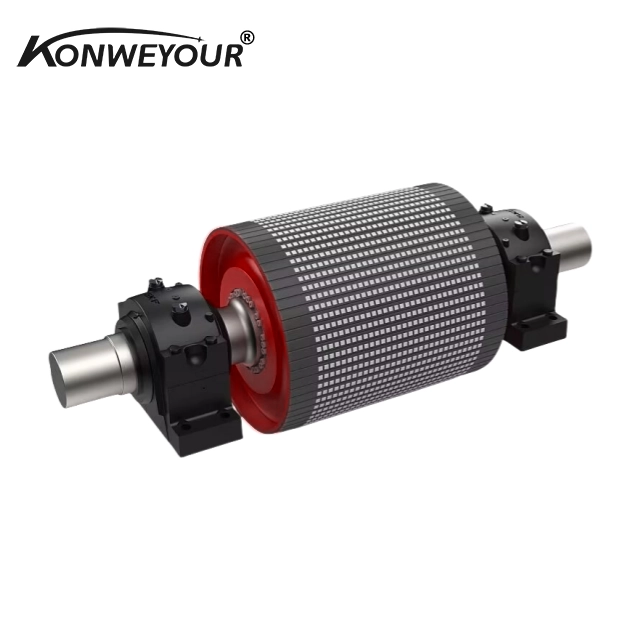
Developed proprietary alloys for rollers and pulleys, significantly extending the lifespan of systems operating in abrasive mining environments.

Global Market Expansion

Expanded our footprint into the European market, adapting our designs to meet rigorous UK and EU safety and environmental certifications.

Intelligence Integration

Launched our "Smart-Flow" series, integrating sensor networks into conveyor systems for real-time operational transparency.

Commitment to Sustainability

Now focusing on reducing the carbon footprint of industrial transport, aiming to be the leading provider of green conveyor solutions globally.

UK Industry FAQ: Conveyor Systems

Addressing common technical and regulatory queries from British operators.

How do I select the right conveyor system for damp UK underground environments?

We recommend using hot-dip galvanized steel frames and moisture-resistant belt compounds to prevent corrosion and slippage caused by high humidity.

Are your conveyor components compliant with UK Health and Safety (HSE) standards?

Yes, all our components are engineered to meet or exceed UK HSE regulations, including emergency stop integration and guarding requirements.

What is the typical lead time for bespoke conveyor transfer systems in Britain?

Lead times vary by complexity, but typically range from 6 to 12 weeks, including design approval and logistics to your UK site.

Can you retrofit a modern mine conveyor into an existing legacy shaft?

Absolutely. We specialize in modular retrofitting, allowing us to replace old drive units and belts without requiring extensive structural changes.

How can I reduce energy costs for my coal mine conveyor operations?

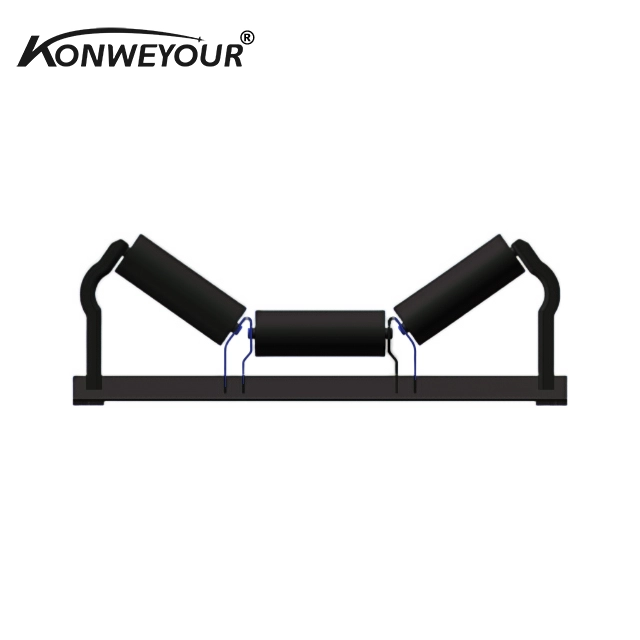
Implementing VFDs and low-rolling-resistance idlers can reduce energy consumption by up to 20% depending on the load profile.

What maintenance schedule is recommended for conveyor components in high-abrasion mines?

We suggest bi-weekly inspections of belt alignment and monthly lubrication of bearings, supplemented by quarterly ultrasound wear analysis.

Request a Technical Consultation

Ready to optimize your material flow? Our engineers are available to provide customized solutions across the United Kingdom.

Contact Us Now

If you are interested in our products, you can choose to leave your information here, and we will be in touch with you shortly.

  • captcha