
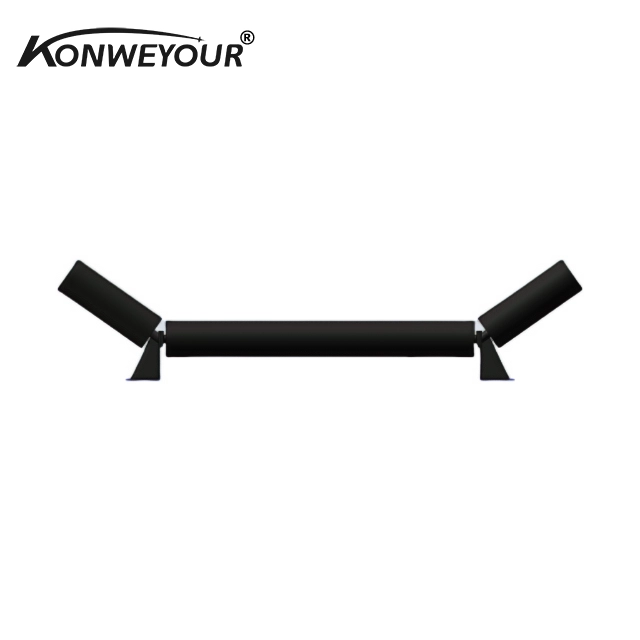
Advanced conveyor transfer systems for South Korea’s Mining Industry

  • Home
  • Global Service
  • Advanced conveyor transfer systems for South Korea’s Mining Industry

Advanced conveyor transfer systems for South Korea's Mining Industry

Engineering high-efficiency material handling solutions tailored for the rugged demands of South Korean industrial landscapes.

Advanced conveyor transfer systems for South Korea's Mining Industry

Providing South Korean enterprises with integrated material transport logic, focusing on durability and seamless integration for heavy-duty mining operations.

Material Handling Landscape in South Korea

Analyzing the synergy between geographic constraints and technical requirements.

South Korea's industrial sector is characterized by high-density operations and a mountainous terrain, which necessitates a highly specialized conveyor system. The demand for precision and space-saving layouts is paramount in Korean manufacturing hubs.

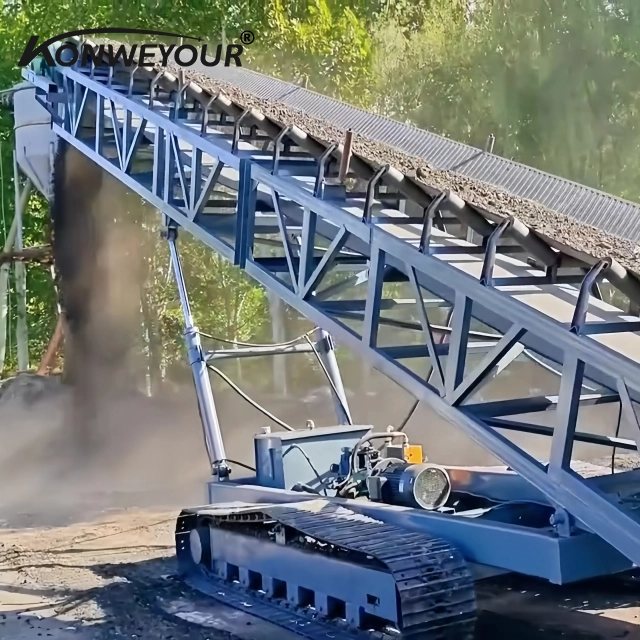
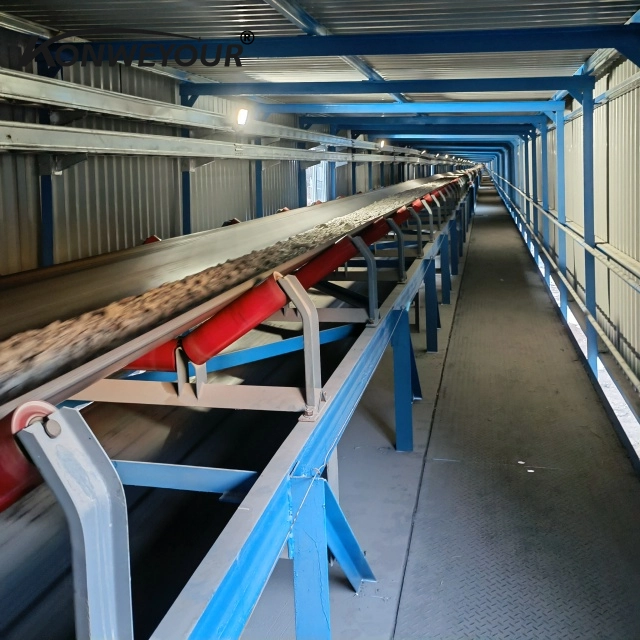
In the extraction sector, the use of a robust mine conveyor is critical to maintain productivity amidst the complex geological strata found in regional mines, where safety regulations are among the strictest in Asia.

Furthermore, the reliance on imported energy resources has led to a sophisticated infrastructure for coal mine conveyor operations at major port terminals, requiring systems that can withstand high humidity and saline environments.
Evolution of Continuous Conveying in Korea

From mechanical simplicity to intelligent automation.

Market Development History

During the 1970s-1980s, the focus was on basic mechanical transport. Early systems relied on simple belt drives with minimal automation, primarily serving the rapid growth of the steel and shipbuilding industries.

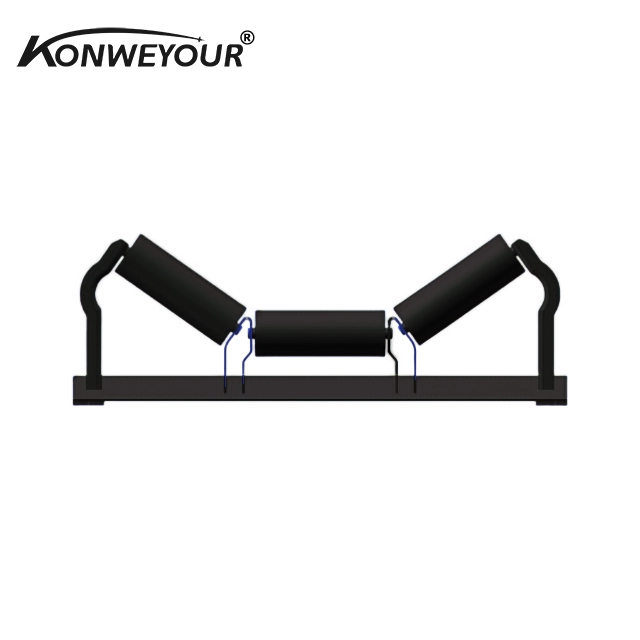
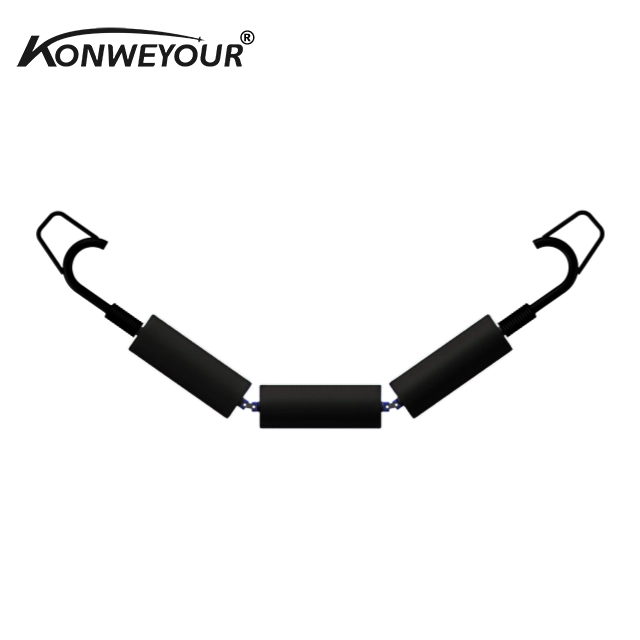
By the early 2000s, the industry transitioned toward modularity. The introduction of specialized conveyor components allowed for faster installation and easier maintenance, reducing downtime in 24/7 production cycles.

From 2015 to the present, the shift has been toward "Smart Conveying," integrating IoT sensors and variable frequency drives (VFDs) to optimize energy consumption and predict component failure.

Future Development Trends

AI-Driven Predictive Maintenance

The integration of machine learning to monitor belt tension and roller wear in real-time, reducing unplanned stoppages in heavy industry.

Eco-Friendly Energy Recovery

Implementing regenerative braking systems in downhill conveyors to feed electricity back into the industrial grid, aligning with Korea's "Green New Deal."

High-Tensile Composite Materials

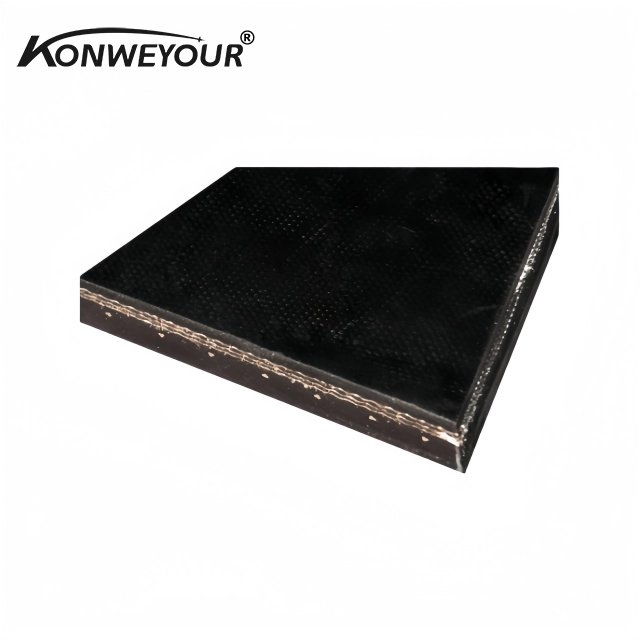
Replacing traditional steel-cord belts with advanced polymers to increase load capacity while reducing the overall weight of the structure.

Future Trends & Strategic Outlook

Anticipating the next leap in material handling technology.

Hyper-Automation
Transitioning to fully autonomous conveyor networks that adjust speed based on real-time sensor data.
Modular Scalability
Rapidly deployable conveyor sections to allow industrial plants to expand capacity without total shutdowns.
Carbon Neutrality
Integrating electric-drive systems and sustainable materials to minimize the carbon footprint of logistics.
Remote Operations
Centralized control rooms managing multiple conveyor sites via 5G connectivity and digital twin technology.

Industry Outlook

The South Korean market is expected to see a surge in demand for "smart" material handling. Based on search trends for industrial automation in East Asia, there is a clear pivot toward integrated software-hardware ecosystems.

We anticipate that the next 3-5 years will focus on the total synchronization of conveyor components with AI, transforming the conveyor from a simple transport tool into a data-generating asset.

Localized Application Scenarios in South Korea

Practical implementations across various Korean industrial sectors.

01. Gwangyang Port Bulk Terminal

Implementation of high-capacity coal mine conveyor systems for the efficient unloading and inland transport of energy resources.

02. Gangwon-do Mining Operations

Deploying ruggedized mine conveyor units capable of handling steep inclines and extreme temperature fluctuations in mountainous regions.

03. Ulsan Heavy Industry Clusters

Integration of complex conveyor transfer systems for transporting heavy steel components between fabrication workshops.

04. Incheon Logistics Hubs

Advanced conveyor system layouts for sorting and distributing industrial parts with high throughput precision.

05. Pohang Steel Manufacturing

Utilization of heat-resistant conveyor components to transport raw materials through high-temperature processing zones.

Brand Story

Global Development Journey of Hebei Juntong Machinery Manufacturing Co., Ltd.

Industrial Foundations

Established with a focus on core mechanical engineering, bridging the gap between raw production and efficient transport.

Technological Breakthrough

Developed patented belt-tracking technology to solve the chronic issue of material spillage in high-speed conveyors.

Global Expansion

Entering the Asian market, specifically South Korea, by tailoring equipment to meet rigorous ISO and local safety standards.

Smart Integration

Partnering with software firms to integrate IoT monitoring, transforming traditional machinery into intelligent systems.

Sustainable Mission

Dedicated to solving the pain points of energy waste in heavy industry through low-friction engineering and green power.

Comprehensive Conveying Portfolio for South Korea

Full-spectrum solutions from individual components to turnkey plant installations.

Common Questions for the Korean Market

Technical insights and operational guidance.

How to optimize a conveyor system for high-humidity coastal areas in Korea?

We utilize specialized corrosion-resistant coatings and stainless steel conveyor components to prevent oxidation in humid environments like Busan or Incheon.

What are the safety certifications required for a mine conveyor in South Korea?

Our systems comply with KOSHA (Korea Occupational Safety and Health Agency) standards, ensuring all emergency stops and guards meet local legal requirements.

Can a coal mine conveyor be adapted for other bulk minerals?

Yes, by adjusting the belt grade and roller material, our systems can be adapted for limestone, iron ore, or other industrial aggregates.

What is the average lead time for custom conveyor transfer systems?

Depending on complexity, lead times typically range from 8 to 14 weeks, including engineering design, fabrication, and quality testing.

How do you handle maintenance for conveyor components in remote Korean provinces?

We provide comprehensive remote diagnostic support and maintain a strategic inventory of spare parts for rapid dispatch to any site in South Korea.

Are your systems compatible with existing PLC automation in Korean factories?

Absolutely. Our control systems are designed for open-protocol integration, ensuring seamless communication with Siemens, Mitsubishi, or LS Electric PLCs.

Get Professional Engineering Support

Ready to upgrade your material handling efficiency? Our experts are available for consultation across South Korea.

Contact Us Now

If you are interested in our products, you can choose to leave your information here, and we will be in touch with you shortly.

  • captcha