
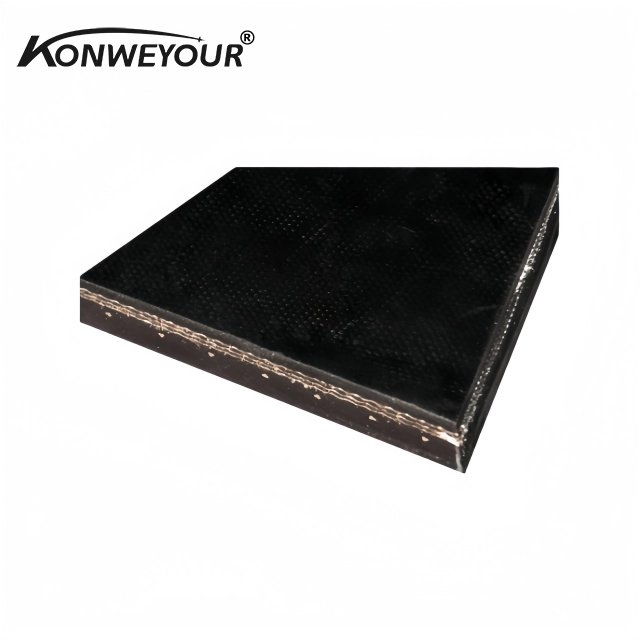
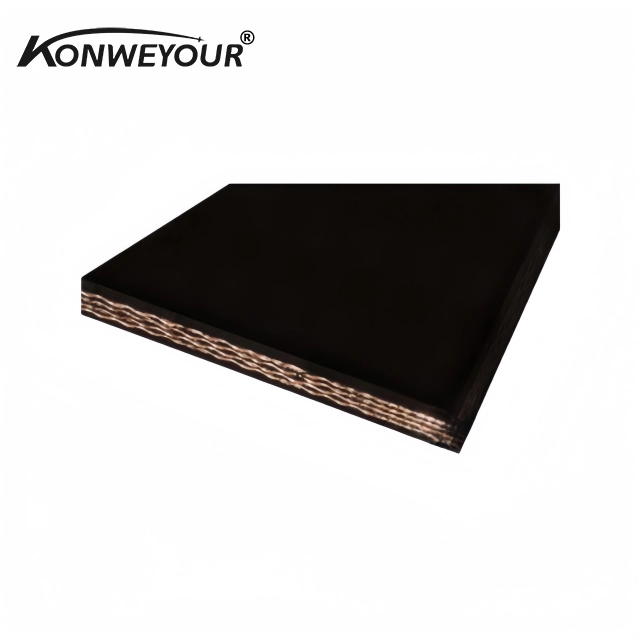
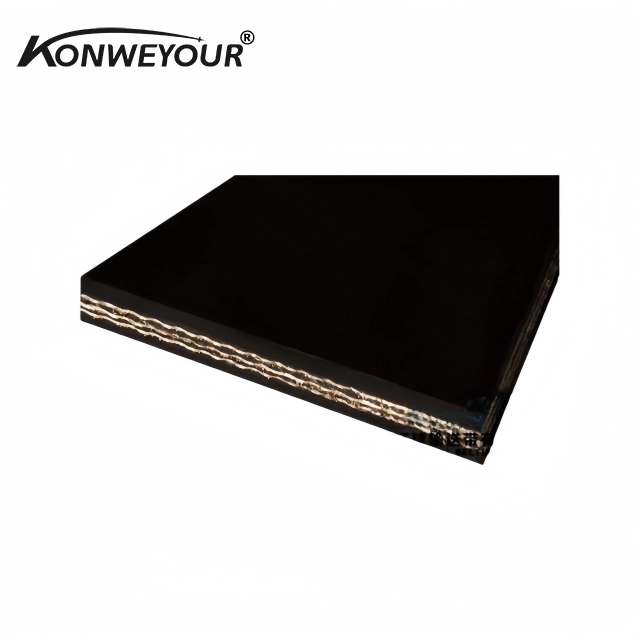
HeavyDuty coal mine conveyor Solutions for North Korea

Heavy-Duty coal mine conveyor Solutions for North Korea

Engineered for extreme terrains and high-capacity extraction in the demanding mining environments of North Korea.

Heavy-Duty coal mine conveyor Solutions for North Korea

Providing robust, high-efficiency material handling systems specifically designed to withstand the rigorous industrial requirements and geological challenges of the North Korean mining sector.

Mining Logistics Landscape in North Korea

Analyzing the current operational state of material transport in the region.

The industrial landscape in North Korea relies heavily on its vast mineral reserves, where the deployment of a reliable conveyor system is critical for national energy security. However, many existing facilities still operate with legacy equipment that struggles with the region's extreme seasonal temperature fluctuations.

Geographically, the mountainous terrain of North Korea necessitates specialized mine conveyor designs that can handle steep inclines and unstable geological strata. The current focus is on transitioning from manual or low-capacity hauling to automated continuous transport to increase daily tonnage.

Operational efficiency is currently hindered by a shortage of high-precision conveyor components, leading to increased downtime. There is a growing urgent demand for wear-resistant belts and heavy-duty rollers that can withstand the abrasive nature of local anthracite coal.
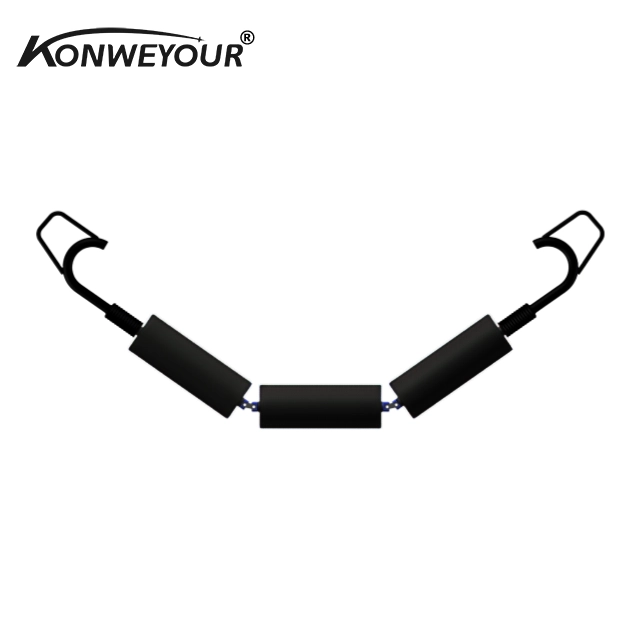
Evolution of Material Handling in North Korea

From traditional mechanical hauling to modern integrated transport.

Market Development History

In the early industrial phase (pre-1990s), the region relied primarily on basic belt systems and rail-based carts. These systems were purely mechanical, requiring high labor intensity and offering limited throughput for deep-vein mining.

Between 2000 and 2015, there was a gradual shift toward integrating basic electrical drives and reinforced steel frames. This period saw the introduction of more durable conveyor transfer systems to bridge the gap between extraction points and processing plants.

From 2016 to the present, the focus has pivoted toward "Industrial Modernization," emphasizing the adoption of high-tensile belts and automated sensors to reduce human risk in hazardous underground environments.

Future Development Trends

Intelligent Monitoring Integration

Integration of IoT-based sensors to monitor belt tension and heat in real-time, reducing catastrophic failures in deep mines.

Eco-Friendly Drive Systems

Transitioning toward high-efficiency motors to reduce power consumption in energy-constrained mining districts.

Advanced Wear-Resistant Materials

Adopting nano-composite coatings for all critical components to extend the lifecycle of equipment in abrasive coal environments.

Industry Outlook and Strategic Projections

Forecasting the trajectory of continuous transport technology.

Modular Standardization
Shifting toward modular conveyor components to allow rapid on-site replacement and minimal downtime.
High-Angle Transport
Development of sandwich belt technology for steeper inclines in North Korea's rugged mining topography.
Automated Loading
Implementation of precision conveyor transfer systems to eliminate manual handling at transfer points.
Smart Diagnostics
Predictive maintenance algorithms to detect belt wear before failure, specifically for heavy-duty mining.

Industry Outlook

Based on global search trends for mining automation, we anticipate that the North Korean market will increasingly demand integrated solutions rather than individual parts. The convergence of structural durability and digital monitoring will define the next generation of extraction systems.

Future growth will be driven by the need to access deeper ore bodies, requiring higher tensile strength belts and more complex multi-stage transfer systems to ensure continuous flow from the face to the surface.

Local Application Scenarios in North Korea

Real-world implementations tailored to regional geography and industry.

01. Deep Anthracite Coal Extraction

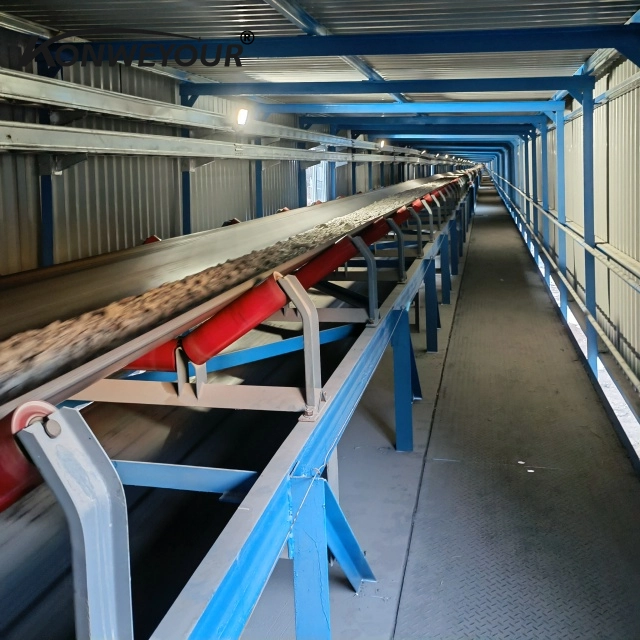
Implementation of high-capacity coal mine conveyor lines in the Pyongan province, utilizing flame-retardant belts for safe underground transport.

02. Mountainous Ore Transport

Deploying long-distance mine conveyor systems across steep valleys to connect remote excavation sites with central refineries.

03. Industrial Mineral Processing

Installation of precise conveyor transfer systems within processing plants to automate the movement of crushed minerals between sorting stages.

04. Heavy-Duty Port Loading

Designing high-throughput conveyor lines for the export of raw minerals at North Korean coastal ports, emphasizing corrosion-resistant frames.

05. Underground Infrastructure Maintenance

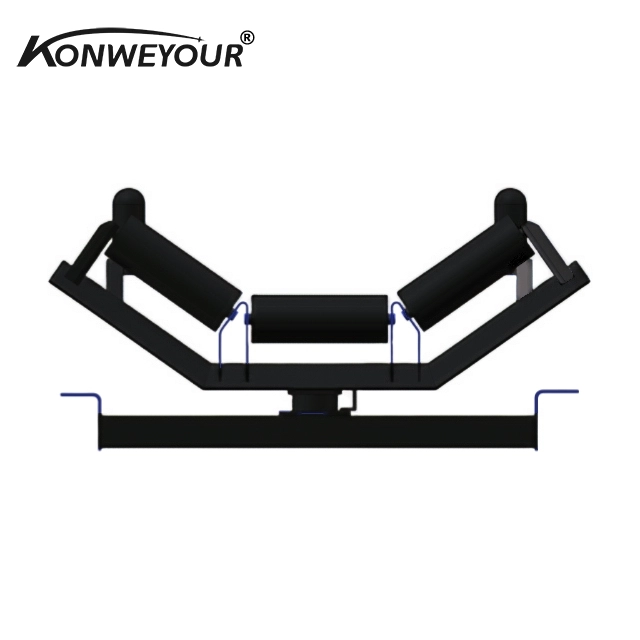
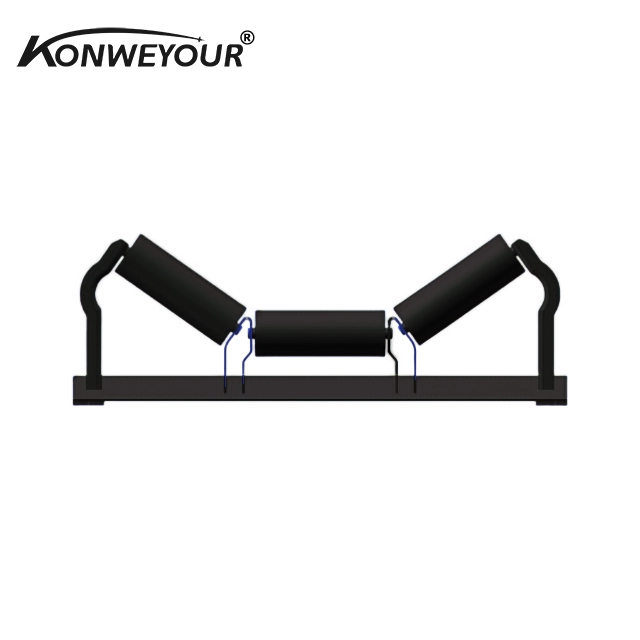
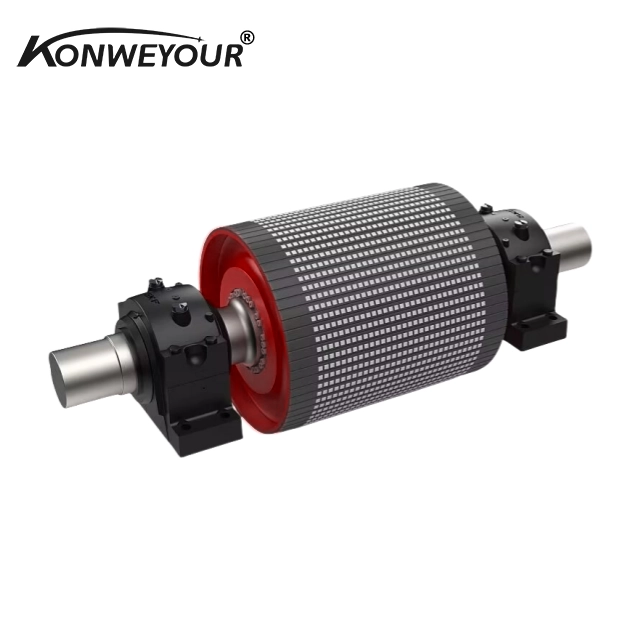
Retrofitting existing shafts with modernized conveyor components, including heavy-duty impact idlers and high-torque drive pulleys.

Brand Story

Global Development History of Hebei Juntong Mechanical Manufacturing Co., Ltd.

Foundational Excellence

Established with a mission to solve the core inefficiencies in bulk material handling through precision engineering and heavy-duty design.

Technological Breakthroughs

Developed proprietary wear-resistant alloy components that significantly extended the service life of mining conveyors in abrasive environments.

Global Expansion

Expanded our footprint into Asia, providing tailored solutions for the unique geological challenges of the North Korean and East Asian mining sectors.

Quality Certification

Achieved international standards in manufacturing, ensuring every system is built for maximum safety and operational reliability.

Future Vision

Committed to leading the transition toward intelligent, energy-efficient conveyor systems for the global mining industry.

Comprehensive Conveyor Portfolio for North Korea

A full range of equipment designed for durability, efficiency, and high-load capacity.

Common Questions Regarding Mining Conveyors in North Korea

Expert answers to technical and operational challenges.

How to maintain a coal mine conveyor in extreme cold weather?

Use low-temperature resistant rubber compounds for belts and specialized lubricants for rollers to prevent cracking and seizing during harsh winters in North Korea.

What are the best conveyor components for abrasive anthracite coal?

We recommend ceramic lagging for drive pulleys and high-density polyethylene (HDPE) idlers to minimize friction and wear from abrasive coal particles.

Can a conveyor system be installed on steep inclines in mountainous areas?

Yes, by utilizing cleated belts or specialized high-friction belt materials, we can design systems capable of transporting materials up steep gradients without slippage.

How to optimize conveyor transfer systems to reduce dust emissions?

Installing enclosed chutes and dust suppression sprays at every transfer point significantly reduces airborne particulates and improves mine safety.

What is the expected lifespan of a heavy-duty mine conveyor belt?

Depending on the material and load, our high-tensile belts typically last 5-10 years, provided that routine maintenance and proper tracking are performed.

Are your conveyor systems compatible with existing legacy equipment?

Yes, we specialize in hybrid integration, providing modern drive units and components that can be retrofitted into older structural frameworks.

Ready to Optimize Your Mining Operations?

Our engineering team is ready to provide high-performance material handling solutions across North Korea.

Contact Us Now

If you are interested in our products, you can choose to leave your information here, and we will be in touch with you shortly.

  • captcha