
HighEfficiency Mine Conveyor Solutions for Zambia Mining Sector

High-Efficiency Mine Conveyor Solutions for Zambia Mining Sector

Optimizing bulk material handling with robust engineering tailored for the Copperbelt and beyond.

High-Efficiency Mine Conveyor Solutions for Zambia Mining Sector

We provide heavy-duty material transport systems designed to withstand the rigorous demands of Zambian mineral extraction, ensuring seamless flow from pit to plant.

Operational Landscape of Bulk Handling in Zambia

Analyzing the challenges and requirements of the Zambian extractive industry.

Zambia's mining landscape, particularly in the Copperbelt and North-Western provinces, is characterized by deep-pit mining and extensive haulage distances. The reliance on a sophisticated conveyor system is critical for maintaining the productivity of copper and cobalt mines, where high throughput is non-negotiable.

Climate factors, including the intense rainy season, place significant stress on equipment. Corrosion and moisture ingress often lead to premature wear of conveyor components, requiring materials that offer superior weather resistance and lower maintenance intervals to avoid costly downtime.

Economically, the shift toward diversifying mineral output means that existing infrastructure must be adaptable. There is an increasing demand for versatile conveyor transfer systems that can handle varying ore grades and densities without compromising belt integrity or energy efficiency.
Evolution of Material Handling Technology

From basic belt transport to intelligent automated haulage.

Market Development History

In the early stages of Zambia's mining boom, transport relied on basic, manually operated belt systems. These early installations focused on simple point-to-point movement with limited capacity and high manual intervention for maintenance.

By the 2000s, the industry transitioned toward heavy-duty mechanized systems. The introduction of reinforced steel-cord belts allowed for longer flights and higher loads, marking the rise of the professional coal mine conveyor architecture for power generation and industrial heating sectors.

From 2015 to the present, the focus has shifted toward "Smart Mining." This era integrates sensors, Variable Frequency Drives (VFDs), and real-time monitoring to optimize belt speed and energy consumption based on actual load weight.

Future Development Trends

AI-Driven Predictive Maintenance

Integrating IoT sensors into all major components to predict bearing failure or belt rips before they occur, reducing unplanned stoppages in remote Zambian sites.

Green Energy Integration

The adoption of regenerative braking systems on downhill conveyors to feed electricity back into the mine's grid, lowering the carbon footprint of the operation.

High-Tension Modular Design

Moving toward modular, rapidly deployable sections that allow mines to expand their footprint quickly as new ore bodies are discovered.

Industry Trends and Future Outlook

Strategizing the next decade of continuous conveying technology.

Automation Integration
Replacing manual switches with fully automated PLC control systems to maximize throughput and safety.
Wear-Resistant Materials
Developing nano-ceramic coatings for rollers and chutes to combat the abrasive nature of Zambian ore.
Energy Recovery
Implementing kinetic energy recovery systems to reduce operational costs in deep-shaft conveyors.
Dynamic Scaling
Designing flexible transfer systems that can be reconfigured as mining veins shift.

Industry Outlook

Looking at Google search trends for industrial equipment in Africa, there is a sharp increase in queries for "automated bulk handling" and "sustainable mining tech." This indicates a shift in Zambian procurement toward long-term efficiency rather than lowest initial cost.

Over the next 3-5 years, we expect the integration of conveyor transfer systems with remote operation centers (ROC), allowing engineers to monitor the entire transport chain from a central hub in Lusaka or Kitwe.

Zambian Localized Application Scenarios

Real-world deployments of heavy-duty conveying technology.

01. Copper Ore Pit-to-Surface Transport

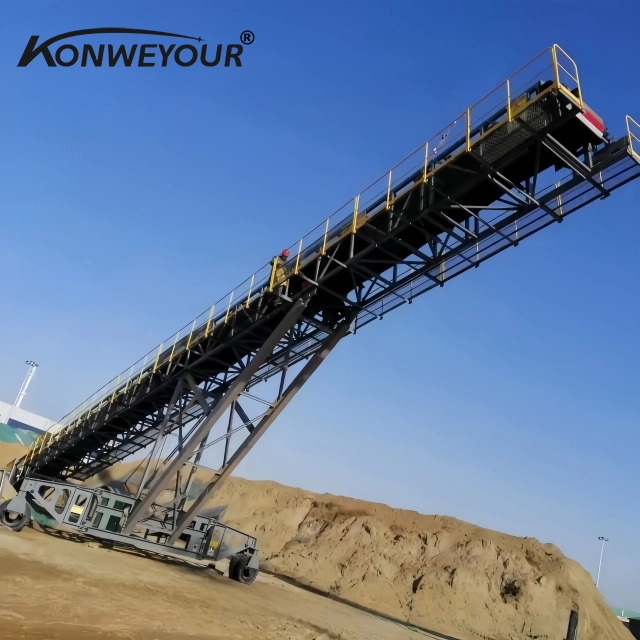
Implementing high-angle conveyors in deep open-pit mines in Solwezi to reduce the reliance on diesel haul trucks, significantly lowering carbon emissions.

02. Cobalt Tailings Management

Utilizing specialized conveyor system designs to move wet tailings to storage facilities without clogging or belt slippage.

03. Industrial Coal Feed for Power Plants

Deploying a rugged coal mine conveyor to ensure a constant fuel supply for local energy grids, featuring dust suppression systems.

04. Cross-Country Mineral Haulage

Building long-distance transport corridors that link remote extraction sites to processing plants, utilizing low-friction conveyor components.

05. Smelter Material Distribution

Integrating high-temperature resistant belts in smelter environments to move processed concentrates safely across the facility.

Brand Story

Global Development History of Hebei Juntong Machinery Manufacturing Co., Ltd.

Founding Vision

Established with the goal to solve the "last mile" efficiency gap in heavy industry material handling.

Technical Breakthrough

Developed proprietary alloy coatings for rollers, significantly extending the lifespan of equipment in abrasive environments.

Global Expansion

Successfully entered the African market, tailoring equipment to meet the unique geological demands of the Copperbelt.

Innovation Leadership

Pioneered the integration of AI diagnostics into large-scale belt systems for zero-downtime targets.

Sustainable Future

Committed to creating energy-neutral conveying solutions for the next generation of green mining.

Zambia Mining Conveyor FAQ

Expert answers to common technical and logistical questions.

How to choose the right belt for a heavy-duty mine conveyor in Zambia?

Selection depends on the ore's abrasiveness and moisture. For copper mines, we recommend steel-cord belts with an oil-resistant cover to withstand groundwater contamination.

What are the most critical conveyor components for high-humidity environments?

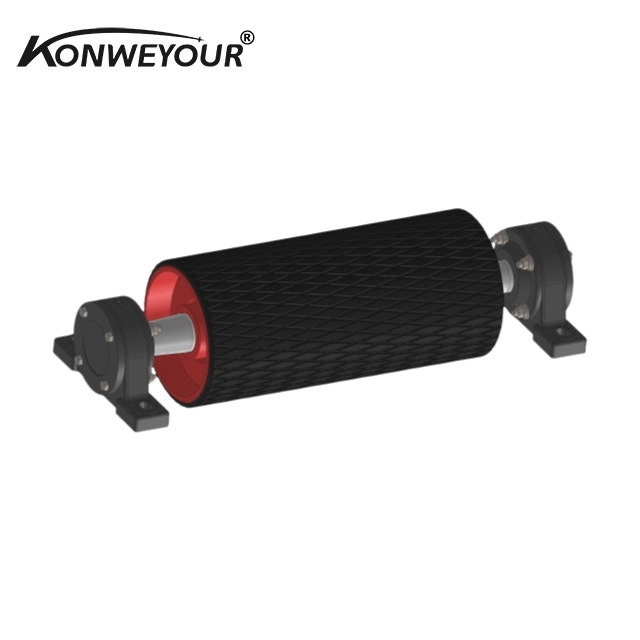
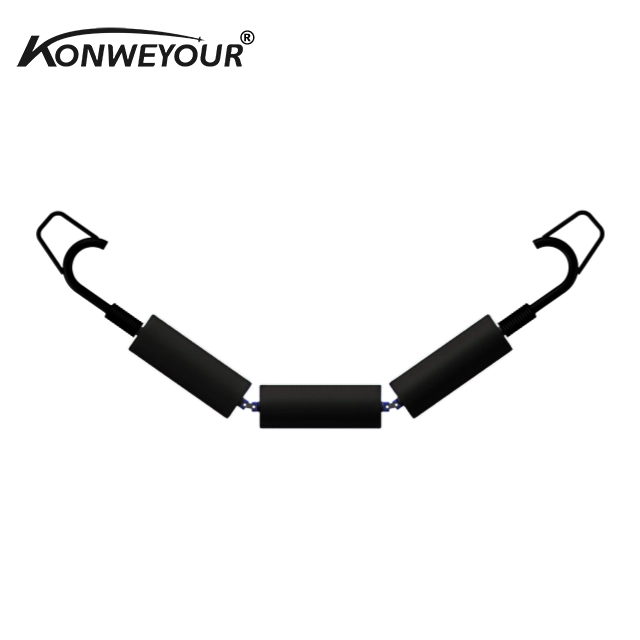
Corrosion-resistant idlers and sealed bearings are essential. Using stainless steel or galvanized coatings prevents premature failure during the Zambian rainy season.

Can you customize conveyor transfer systems for varying ore grades?

Yes, we design adjustable chutes and variable-speed drives that allow operators to tune the flow rate based on the density and volume of the material being transported.

How does a coal mine conveyor differ from a copper ore system?

Coal systems prioritize dust suppression and fire safety (anti-static belts), whereas copper ore systems focus on high tensile strength and impact resistance at loading points.

What is the typical lead time for a complete conveyor system delivery to Zambia?

Depending on the scale, production takes 4-8 weeks, with shipping to ports like Beira or Dar es Salaam and inland transit adding another 3-5 weeks.

Do you provide on-site installation for mine conveyor projects in the Copperbelt?

We provide comprehensive technical guidance, remote engineering support, and can dispatch specialized teams for commissioning and staff training on-site.

Get Your Custom Conveying Solution

Our engineers are ready to optimize your material handling efficiency in Zambia. Contact us today for a technical consultation.

Contact Us Now

If you are interested in our products, you can choose to leave your information here, and we will be in touch with you shortly.

  • captcha