Understanding Conveyor Pulley Lagging Material
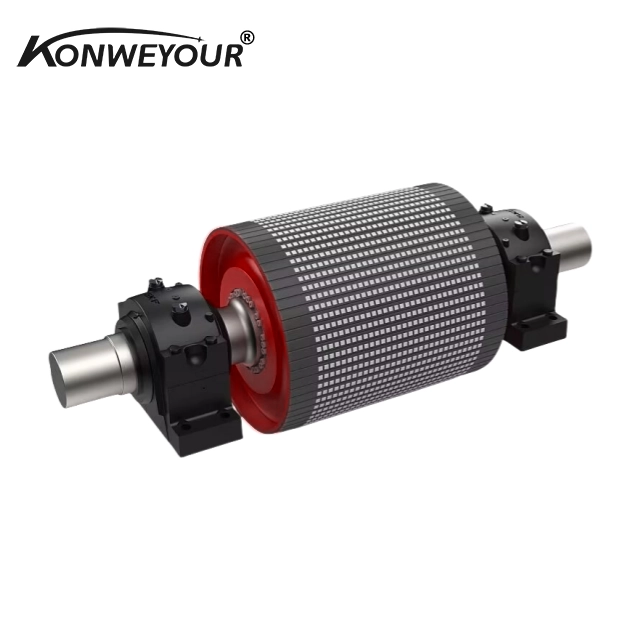
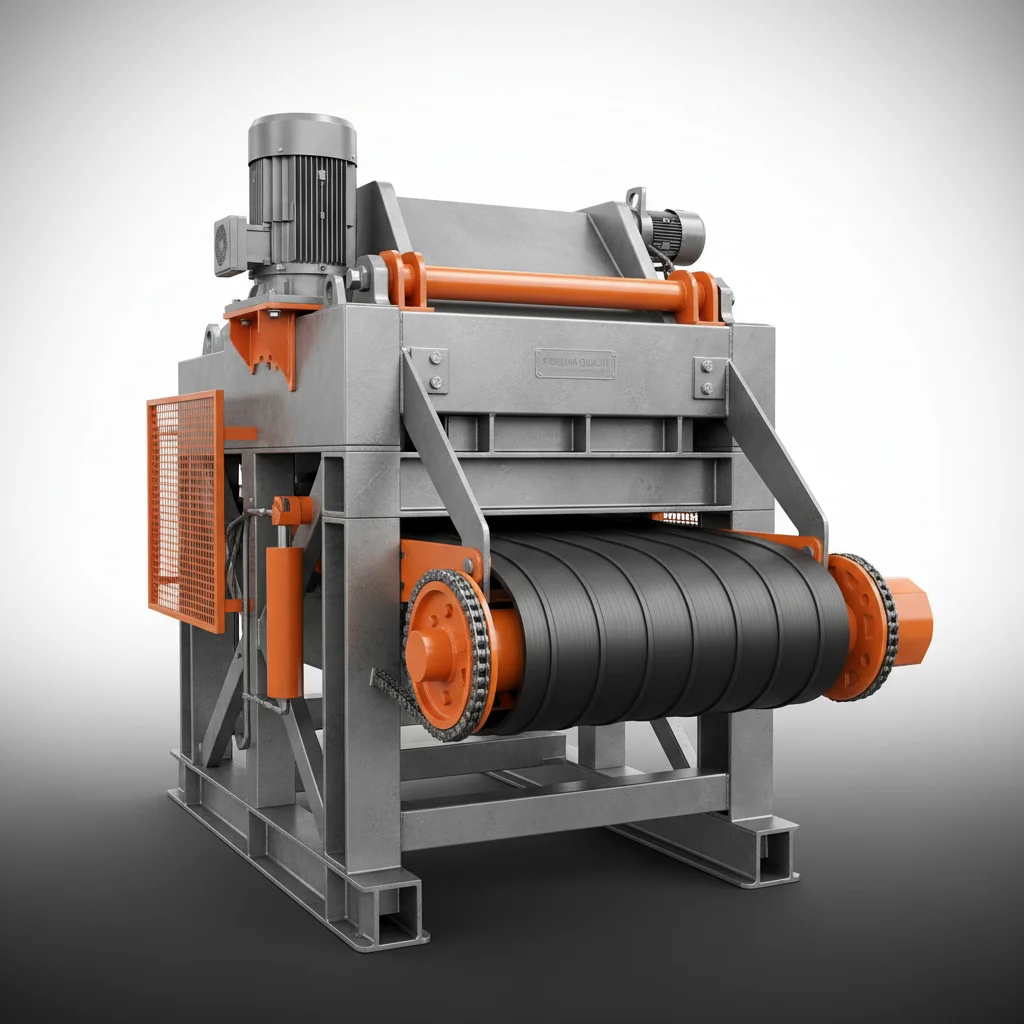
Efficient material handling relies heavily on the performance of conveyor systems. A critical, often overlooked, component is the conveyor pulley lagging material. This layer, bonded to the pulley surface, significantly impacts belt traction, reduces slippage, and extends the lifespan of both the belt and pulley. Choosing the right lagging material is essential for optimizing conveyor efficiency, minimizing downtime, and lowering overall operating costs. This article will explore the importance, types, benefits, and selection criteria of conveyor pulley lagging materials.
Why is Conveyor Pulley Lagging Material Important?
Without proper lagging, the friction between the belt and the pulley is insufficient, leading to slippage. Slippage causes energy loss, belt wear, and reduced conveying capacity. Pulley lagging increases the coefficient of friction, providing a more positive drive. Furthermore, lagging absorbs shock and impact loads, protecting the pulley shell from damage. It also prevents the build-up of material on the pulley surface, which can contribute to slippage and belt tracking issues. Properly selected lagging enhances system reliability and reduces maintenance requirements.
Key Benefits: Increased belt traction, reduced slippage, extended belt and pulley life, shock absorption, prevention of material build-up, and improved system efficiency.
Types of Conveyor Pulley Lagging Material
Several types of conveyor pulley lagging material are available, each with unique properties suited to specific applications. Common materials include:
- Rubber Lagging: The most widely used type, offering excellent friction and abrasion resistance. Available in various rubber compounds (e.g., natural rubber, SBR, EPDM) to suit different materials and temperatures.
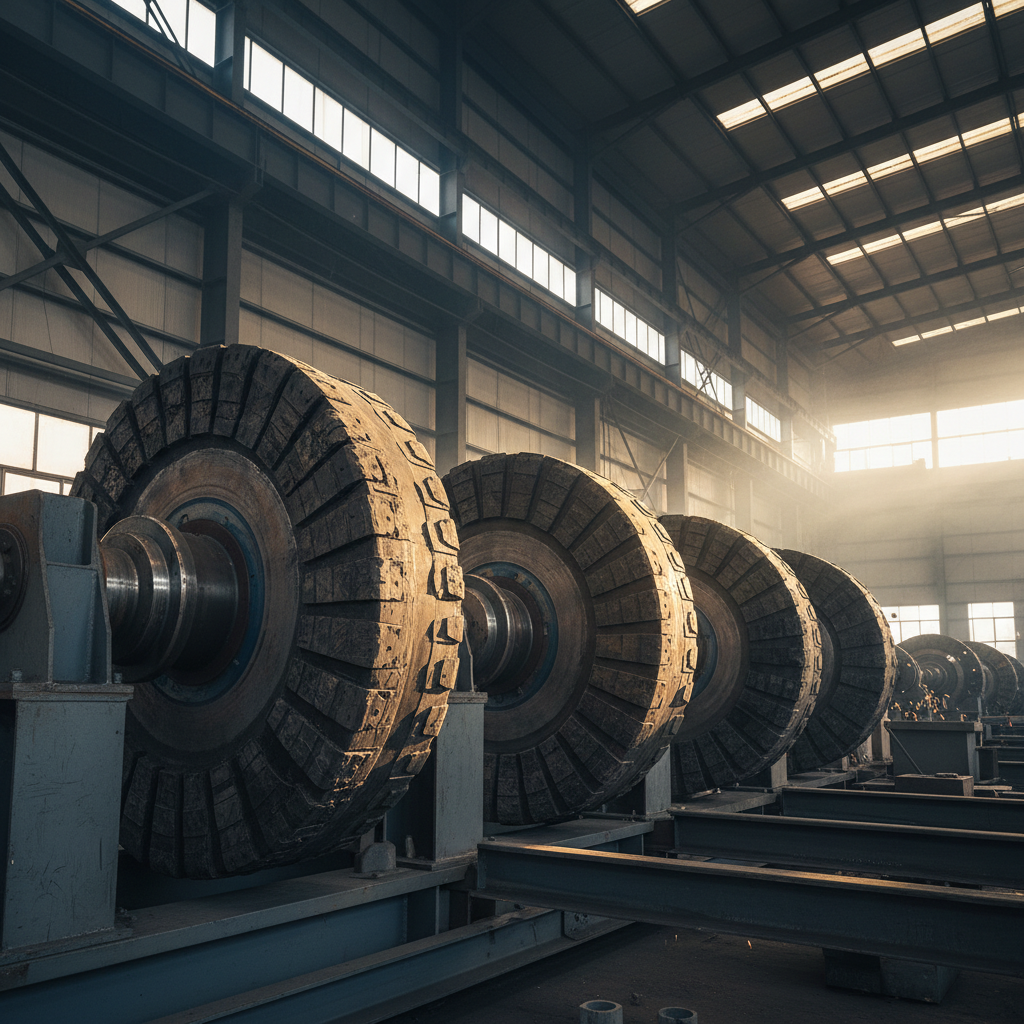
- Ceramic Lagging: Provides superior abrasion and impact resistance, ideal for handling abrasive materials like aggregates and minerals.
- Polyurethane Lagging: Offers high resilience and resistance to oils and chemicals. Suitable for applications involving slippery materials or harsh environments.
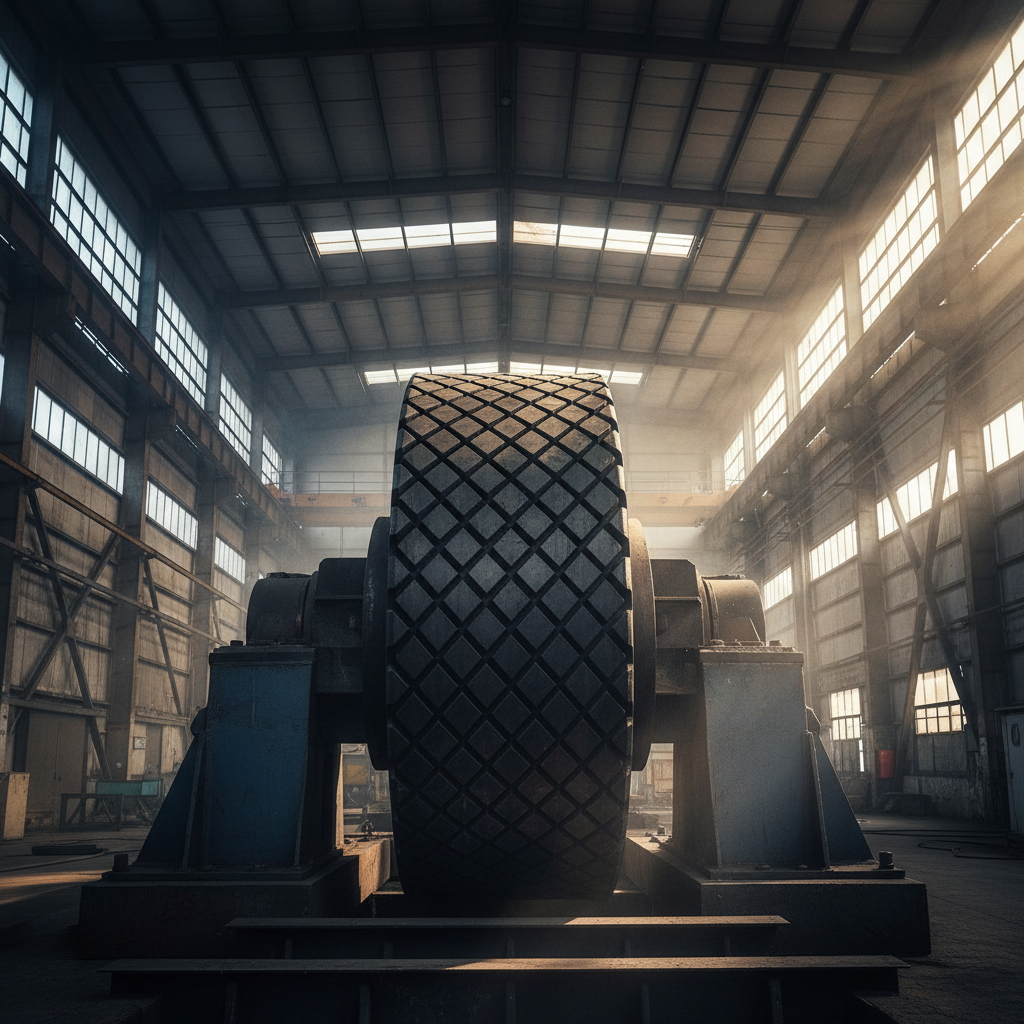
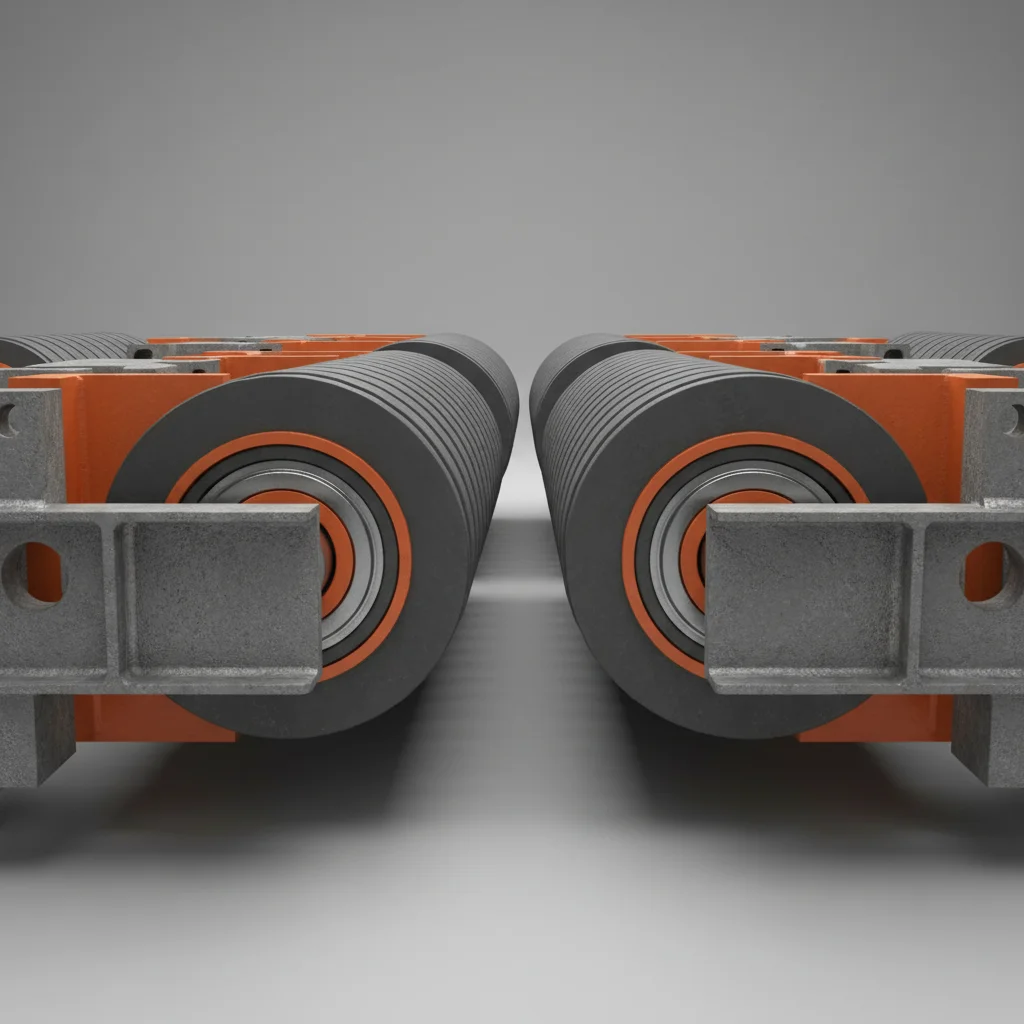
- Diamond Groove Lagging: Features a patterned surface that enhances traction and removes debris, perfect for steep incline conveyors.
Rubber Lagging vs. Ceramic Lagging: A Detailed Comparison
Choosing between rubber and ceramic lagging depends on the specific needs of your application. Rubber lagging is generally more cost-effective and provides good all-around performance. Ceramic lagging, however, excels in highly abrasive environments where extended life and minimal downtime are critical. Here’s a detailed comparison:
| Feature |
Rubber Lagging |
Ceramic Lagging |
| Abrasion Resistance |
Good |
Excellent |
| Cost |
Lower |
Higher |
| Impact Resistance |
Good |
Excellent |
| Application |
General purpose, moderate abrasion |
Highly abrasive materials, high impact |
Factors to Consider When Selecting Lagging Material
Choosing the optimal conveyor pulley lagging material requires careful consideration of several factors:
- Material Handled: Abrasive materials necessitate more robust lagging like ceramic.
- Belt Type: Certain lagging materials work better with specific belt constructions.
- Operating Environment: Temperature, exposure to chemicals, and moisture levels all influence material selection.
- Conveyor Inclination: Steeper inclines require higher friction lagging, such as diamond groove lagging.
- Load Capacity: Heavier loads demand lagging with superior impact resistance.
JT Conveyor: Your Partner for High-Performance Lagging Solutions
At JT Conveyor, we offer a comprehensive range of conveyor pulley lagging materials designed to enhance the efficiency and reliability of your systems. Our experienced team can help you select the optimal lagging material for your specific application, ensuring maximum performance and longevity. We provide expert installation services and ongoing support to keep your conveyors running smoothly. Contact us today to discuss your needs and discover how we can optimize your material handling operations.
Conclusion
Investing in the right conveyor pulley lagging material is a critical step towards maximizing the efficiency and reliability of your material handling systems. By carefully considering the factors outlined in this article and partnering with a trusted supplier like JT Conveyor, you can significantly reduce downtime, lower operating costs, and ensure smooth, consistent operation.
Frequently Asked Questions (FAQs)
What is the typical lifespan of conveyor pulley lagging?
The lifespan of conveyor pulley lagging varies depending on the material type, the abrasiveness of the material being conveyed, the operating conditions, and the quality of the installation. Rubber lagging typically lasts between 2-5 years, while ceramic lagging can last 5-10 years or even longer in less demanding applications. Regular inspections are crucial to identify signs of wear and tear, such as cracking, chunking, or reduced friction, and to replace the lagging before it causes slippage or damage to the belt or pulley.
How is conveyor pulley lagging applied?
Applying conveyor pulley lagging requires specialized equipment and expertise. The process typically involves cleaning and preparing the pulley surface, applying an adhesive primer, and then bonding the lagging material to the pulley using a vulcanizing press or a cold bonding adhesive. Proper surface preparation and adhesive application are critical for ensuring a strong, durable bond that will withstand the stresses of operation. JT Conveyor offers professional lagging application services to ensure a quality installation.
Can conveyor pulley lagging be repaired?
Minor damage to rubber lagging can sometimes be repaired using specialized patching compounds. However, extensive damage or wear typically necessitates complete replacement. Ceramic lagging is generally not repairable and must be replaced if it becomes damaged. Addressing minor damage promptly can prevent it from escalating into more serious problems and extending the overall lifespan of the lagging.
What are the benefits of diamond groove lagging?
Diamond groove lagging is designed to enhance traction and prevent slippage on steep incline conveyors. The grooves create channels that effectively remove debris and water from between the belt and the pulley, maintaining a positive grip. This is particularly beneficial when conveying materials in wet or dusty environments or on conveyors with high inclines. It reduces belt slippage, improves conveying capacity, and minimizes wear on both the belt and pulley.